
You do not need to cook 21 identical containers of chicken and rice every Sunday. To start meal prepping, follow a simple process: choose a few meals for the week, build each around a protein source, carbohydrate, vegetables, and a fat source, then make a shopping list, batch cook your ingredients, portion everything into containers, store in the fridge or freezer, and keep a few easy backups on hand. Meal prepping is important for fitness enthusiasts to support their nutrition goals, but it works just as well for anyone who wants to save time during busy weeks, reduce stress around food, and maintain a healthier diet without living in the kitchen. This guide covers easy meal prep ideas for breakfast, lunch, dinner, and snacks so you can start small and build a system that actually sticks.
What Is Meal Prepping (and How Is It Different From Food Prep)?
Meal prep means preparing full meals or key components in advance so breakfast, lunch, and dinner are ready to eat or reheat within minutes. Meal prepping generally refers to preparing 3 to 7 days worth of food, though many beginners find success starting with fewer days.
It helps to understand the related terms:
Approach |
What It Means |
Best For |
Meal planning |
Deciding what you'll eat this week |
Reducing impulse buys |
Meal prepping |
Cooking and portioning specific meals |
Grab-and-go consistency |
Batch cooking |
Making large quantities of versatile ingredients |
Flexible weeknight meals |
Leftovers |
Repurposing last night's dinner |
Minimal extra effort |
Batch cooking involves making large quantities of versatile ingredients for meal preparation, like a big pot of brown rice or a tray of roasted chicken. Most people blend approaches: some fully prepped meals, some prepped ingredients, and some leftovers, depending on fridge space and schedule.
Examples include roasting chicken and sweet potatoes in bulk, prepping overnight oats, washing and chopping salad greens, or portioning Greek yogurt with berries and granola into single containers.
How to Start Meal Prepping: A Step-by-Step Beginner Workflow
Meal prep is easiest when starting with just 2 to 3 days worth of meals. Here is the beginner formula:
Step |
What to Do |
1 |
Choose meals |
2 |
Build a shopping list |
3 |
Shop |
4 |
Batch cook |
5 |
Portion into containers |
6 |
Store (fridge or freezer) |
7 |
Reheat or assemble |
Look at your real schedule before deciding how many meals to prep. Check for work travel, family dinners, or nights out so you do not over-prep and waste food. Prepping once per week or splitting into two sessions (Sunday and Wednesday) both work.
1. Choose How Many Meals You Actually Need
Start with one "anchor" category. An office worker might prep Monday through Thursday lunches. A student might prep 3 dinners plus grab-and-go breakfasts. A lifter might focus on post-workout meals for training days. Start meal prepping by packing leftovers for lunch if even that feels like enough.
Plan 1 to 2 recipes before starting meal prep, then add more categories once the routine feels manageable. Keeping meals simple helps maintain a sustainable meal prep routine.
2. Choose Simple Meals That Store and Reheat Well
Pick 2 to 4 simple recipes using basic methods: sheet-pan cooking, stir fry, slow cooker, or one-pot meals. Foods that hold up well for 3 to 4 days in the fridge include whole grains like brown rice and quinoa, roasted potatoes, chicken thighs, ground turkey, tofu, cooked beans, and roasted vegetables.
Ingredients that get soggy quickly, like dressed salads or sliced avocado, should be stored separately or added fresh. Stick with familiar ingredients and flavours before attempting five new delicious recipes at once.
3. Build a Smart Grocery Shopping List
A categorized shopping list makes prepping food faster and cuts impulse buys. Check your kitchen inventory before shopping for meal prep to avoid duplicates. Planning your meals before shopping helps avoid impulse buys and food waste, and you will save money on groceries over time.
Protein: chicken breast or thighs, ground turkey, extra-lean ground beef, canned tuna or salmon, eggs, Greek yogurt, cottage cheese, tofu, tempeh, beans, lentils. For convenient backups, consider an ALLMAX protein powder or ready-to-drink shake.
Carbohydrates and whole grains: brown rice, quinoa, oats, whole-grain pasta, sweet potatoes, potatoes, whole-grain wraps, fresh fruit like apples, bananas, and berries.
Vegetables and fruit: bagged lettuce and spinach mixes, frozen broccoli, frozen mixed veggies, bell peppers, cucumbers, fresh fruit, and pre-washed salad greens.
Fats and extras: olive oil, other healthy oils like avocado oil, nuts, seeds, nut butter, hummus, avocado, salsa, soy sauce, spice blends, and low-sugar marinades.
Check your pantry and freezer first to save money and avoid buying duplicates.
How to Build a Balanced Meal for Meal Prep
A simple formula for meal prep is protein plus vegetable plus carb plus sauce. This framework creates healthy meals that are filling and support energy for training and recovery. Meal prepping allows for better control over portion sizes, which you can adjust based on body size, activity level, and goals.
Component |
Examples |
Protein |
Chicken, fish, eggs, Greek yogurt, tofu, beans |
Carbohydrate |
Rice, potatoes, oats, pasta, quinoa |
Produce |
Vegetables, fruit |
Fat |
Olive oil, avocado, nuts, seeds |
Example meals: chicken plus brown rice plus roasted broccoli plus olive oil; salmon plus potatoes plus green beans; tofu stir fry with mixed vegetables and rice; Greek yogurt plus oats plus berries plus nuts.
Easy Meal Prep Ideas for Breakfast, Lunch, Dinner, and Snacks
These easy meal prep ideas use common ingredients with minimal steps. For more high-protein combinations, see our guide to high protein meal prep for busy schedules.
Easy Breakfast Meal Prep Ideas
Overnight oats with oats, Greek yogurt, chia seeds, and berries (lasts 3 to 4 days, no cook required)
Egg muffin cups with vegetables and cheese (freeze well in a freezer bag)
Greek yogurt parfaits where you add toppings like granola and fresh fruit each morning
High-protein smoothie packs: portioned frozen fruit, spinach, and protein powder ready to blend
Whole-grain breakfast burritos with eggs and cooked beans (freeze for busy weeks)
Easy Lunch Meal Prep Ideas
Chicken and rice bowls with roasted vegetables and salsa
Turkey or tofu burrito bowls with beans, rice, and peppers
Whole-grain pasta salad with tuna, chickpeas, and vegetables
Grain bowls with quinoa, roasted vegetables, and hummus
Leftovers from dinner portioned into containers for the next day
Build bowls in layers with sauces stored separately to keep textures fresh over five days. Round out lunch with a piece of fruit or a simple salad.
Easy Dinner Meal Prep Ideas
Sheet-pan chicken and vegetables with potatoes (one recipe, minimal cleanup)
Turkey or beef chili in a big batch (freezes well as soups and stew do)
Salmon with roasted potatoes and asparagus
Stir fry with chicken or tofu, mixed vegetables, and rice
Slow-cooker shredded chicken for tacos, bowls, or sandwiches
Cook double portions at dinner to intentionally create prepped meals for tomorrow's lunch. Add flavour through spice blends, herbs, and sauces so food stays delicious over multiple days.
Easy High-Protein Snack Ideas
Greek yogurt cups with fruit or berries
Cottage cheese with dairy or plant-based toppings
Protein shake with a banana or apples
Veggies with hummus
Hard-boiled eggs (can be stored for 1 week in the fridge)
Homemade trail mix with nuts and dried fruit
Roasted chickpeas or edamame
Prepping snacks reduces reliance on vending machines and last-minute takeout. Snacks are optional tools to help hit daily protein and energy targets, not mandatory mini meals.
How to Meal Prep for Muscle Gain and Training Support
Meal prep does not build muscle on its own. Muscle growth requires progressive resistance training, adequate total calories, sufficient protein, and recovery. What meal prep does is make it easier to consistently eat enough protein, energy, and carbohydrates to support that process.
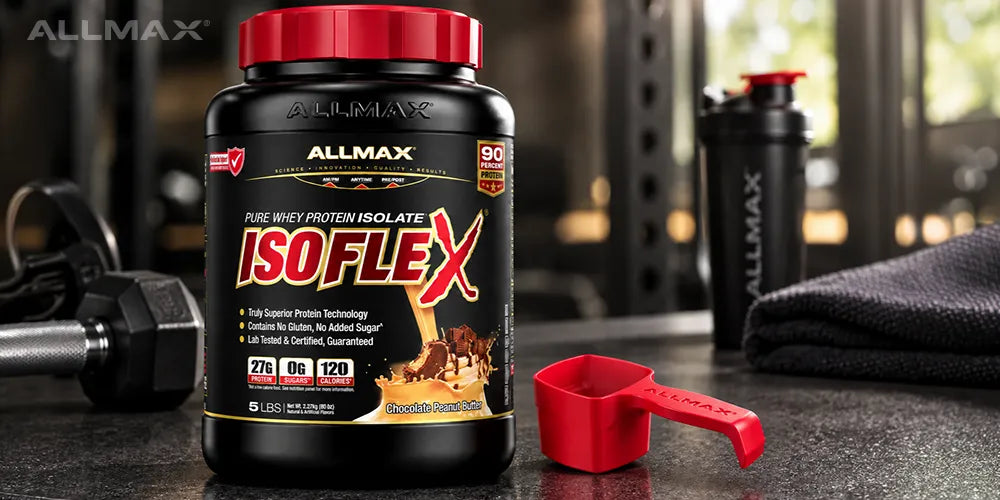
Having high-protein meals ready post-workout, ensuring enough carbohydrates around training, and reducing skipped meals on busy days are practical ways prepping food helps lifters. An ALLMAX Isoflex shake or a dairy-free meal replacement can fill gaps when carrying a full meal is not realistic. Meal prepping encourages healthier eating habits by keeping nutrient-dense options within reach.
How Much Protein Should You Include in Meal Prep?
A systematic review of 49 studies found that approximately 1.6 g of protein per kilogram of body weight per day is sufficient to maximize gains in fat-free mass for resistance-trained adults, with some individuals benefiting from up to around 2.2 g/kg/day. Spreading protein across meals so most contain roughly 20 to 40 g supports muscle protein synthesis without requiring rigid 2-to-4-hour eating windows.
What 25 to 35 g of protein looks like: about 120 to 150 g cooked chicken breast, 2 to 3 whole eggs plus egg whites, three-quarters to 1 cup Greek yogurt, or 1 scoop of whey protein. Build meals around whole foods first, then use protein powder and bars as convenient tools when cooking is not practical.
How Many Meals Should You Meal Prep for the Week?
There is no single right number. It depends on your schedule, fridge space, and how often you prefer eating out versus cooking.
Minimal prep: 2 to 3 lunches, 2 dinners, prepped snacks
Moderate prep: 4 to 5 lunches, 3 to 4 dinners, breakfasts
Full prep: most weekday meals prepared in advance
Start with minimal prep for a week or two, then scale up only if it feels manageable. Prepping fewer meals well is better than over-prepping and throwing food away. Meal prepping reduces food waste significantly when you match prep volume to your actual schedule.
How Long Does Meal Prep Take (and How to Make It Faster)?
Beginners might need 60 to 120 minutes to prep several meals. Using versatile ingredients across multiple meals saves time and effort in meal prepping, and experience cuts that number down. Cook items that take the longest first to optimize time during meal prep: start roasting in the oven, then boil grains, then wash and chop vegetables while everything else cooks.
Batch cooking can save time during busy weeknights. Other strategies: use frozen vegetables, pre-washed greens, microwaveable rice, sheet-pan meals, and a slow cooker or pressure cooker. Even 20 minutes of chopping fruit, boiling eggs, or portioning yogurt counts as useful prep.
Food Storage and Safety: How Long Does Meal Prep Last?
Most meal prep food lasts 3 to 5 days in the fridge when stored properly. Refrigeration guidelines suggest storing food at 40°F (4°C) or lower. Specific timelines based on USDA food safety guidance:
Food |
Fridge |
Freezer |
Cooked whole meats and poultry |
3–4 days |
2–6 months |
Cooked beans and hummus |
Up to 5 days |
2–3 months |
Hard-boiled eggs |
Up to 1 week |
Not recommended |
Soups, stews, chili |
3–4 days |
2–3 months |
Blanched vegetables |
3–4 days |
8–12 months |
Freezing cooked meals |
- |
2–3 months |
Let cooked food cool before sealing containers to prevent condensation and spoilage. Cool food within 2 hours, use shallow containers, and reheat leftovers to at least 74°C (165°F). Label prepped items with dates to track freshness and use a first-in, first-out system. Store raw meat below ready-to-eat foods. Prep meals for 3 to 5 days to maintain freshness, and freeze anything you will not eat within that window.
Best Meal Prep Containers and Gear
Investing in quality storage containers is essential for effective meal prep, but you do not need expensive gear to begin. Use BPA-free containers for food safety across the board.
Glass containers are durable and microwave-safe, ideal for reheating. They are heavier and cost more.
BPA-free plastic containers are lightweight and affordable but may stain over time. Containers should be dishwasher-safe and freezer-friendly.
Use different shapes and sizes of containers: larger ones for batch items like rice or roasted vegetables, single-meal containers for lunches, and small containers for sauces, nuts, or dressings.
Other helpful tools: a sharp chef's knife, sheet pans, a slow cooker or Instant Pot, and an insulated lunch bag with ice packs.
How to Meal Prep Without Eating the Same Thing Every Day
Prep base ingredients and change the final meal with different sauces, seasonings, and formats. Chicken plus rice plus vegetables can become a burrito bowl with salsa, a teriyaki bowl with stir fry vegetables, a salad with chopped chicken and lettuce, or a wrap with a yogurt-based sauce.
Rotate at least two proteins, two to three carbohydrate sources, and 3 to 4 vegetables each week. Freeze half a batch of chili or stew and eat it a week or two later instead of four nights in a row. The whole family can enjoy the same base ingredients prepared in different ways.
Meal Prep for Busy Workdays and On-the-Go Lifestyles
Plan around real constraints: fridge access, microwave access, commute length. Portable options include cold grain bowls, hearty salads with beans or chicken (dressing packed separately), wraps, and room-temperature pasta salads. These are super convenient for offices, gyms, or campus.
Keep a "desk drawer kit" with oats, nuts, canned tuna, and instant rice cups for backup. Prep snacks specifically for long days to avoid relying on convenience stores. An insulated lunch bag with ice packs keeps prepped meals safe for hours.
What If You Don't Have Time to Meal Prep?
Meal prep is a tool, not a test of discipline. If you only have 30 minutes, pack leftovers into containers at night, prep only breakfast or snacks, or assemble overnight oats in 5 minutes.
Use healthy convenience foods: rotisserie chicken, pre-washed salad mixes, frozen vegetables, microwaveable rice, and canned beans. For an easy protein backup, keep a gluten-free protein powder or ready-to-drink shake on hand. Normalize choosing takeout strategically with lean protein, vegetables, and whole grains when cooking is not realistic. Deciding to prep even one meal is better than deciding to prep none.

Common Meal Prep Mistakes (and How to Avoid Them)
Prepping too much food - start small with 2 to 3 days, then scale up
Choosing overly complex recipes - pick meals with under 10 ingredients
Ignoring your real schedule - map meals onto your calendar before shopping
Making every meal identical - prep base ingredients for flexibility
Underestimating snacks - portion them ahead alongside main meals
Ignoring food safety - label, date, and refrigerate promptly
Focusing only on protein - include carbohydrates, fats, fibre, and vegetables
Under-seasoning food - use spice blends, herbs, and sauces so meals stay satisfying
Expecting perfection - allow room for eating out, ordering in, or skipping a day
Does Meal Prep Help With Weight Loss and Body Composition?
Meal prepping can support weight loss by making it easier to plan portions and choose nutrient-dense foods, but it does not automatically cause fat loss. Body composition changes depend on overall energy balance, adequate protein, and long-term habits. Some people find that having prepped meals available reduces unplanned snacking, which may help them stay closer to their preferred calorie range. For goal-specific guidance, working with a registered dietitian is the most reliable approach. You can explore nutrition strategies for building muscle on a budget for more practical ideas.
Should You Eat Every 2–4 Hours or Always Eat Breakfast?
There is no universal requirement to eat every 2 to 4 hours to build muscle or keep your metabolism elevated. Total daily intake of protein, calories, and carbohydrates is generally more important than rigid meal frequency. Distributing protein across 3 to 5 meals can be helpful for some people, but others prefer 2 to 3 larger meals, and both approaches can support muscle and performance when total intake is appropriate.
Breakfast is optional. It can be a convenient way to get protein and energy earlier in the day, but skipping breakfast occasionally does not cause muscle loss. Match meal timing to your hunger, schedule, and training times.
Meal Prep for Different Goals
Adjust portions rather than overhauling your entire food list:
Muscle gain: slightly larger portions of whole grains and starchy vegetables, high protein, adequate carbohydrates around training
Fat loss: appropriate calorie intake, high protein, plenty of fibre from vegetables and fruit, meals that keep you full
Maintenance: balanced meals matching appetite and activity with enough variety for long-term enjoyment
Performance: prioritize carbohydrates and fluids as primary fuels, with pre- and post-training meals or snacks always available
Exact targets should be individualized, ideally with help from a registered dietitian or sports nutrition professional.
Beginner Meal Prep FAQ
How do I start meal prepping if I have never done it before?
Pick one meal category (like weekday lunches), plan 1 to 2 recipes, make a shopping list based on your meal plan, cook in batches, and portion into containers.
What should a beginner meal prep first?
Lunches are the easiest starting point because they solve the midday "what do I eat" problem immediately.
What are some easy meal prep ideas for busy weeks?
Chicken and rice bowls, overnight oats, turkey chili, grain bowls, and Greek yogurt parfaits.
How many meals should I meal prep per week?
Start with 2 to 3 and increase only when the habit feels easy.
How long does meal prep food last in the fridge?
Most cooked meals last 3 to 5 days when refrigerated at 40°F or below.
How long does meal prep usually take?
About 60 to 120 minutes for beginners; less with experience and simpler recipes.
How do I stop getting bored with the same meals?
Prep base ingredients and rotate sauces, seasonings, and formats like bowls, wraps, and salads.
Is frozen food okay for meal prepping?
Absolutely. Frozen vegetables, fruit, and grains are nutritious and save prep time. Freeze cooked meals in a freezer bag for later use.
Can meal prep help with weight loss?
It can make planning portions and food choices easier, but meal prep itself does not cause fat loss.
Do I need to prep all my meals for the entire week at once?
No. Many people prep twice per week or only prep certain meals. Forget the idea that it has to be all or nothing.