

Anna Kasztenny, MSc.
Anna holds a Master’s degree in Bio-Pharmaceutical Science and Business Studies and a Bachelor of Medical Science with an Honors Specialization in Pharmacology. Alongside her academic background, she is a competitive bodybuilder and strength athlete who holds three provincial powerlifting records. As a former competitive gymnast and varsity cheerleader, she is passionate about health, performance, and evidence-based wellness.
A lean bulk is a muscle-building phase built around a controlled calorie surplus, enough protein, and progressive resistance training, designed to maximize muscle growth while minimizing fat gain. Most serious lifters have moved away from aggressive or dirty bulking in favor of this more disciplined approach, and for good reason: research consistently shows that eating far beyond what your body can use for muscle repair simply adds excess fat and makes future cuts longer and harder[1].
This guide covers everything you need to know about how to lean bulk: how many calories to eat, how to structure your bulking diet, which macros matter most, how to train, and how to track your progress using evidence-informed sports nutrition principles.
Quick Answer: How to Lean Bulk (at a Glance)
If you want the short version, here it is:
Start with a modest calorie surplus of roughly 5–10% above maintenance, then adjust based on your rate of weight gain and changes in body composition
Hit a daily protein intake of approximately 1.6–2.2 grams per kg of body weight (about 0.7–1.0 grams of protein per pound)
Prioritize carbohydrates around training to fuel performance and recovery
Train with progressive overload, hitting each muscle group at least twice per week
Sleep 7–9 hours per night: inadequate sleep can impede muscle growth and promote fat storage
Track your weekly average body weight and adjust calories based on trends, not day-to-day swings
Quick example: An 80 kg lifter with a maintenance intake around 2,600 kcal would start a lean bulk at roughly 2,800–3,000 kcal daily, aiming for a gradual rate of weight gain, with the lower end generally more appropriate for experienced lifters. Some fat gain is normal. The goal is to improve body composition by gaining mostly lean muscle rather than packing on excess fat.

What Is a Lean Bulk?
Lean bulking is a controlled muscle-building phase that uses a modest caloric surplus to build lean muscle mass while limiting unnecessary fat gain. Dietary discipline is higher in lean bulking than in traditional bulking: you track your food intake, monitor your weight trends, and make deliberate adjustments instead of eating whatever is available.
Here is how it compares to other approaches:
Lean bulk: Small surplus (5–15%), controlled food intake, targeted rate of gain, focus on body composition
Traditional bulk: Larger calorie surplus, faster weight gain, more fat gain accepted in exchange for potential speed
Dirty bulk: Unlimited or poorly tracked calories, frequent junk food, high risk of excess fat accumulation
Maintenance: Calories at equilibrium, body weight roughly stable
Cutting: Calorie deficit to reduce body fat while preserving lean mass
A calorie deficit can limit muscle growth, particularly in more advanced lifters, although beginners and some trained individuals may still gain muscle while losing or maintaining body weight. Instead, a calorie surplus provides the extra energy your body needs for tissue growth. Even on a well-managed clean bulk, some fat gain usually occurs - that is physiologically normal. The goal is improving overall body composition over months, not maintaining lean conditioning year-round. Lean bulking can prevent excess fat gain while still building muscle, which is why most lifters who value both strength and aesthetics prefer this approach.
How Does a Lean Bulk Work? (Energy, Muscle, and Recovery)
Muscle growth requires three things working together: a resistance training stimulus that triggers adaptation, sufficient protein to provide the building blocks for muscle protein synthesis, and extra energy from a sustained calorie surplus to fuel the process.
Here is how each piece fits:
A modest caloric surplus can provide additional energy to support training, recovery, and the demands of gaining lean mass
Resistance training creates the mechanical tension that signals your muscles to grow
Protein delivers essential amino acids, especially leucine, that drive muscle protein synthesis
Carbohydrates replenish glycogen and fuel high-quality training sessions
Dietary fat supports hormonal function (including testosterone), overall health, and vitamin absorption
Maintaining a small caloric surplus helps the body use extra energy for muscle repair rather than storing it as fat
A critical point: more calories do not equal proportionally more muscle. Beyond a modest surplus, the additional energy is mostly directed toward fat storage. In a surplus, both muscle and fat tissue can grow simultaneously, but smart programming combined with adequate protein shifts the ratio toward more lean mass and less unwanted body fat.
How Many Calories Should You Eat for a Lean Bulk?
Start by estimating your maintenance calories. You can use a TDEE calculator as a starting point, or track your actual calorie intake and body weight for 1–2 weeks to find the intake where your weight stays stable. Then add a modest calorie surplus.
Lean bulking aims for a smaller calorie surplus of 5–10% above maintenance for most lifters. Broader off-season recommendations from sports nutrition research suggest a 10–20% surplus may be appropriate depending on training status, with beginners at the higher end and experienced lifters closer to the lower end [2].
Practical example: A 75 kg male training four times per week with a maintenance intake of roughly 2,500 kcal might set his lean bulk target at 2,700–2,900 kcal. He would then track his weekly average weight for 2–3 weeks and adjust bulking calories by about 100–200 kcal based on actual weight gain trends.
Key nuances:
Beginners may tolerate a slightly higher surplus because their muscle-gain potential is highest early on
Advanced lifters closer to their genetic ceiling usually benefit from a smaller surplus to avoid excess fat
The old advice to "add 500 calories every week" is outdated for lean bulking goals-calorie intake should be individualized
Appetite, training volume, daily step count, and job activity all alter real-world caloric needs, so track your calories to maintain a precise daily surplus and adjust continuously
How Fast Should You Gain Weight During a Lean Bulk?
Rate of weight gain is one of the most important levers for controlling fat gain. Aim for gradual weight gain, with approximately 0.25–0.5% of body weight per week as a practical upper range for many lifters. More advanced lifters may benefit from a slower rate. A good target for weight gain is about 0.5% to 1% of body weight per month.
Evidence-aligned ranges by training status:
Beginners (0–2 years): Beginners can generally tolerate a faster rate of weight gain than advanced lifters, although there is no need to deliberately maximize scale weight. For example, a 70 kg novice might gain 0.4–0.8 kg per week, much of it lean muscle initially
Intermediates (2–4 years): About 0.25–0.5% per week
Advanced (4+ years): Sometimes as low as 0.1–0.25% per week
Track your weight gain at 0.25–0.5% of body weight weekly as a practical guideline. Faster scale movement increasingly favors fat gain, even when training and protein are solid.
How to track: Weigh yourself daily under similar conditions (morning, after using the bathroom, before eating), average the week, and compare week-to-week. Track progress over time, not daily fluctuations. Common causes of short-term spikes include water retention, glycogen loading, sodium intake, menstrual cycle variations, and bowel content.
If weight gain is below target for 2–3 weeks, increase calorie intake by 100–200 calories. If it is climbing too fast and body fat gain feels excessive, decrease by a similar amount. Regular weigh-ins help adjust dietary intake effectively.
Building Your Bulking Diet: Macros and Nutrient Priorities
This section gives you a practical macro framework for your lean bulk diet rather than a rigid meal plan. The ratio of macronutrients should focus on protein, complex carbohydrates, and healthy fats.
Protein: Aim for approximately 1.6–2.2 grams per kg of body weight per day-about 0.8 to 1.0 grams per pound of body weight [3]. Consume 0.7–1 gram of protein per pound to support muscle growth and recovery. Aim to distribute protein across several meals throughout the day rather than concentrating most of your intake in a single meal.
Carbohydrates: Most remaining calories should come from carbs, often around 40–60% of total energy intake. Starchy carbs like rice, oats, potatoes, and pasta fuel resistance training, maintain glycogen stores, and are the primary source of extra energy in your caloric surplus. Aim for at least 3–5 g/kg/day of carbohydrates for muscle growth and training performance.
Fats: Target roughly 20–35% of total calories, with at least 0.5 g/kg body weight. Focus on unsaturated sources, such as olive oil, avocado, nuts, fatty fish, while keeping saturated fats moderated, not eliminated. Healthy fats support hormonal function, blood lipids, and overall health. Avoid chronically very low fat intakes; dietary fat supports essential fatty acid intake, fat-soluble vitamin absorption, and overall health.
Rigid "perfect bulking macros" matter less than consistently meeting your protein intake targets, achieving a modest surplus, and choosing mostly nutrient-dense whole foods. Fiber, vitamins, and minerals still matter: include fruits, vegetables, and whole grains daily to support digestion, blood flow, and muscle recovery.
Lean Bulk Foods: Practical Food Choices and Meal Ideas
Rather than prescribing a strict meal plan, here are food categories to build your own lean bulk diet around your preferences. A clean bulk emphasizes whole, unprocessed foods as the foundation.
Protein sources: Chicken breast, turkey, lean beef, extra-lean ground meat, salmon and other fatty fish, eggs, Greek yogurt, cottage cheese, tofu, tempeh, lentils, and whey protein powders. Products like ALLMAX Isoflex Whey Protein Isolate are convenient options for hitting protein intake targets when whole food meals are not practical.
Carbohydrate sources: White and brown rice, oats, quinoa, pasta, potatoes and sweet potatoes, whole-grain breads, fruits (bananas, berries, apples), and carbohydrate-rich vegetables like corn and peas.
Healthy fat sources: Olive oil, avocado, almonds, walnuts, peanut butter and other nut butters, flax and chia seeds, and fatty fish. These calorie-dense foods help you add calories without resorting to dirty bulking.
Calorie-dense snack ideas for hard gainers: Smoothies with oats, banana, peanut butter, and whey protein; Greek yogurt with granola and berries; trail mix with nuts and dried fruit-all tracked to maintain a modest calorie surplus.
A lean bulk diet can include favorite cultural foods-stir-fries, tacos, curries-when portions and overall caloric intake are controlled. For more ideas, check out this 12-Day Bulking Meal Plan for Muscle Gains.
Can You Eat Junk Food While Lean Bulking?
Bulking is not an excuse to eat everything in sight. A diet built primarily around minimally processed, nutrient-dense foods can make it easier to meet protein, fiber, vitamin, and mineral needs while controlling calorie intake
Calorie-dense "fun" foods, such as burgers, pizza, desserts, can fit in limited amounts if your total calories, protein, fiber, and micronutrient needs are still met. A cheat meal here and there will not derail your progress if the rest of your diet plan is on point. However, ultra-processed foods often combine fats, sugar, and refined flour, making it very easy to exceed your planned calorie intake and accumulate excess fat.
Diet quality influences digestion, energy levels, blood sugar stability, training performance, and long-term health-not just body composition [4]. Dirty bulking can lead to high cholesterol and elevated blood sugar levels over time [5].
A practical guideline: get roughly 80–90% of daily calories from whole or minimally processed foods and leave 10–20% for flexible choices. Lean bulking success is built on long-term consistency and controlled calorie intake, not perfection at every single meal.
How to Train During a Lean Bulk
A successful lean bulk depends on coupling your caloric surplus with intelligent resistance training. Eating more calories without a proper training plan mostly drives fat gain, not muscle building.
Key training principles:
Focus on strength training 3–6 days per week depending on experience level
Prioritize progressive overload: systematically add more weight, reps, or sets over time
Train each major muscle group regularly, with training frequency and weekly volume adjusted to your experience, recovery, and goals
Accumulate sufficient weekly volume: around 10 or more weekly sets can be a useful starting point for hypertrophy, but individual needs vary
Include both compound lifts (squats, deadlifts, bench press, overhead press, rows, pull-ups) and isolation accessories-but do not claim that compounds trigger magical hormone surges
Use 6–12 rep sets for most muscle-building exercises, though the 5–30 rep range can all drive hypertrophy when sets are taken close to muscular failure
Leave roughly 1–3 reps in reserve on most working sets for sustainable, long-term progress
A lean bulk is not the time to drastically slash volume just to lift heavier singles. Combine moderate to high volume with progressive overload and solid technique.
Aerobic exercise like moderate cardio can aid recovery and expand calorie budgets during a lean bulk. A brisk daily step count of 7,000 to 10,000 helps manage body composition without compromising your gains. Light to moderate cardio supports cardiovascular health and can coexist with gaining weight, as long as it does not create a large calorie deficit or compromise muscle recovery.
Tracking Progress and Adjusting Your Lean Bulk
Continuous monitoring is important in a lean bulk to adjust caloric intake based on weight trends. Use a simple framework:
Track weekly average body weight (daily weigh-ins averaged over 7 days)
Log key strength lifts to confirm progressive overload is happening
Take basic body measurements (waist, chest, arms, thighs) every 4–6 weeks
Capture progress photos monthly under consistent lighting
Interpreting trends: If your average weekly weight is stable for 2–3 weeks and strength is stagnating, your surplus may be too small. Increase calorie intake by 100–200 calories if weight stalls. If weight is climbing rapidly, the surplus may be too large.
Adjust calories in small steps (about 100–150 kcal) and wait 1–2 weeks before making further changes. Do not react to single-day fluctuations caused by hydration, glycogen, sodium, or food volume.
Subjective markers matter too: energy levels, pump quality, soreness, and recovery. If you consistently feel run-down, you may need more energy, better sleep, or reduced training volume. Occasionally using DEXA scans or reliable body-composition assessments every 8–12 weeks can help evaluate lean mass versus fat gain, but they are not mandatory.
On the psychological side: accept that some fat gain is part of gaining weight during a bulk. Avoid scale obsession. Focus on long-term body composition trends to keep your lean bulk sustainable.
How Long Should a Lean Bulk Last?
Lean bulking is a medium- to long-term phase, typically lasting 3–6 months or more depending on your starting body composition, training status, and goals.
Individuals starting relatively lean (men around 10–15% body fat percentage, women around 18–25%) can often lean bulk longer before considering a cut
Those already higher in body fat may choose shorter bulks or a mild recomposition approach to avoid looking skinny fat or accumulating more unwanted weight
If waist circumference or body fat estimate climbs faster than expected while strength gains slow, it may be time to reduce your surplus or hold at maintenance intake
A common strategy: cycle between lean bulk blocks and short maintenance or mini-cut periods (4–6 weeks) to keep body composition in a comfortable range. Remember that muscle growth is relatively slow, especially after the first year of lifting weights, so expect meaningful changes over months and years, not days.
Lean Bulk vs Dirty Bulk: What's the Difference?
Factor |
Lean Bulk |
Dirty Bulk |
Calorie surplus |
5–15% above maintenance (~200–500 kcal) |
Often 500–1,000+ kcal above maintenance |
Food quality |
Mostly whole foods, balanced meals |
Frequently includes large amounts of junk food |
Rate of gain |
~0.25–0.5% body weight per week |
Often 1%+ per week |
Muscle gain |
Optimized relative to fat gain |
Similar muscle, disproportionately more fat |
Fat gain |
Moderate, controlled |
High, often significant |
Sustainability |
High—shorter future cuts |
Low—requires aggressive weight loss later |
Health markers |
More favorable blood lipids, blood sugar |
Potentially worse cardiovascular and metabolic markers |
Traditional bulking uses a larger caloric surplus compared to lean bulking. Clean bulking uses a 10–20% calorie surplus and aims for 0.25–0.5% body weight gain weekly, while dirty bulking typically exceeds a 500 calorie surplus and often produces rapid weight gain that is largely body fat.
Research shows that increasing surplus above moderate levels yields diminishing returns in lean mass and disproportionately more fat gain [1]. For most lifters who care about long-term physique and health, lean bulking is the recommended default strategy. A more aggressive bulk might be chosen briefly by athletes with specific timelines, but it comes at a cost.
For a deeper comparison, read Bulking vs Cutting: Essential Supplements for Muscle Gain and Fat Loss.
Common Lean Bulking Mistakes to Avoid
Nutrition mistakes:
Eating far beyond a modest calorie surplus, turning a lean bulk into a dirty bulk
Neglecting protein intake or not eating enough protein consistently
Relying heavily on ultra-processed foods instead of nutrient-dense options
Ignoring fruits, vegetables, and fiber
Training mistakes:
Chasing novelty instead of progressive overload
Drastically increasing volume without adequate recovery
Doing excessive cardio that undermines the surplus
Avoiding heavy compound movements entirely
Monitoring mistakes:
Not tracking body weight trends or food intake at all
Changing calories every few days instead of waiting for trends
Obsessing over daily weight fluctuations instead of weekly averages
Mindset mistakes:
Expecting unrealistic muscle gain rates (5–10 lbs of pure lean muscle per month is not happening naturally)
Treating bulking as an excuse to abandon healthy eating
Panicking at minor fat gain and cutting the bulk too early, losing potential muscle mass in the process
Fix these by sticking to a modest surplus, tracking simple metrics, reviewing progress monthly, and adjusting calmly rather than reacting impulsively.
Are Supplements Useful During a Lean Bulk?
Bulking supplements can support a lean bulk but cannot replace a solid bulking diet, training program, and sleep routine.
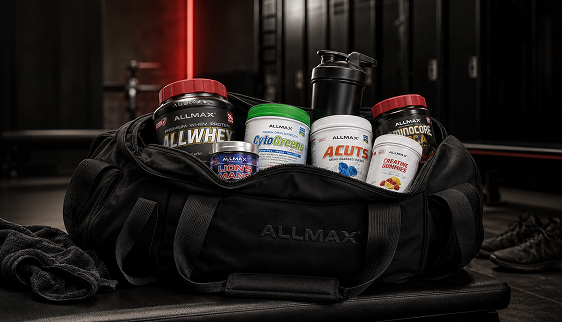
Protein powder: Whey or whey isolate, such as ALLMAX IsoNatural Pure Whey Protein Isolate, is a convenient tool to hit daily protein intake targets, especially post-workout or when appetite is low. For a deeper look at why whey matters, read Protein for Gaining Muscle Mass: How Much You Need.
Creatine monohydrate: Strong evidence supports creatine for increased strength and lean mass over weeks and months. A simple protocol of 3–5 g daily requires no mandatory loading phase. ALLMAX Creatine Monohydrate Powder is a pure, lab-tested option.
Pre-workout formulas: Caffeine and other evidence-based ingredients can enhance training performance and volume, which indirectly supports more muscle. Impact Igniter Xtreme is one example for lifters who want more energy and blood flow during sessions.
Other aids: Greens powder, fiber supplements, and digestive enzymes may help lifters who struggle to eat enough whole foods or experience GI issues on higher-calorie diets.
No supplement guarantees muscle gain without a caloric surplus and progressive resistance training. They are tools, not magic solutions.
FAQs About Lean Bulking
What is a lean bulk?
A lean bulk is a controlled muscle-building phase where you eat in a modest calorie surplus to gain muscle while minimizing fat gain. It prioritizes diet quality, adequate protein, and progressive resistance training.
How many calories should I eat for a lean bulk?
Start with a calorie surplus of about 5–15% above your maintenance calories-typically 200–500 extra calories per day. Track your weight trends and adjust. A clean bulk typically involves a 350–500 calorie surplus daily.
How much protein do I need on a lean bulk?
Sports medicine and nutrition research recommends about 1.6–2.2 g/kg body weight daily, which translates to roughly 0.7–1 gram per pound. This protein intake supports muscle protein synthesis and muscle recovery during resistance trained individuals' bulking phases.
What foods are best for a lean bulk?
Prioritize whole foods: lean meats, eggs, dairy, legumes, rice, potatoes, oats, fruits, vegetables, olive oil, nut butters, and fatty fish. For more ideas, see Muscle Building Foods for Effective Growth.
How fast should I gain weight while lean bulking?
Aim for a weight gain of 0.25–0.5% of body weight weekly. Beginners can push toward the higher end. Faster gaining weight typically means more fat gain.
Can you gain muscle without gaining fat?
In most cases, some fat gain accompanies muscle gain during a surplus. However, beginners and those returning from a break can sometimes achieve body recomposition-gaining more muscle while losing weight or maintaining body fat-especially with high protein and consistent training.
What's the difference between a lean bulk and a dirty bulk?
A lean bulk uses a controlled surplus, whole foods, and careful monitoring. A dirty bulk relies on a larger calorie surplus with less attention to food quality, producing faster weight gain but significantly more excess fat. Lean bulking focuses on minimizing fat gain while building muscle.
Can beginners start with a lean bulk?
Absolutely. Beginners have the highest potential for rapid muscle gain and can often gain more muscle with a slightly larger surplus without excessive fat gain.
Is it possible to lean bulk without counting calories?
It is possible but harder. Tracking calories helps maintain a precise surplus. Without tracking, use portion control, consistent meals, and weekly weigh-ins to gauge whether you need to add calories or pull back.
Do I need supplements for a lean bulk?
No. Supplements like protein powder and creatine monohydrate are convenient and well-supported by evidence from health sciences research, but they are optional. Whole foods, a proper surplus, progressive training, and sleep are the foundations. Explore Best Supplements for Muscle Growth for a science-backed overview.
Bottom Line: How to Run a Successful Lean Bulk
Maintain a modest, consistent caloric surplus-more calories beyond a moderate level mostly become fat, not more muscle
Hit your protein intake every day: 1.6–2.2 g/kg body weight
Build your bulking diet around nutrient-dense whole foods, with room for flexible choices
Follow a structured resistance training program with progressive overload and sufficient volume
Prioritize sleep, recovery, and daily movement to support muscle growth and manage body composition
Use weekly average body weight, strength PRs, and measurements to guide adjustments-not guesswork or daily scale panic
Think in months, not days. Use data to guide your bulking diet adjustments. If you want support with protein, creatine, or training performance during your lean bulk, explore ALLMAX Nutrition's educational resources and evidence-based supplements.
Sustainable, informed progress always beats extreme approaches. Build the muscle. Control the surplus. Trust the process.
References:
Helms ER, Spence AJ, Sousa C, Kreiger J, Taylor S, Oranchuk DJ, Dieter BP, Watkins CM. Effect of Small and Large Energy Surpluses on Strength, Muscle, and Skinfold Thickness in Resistance-Trained Individuals: A Parallel Groups Design. Sports Med Open. 2023 Nov 2;9(1):102. https://pubmed.ncbi.nlm.nih.gov/37914977/
Iraki J, Fitschen P, Espinar S, Helms E. Nutrition Recommendations for Bodybuilders in the Off-Season: A Narrative Review. Sports (Basel). 2019 Jun 26;7(7):154. https://pmc.ncbi.nlm.nih.gov/articles/PMC6680710/
Jäger R, et al. International Society of Sports Nutrition Position Stand: protein and exercise. J Int Soc Sports Nutr. 2017 Jun 20;14:20. https://pmc.ncbi.nlm.nih.gov/articles/PMC5477153/
Chiavaroli L, Viguiliouk E, Nishi SK, Blanco Mejia S, Rahelić D, Kahleová H, Salas-Salvadó J, Kendall CW, Sievenpiper JL. DASH Dietary Pattern and Cardiometabolic Outcomes: An Umbrella Review of Systematic Reviews and Meta-Analyses. Nutrients. 2019 Feb 5;11(2):338. https://pubmed.ncbi.nlm.nih.gov/30764511/
Vitale M, Costabile G, Testa R, D'Abbronzo G, Nettore IC, Macchia PE, Giacco R. Ultra-Processed Foods and Human Health: A Systematic Review and Meta-Analysis of Prospective Cohort Studies. Adv Nutr. 2024 Jan;15(1):100121. https://pubmed.ncbi.nlm.nih.gov/38245358/