

Anna Kasztenny, MSc.
Anna holds a Master’s degree in Bio-Pharmaceutical Science and Business Studies and a Bachelor of Medical Science with an Honors Specialization in Pharmacology. Alongside her academic background, she is a competitive bodybuilder and strength athlete who holds three provincial powerlifting records. As a former competitive gymnast and varsity cheerleader, she is passionate about health, performance, and evidence-based wellness.
Introduction: Why Amino Spiking Matters for Your Protein Shake
Protein powders and amino acid supplements have exploded in popularity over the past decade, and with rising global demand comes a less welcome trend: amino spiking. Also called protein spiking or nitrogen spiking, this practice involves using cheap amino acids or other nitrogen-containing ingredients to inflate the protein number on a label without actually delivering the complete protein your muscles need.
Here is the critical distinction most articles miss: not every product containing added amino acids is amino spiked. Legitimate EAA supplements, BCAA formulas, and pre-workouts with beta alanine or taurine use those ingredients as the active feature, not as a way to cut costs on protein content.
This article will walk you through exactly what amino spiking is, how testing methods create the loophole, how to spot amino spiking on a nutrition label using a practical checklist, and how to tell the difference between a complete protein supplement and a dedicated amino formula. We will also show how ALLMAX Nutrition builds its product line to avoid these issues entirely.

What Is Amino Spiking (Protein or Nitrogen Spiking)?
Amino spiking is the practice of adding inexpensive free form amino acids or other nitrogenous compounds to a protein powder so that standard lab tests overestimate the product's true protein content. Amino spiking inflates protein content using cheap amino acids, and the result is a label that looks impressive while underdelivering on the protein that actually matters for muscle building.
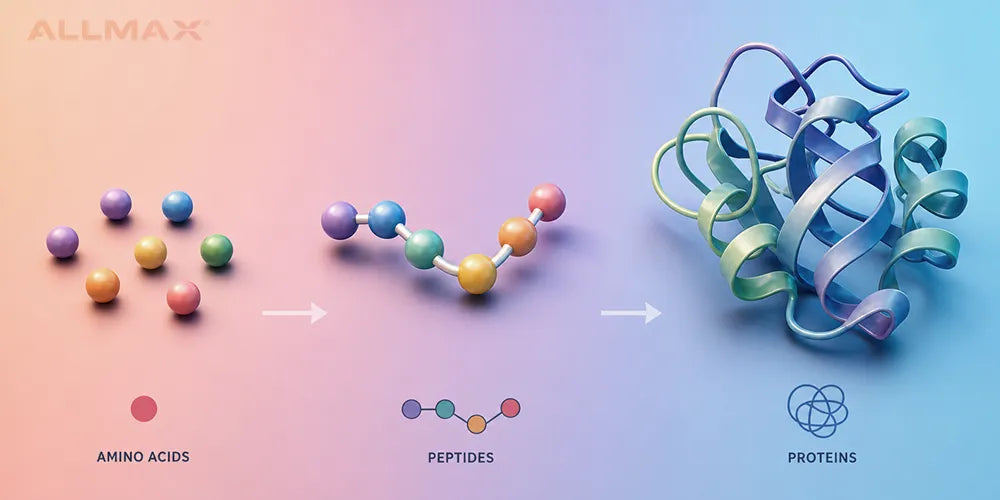
The loophole exists because testing methods often measure nitrogen, not protein quality. The two most common laboratory assays, the Kjeldahl method and the Dumas method, work by measuring total nitrogen in a sample and then multiplying by a conversion factor (usually 6.25) to estimate grams of protein1. These tests assume that nearly all nitrogen content comes from intact protein. When supplement manufacturers add amino acids like glycine, taurine, alanine, or arginine, the nitrogen levels climb and the calculated protein number rises, even though the amino acid balance for muscle growth is inferior.
Common amino acids used for spiking include glycine and taurine. Glycine is a particular favorite because it contains roughly 18.7% nitrogen by mass, significantly higher than most intact protein sources. Non protein amino acids and other nitrogen-based ingredients like creatine have also been implicated historically; while these may have performance benefits on their own, they are not complete proteins and should not be counted as such.
Between roughly 2012 and 2016, multiple class action lawsuits in the United States exposed several supplement companies for this exact practice, alleging products claimed a certain amount of whey protein per serving when up to 30% of the declared protein came from non-whey nitrogenous additives2. Protein spiking undermines the effectiveness of protein supplements and amounts to misleading consumers about actual protein quality.
When a protein product relies on added nitrogen-containing ingredients to support a protein claim without clearly representing the formula, consumers may receive less intact, complete protein than they expect. Someone expecting 25 g of high quality protein per serving may only receive 16–18 g of usable, complete protein, with the rest coming from cheap fillers that compromise muscle building and recovery.
Transparent, High-Quality Protein and Amino Formulas from ALLMAX Nutrition
Understanding the theory is useful, but seeing it applied to real products makes it practical. Here is how ALLMAX Nutrition structures its lineup to keep complete proteins and amino formulas clearly separated.
Premium Whey Protein Powders
ALLMAX Isoflex Whey Protein Isolate delivers a high protein percentage per scoop from whey protein isolate with minimal fat and lactose. For a detailed comparison of how Isoflex stacks up against standard whey, see our breakdown of Isoflex vs regular whey for muscle recovery.
Classic AllWhey combines whey protein concentrate and whey isolate in a transparent protein blend for everyday muscle building protein needs.
Gold AllWhey offers a premium whey protein blend designed for daily muscle recovery.
In each case, the protein sources are clearly listed, amino acids are naturally occurring from the whey, and nothing is added to manipulate nitrogen-based tests. Reputable brands voluntarily send products for third-party testing to verify label accuracy.
Whole Food Protein Blend
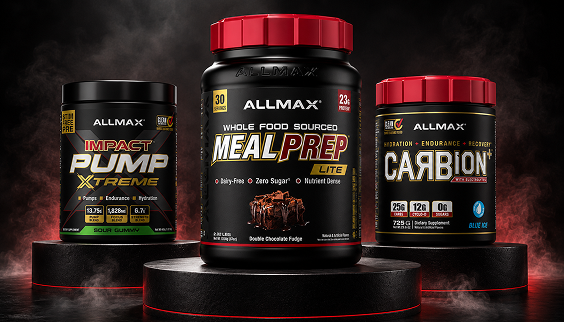
ALLMAX MealPrep Lite is a multi-source whole-food protein blend using complete proteins to build a balanced amino acid profile suitable for meal replacement. Whole food sources can meet protein needs effectively, and this product bridges the gap between a shake and a real meal without relying on empty calories from fillers like high fructose corn syrup or corn syrup solids.
Dedicated EAA Supplement
MusclEAA Xtreme is built around all essential amino acids, formulated for recovery, performance, and muscle protein synthesis. It is clearly marketed as an EAA supplement, not a protein powder. This is high quality protein supplements done right: complete proteins where you need protein, pure amino formulas where you need targeted amino support.
When Should You Choose an EAA Supplement Instead of More Protein Powder?
For overall daily intake, high quality protein powder or whole foods should provide the bulk of your grams of protein. But there are situations where an EAA supplement is strategically superior:
Fasted training: You want to support muscle protein synthesis without the digestion time of a full shake.
Intra-workout: Long sessions benefit from rapid amino delivery to help build muscle and reduce breakdown.
Aggressive cutting: When calorie budgets are tight, free amino acids provide anabolic signaling with minimal caloric load, avoiding the empty calories of larger shakes.
Digestive comfort: Some athletes cannot tolerate a full protein shake before intense exercise but still want anabolic support.
An EAA supplement like MusclEAA Xtreme provides all nine essential amino acids in free form for rapid absorption and can include hydration-supporting electrolytes. This is very different from amino spiking: the product label does not count these grams as dietary protein, and the marketing is transparent about the role of EAAs vs complete proteins in your fitness journey.
Think of EAAs as a precision tool to top up the anabolic signal around workouts, especially when you already consume adequate total protein from high quality sources.
Frequently Asked Questions About Amino Spiking and Protein Quality
Is amino spiking legal?
Current regulations under FDA guidance allow protein declarations based on total nitrogen, which creates a loophole for marketing to mislead consumers about the amount or quality of intact protein provided. Some practices fall into grey areas, but deceptive labeling has triggered legal action in the past. The supplement industry has seen multiple lawsuits against brands for misleading consumers, and reputable brands avoid the practice entirely.
How can I tell if my protein is amino spiked?
Look for added glycine and taurine or other individual amino acids high in the ingredient list, proprietary blends, a missing amino acid profile, and suspiciously low pricing compared to similar protein products. Amino spiking can lead to inadequate essential amino acid intake, so these checks protect both your wallet and your results.
Are added amino acids always bad?
Not at all. Adding EAAs, BCAAs, or beta alanine for performance is legitimate when the label does not count them as full dietary protein. The issue is when supplement companies misrepresent additional amino acids as complete protein grams to inflate the protein on a supplement label.
Can collagen replace whey for muscle building?
Collagen is an incomplete protein lacking sufficient EAAs, particularly tryptophan. It can support joint and skin health, but it is not ideal as a primary muscle building protein. If you need a protein supplement to support muscle growth, whey protein or a well-designed protein blend is a far better choice.
Do EAAs count as protein?
EAAs contribute nitrogen and can stimulate muscle protein synthesis, but on a nutrition label they are typically not counted as protein grams in the same way as whole protein from food sources. They should complement, not replace, daily protein intake.
Is whey isolate a complete protein?
Yes. Whey isolate, whey concentrate, and quality whey blends are complete protein supplements with a full spectrum of essential amino acids and strong leucine content, making them excellent choices for muscle growth and recovery.
Conclusion: Use Labels to Protect Your Gains, Not Fear Amino Acids
Amino spiking is about misusing cheap amino acids or nitrogen sources to inflate label protein numbers. It is not about whether amino acids themselves are "good or bad." The central question when you evaluate any protein supplement should always be: is this product delivering complete protein for its intended purpose, or is it relying on added amino acids to look better on paper?
When you need actual protein to hit your daily targets and build muscle, favor complete protein supplements with clear protein sources, published amino acid profiles, and third-party testing. When you specifically want targeted amino support around training, choose clearly labeled EAA or BCAA products designed for exactly that purpose.
Brands like ALLMAX Nutrition separate these categories deliberately: transparent labels, complete proteins from premium whey sources, whole-food protein blends, and purpose-built EAA supplements so you can match the right tool to your training goals.
Take five minutes today to review your current protein powder using the checklist in this article. If anything raises a red flag, it may be time to upgrade to high quality protein supplements that genuinely support your muscle building, recovery, and long-term performance.
References
https://qalitex.com/blog/protein-powder-nitrogen-spiking-label-accuracy-testing/
https://law.justia.com/cases/federal/district-courts/illinois/ilndce/1:2015cv11459/319617/49/
Hertzler SR, Lieblein-Boff JC, Weiler M, Allgeier C. Plant Proteins: Assessing Their Nutritional Quality and Effects on Health and Physical Function. Nutrients. 2020 Nov 30;12(12):3704.
Churchward-Venne TA, Burd NA, Mitchell CJ, West DW, Philp A, Marcotte GR, Baker SK, Baar K, Phillips SM. Supplementation of a suboptimal protein dose with leucine or essential amino acids: effects on myofibrillar protein synthesis at rest and following resistance exercise in men. J Physiol. 2012 Jun 1;590(11):2751-65.