

Author: Dr. Trevor Kouritzin
Dr. Trevor Kouritzin holds a Doctorate in Medicine, a Master’s degree in Human Nutrition, and a Bachelor’s degree in Chemical Engineering. During his academic career, Trevor actively pursued competitive bodybuilding, ultimately earning a pro card, while also participating in various team sports. He is deeply passionate about the clinical and therapeutic applications of dietary supplements for enhancing health, performance, and overall quality of life.
Introduction: How to Increase Testosterone Naturally
If you've been dealing with persistent fatigue, a shrinking sex drive, stubborn weight gain around the midsection, or declining muscle strength, you're not alone. Thousands of active men search for how to increase testosterone naturally every month, looking for real answers beyond the hype. Testosterone levels decline on average about 1% per year after age 30 (though rate and clinical relevance vary considerably between individuals), and making everyday lifestyle adjustments can help balance hormones and support overall health before things spiral further.
Here's the important distinction: low testosterone, or testosterone deficiency, has a clinical definition (typically total testosterone below ~250–300 ng/dL with symptoms, confirmed by blood tests). But many lifters and athletes don't have male hypogonadism - they simply want to support testosterone levels that keep them performing, recovering, and feeling sharp. Testosterone plays an important role in muscle protein synthesis, muscle strength, energy levels, body composition, sex drive, and can even affect mental health. The normal range for adult men sits around 300–1,000 ng/dL per Society for Endocrinology guidelines1.
Boosting testosterone naturally requires lifestyle changes focusing on strength training, diet, and sleep - with targeted supplementation as an add-on, not a magic fix. ALLMAX Nutrition focuses on evidence-based sports nutrition to support training, recovery, and men's health, not to replace medical treatment. Here's what this guide covers:
Resistance training strategies that support testosterone production
Nutrition and micronutrients for hormone balance
Sleep and stress management for hormone levels
Natural supplements for testosterone support, including the real story on BCAAs

What Is Testosterone and Why It Matters for Muscle & Performance
Testosterone is the primary androgen hormone produced in the Leydig cells of the testes, with smaller amounts from the adrenal glands (and ovaries in women). It peaks in your late teens and early 20s, then gradually declines. This hormone is responsible for facial hair, a deeper voice, and sexual function during development - but for athletes and lifters, its ongoing roles matter even more.
Testosterone drives muscle protein synthesis (the process that builds and repairs muscle tissue), supports lean muscle maintenance and body composition, influences red blood cell production for more energy and endurance, and impacts sex drive, sexual performance, and mood. It's directly linked to how well you recover between sessions and how effectively you gain muscle mass and muscle strength.
There's a difference between clinically diagnosed low testosterone levels (male hypogonadism, typically below ~250–300 ng/dL with symptoms like erectile dysfunction, confirmed by a physician) and suboptimal levels caused by poor sleep quality, stress, or a bad diet. Common symptoms of low T include:
Low energy and persistent fatigue
Reduced sex drive and poor sexual function
Difficulty building muscle despite consistent training
Increased belly fat and shifting body composition
Depressed mood and low motivation
Slow recovery from better workouts
This article focuses on natural ways to support healthy testosterone levels, not on replacing medical therapies like testosterone therapy when truly needed.
How to Increase Testosterone Naturally with Training & Lifestyle
Learning how to increase testosterone naturally starts with resistance training and daily lifestyle decisions, not pills or shortcuts. Research consistently shows that exercise, sleep, stress control, and body composition all influence serum testosterone levels more powerfully than most dietary supplements2.
Prioritize resistance training
Resistance training has the best evidence for supporting healthy testosterone levels. Focus on compound lifts, such as squats, deadlifts, bench presses, rows, pull-ups, and using progressive overload to add weight, reps, or sets over weeks. A meta-analysis of 48 studies found that moderate-to-high intensity resistance exercise produces acute spikes in both total testosterone and free testosterone3. Resistance training can produce short-term changes in circulating testosterone and supports strength, muscle mass, and overall metabolic health. Structured exercise programs also significantly improve free testosterone in sedentary older men, and exercise can boost metabolism for one to two days post-workout. Pairing a structured lifting program with a quality creatine monohydrate and whey protein isolate supports consistency and recovery.
Add high intensity interval training strategically
Short bouts of sprint intervals (20–30 second sprints for 6–10 reps, once or twice per week) may trigger testosterone surges and support hormone balance when recovery is managed properly4. High intensity interval training complements lifting weights but shouldn't replace it.
Improve body composition
Research using the National Health and Nutrition Examination Survey (NHANES) data shows men with high visceral fat had 33–36% lower total testosterone than those with low visceral fat, even at the same BMI5. About 30% of overweight men have low testosterone levels, compared to just 6.4% of men with normal weight6. Obesity worsens low testosterone and vice versa. For men who are overweight or obese, clinically meaningful weight loss may be associated with improved testosterone levels; the response varies by individual7. Natural methods to increase testosterone levels include weight loss, strength training, and improving sleep.
Reduce alcohol and smoking
Avoiding excessive alcohol and smoking is beneficial for hormone levels. Chronic heavy drinking impairs testosterone production and contributes to poorer men's health outcomes overall.
Summary
Lift heavy, compound movements 3–4 days per week
Maintain a healthy weight and reduce visceral fat
Limit alcohol; quit smoking if applicable
Testosterone-Supportive Nutrition: Eat to Build Muscle and Balance Hormones
Diet is a major lever for testosterone optimization. Nutritional deficiencies can negatively impact normal testosterone production, while a well-structured healthy diet supports both muscle growth and hormone health.
Adequate protein intake
Active lifters need roughly 0.7–1.0 g of protein per pound of body weight (1.6-2.2 g/kg) daily. Adequate protein maintains muscle and supports testosterone levels by preserving lean mass and fueling muscle protein synthesis. A convenient way to hit these targets is adding a scoop of whey protein isolate post-workout or between meals.
Healthy fats
Maintaining a balanced diet rich in healthy fats supports testosterone production. Meta-analysis data confirms that very low-fat diets reduce serum testosterone8. Aim for 20–35% of calories from quality sources: eggs, fatty fish (salmon, mackerel), olive oil, avocados, and nuts. Cholesterol is a precursor for steroid hormone production, and very low-fat dietary patterns may be associated with lower testosterone in some studies. Overall energy intake, diet quality, and individual needs also matter.
Smart carbs and energy balance
Extreme calorie restriction or chronic dieting suppresses hormone levels. Moderate carb intake around training supports performance and blunts cortisol. Avoid the trap of prolonged severe cuts if your t level is already borderline.
Key micronutrients
Dietary micronutrients such as zinc and vitamin D are important for testosterone levels. Zinc deficiency is linked to lower testosterone levels, and supplementation in zinc-deficient men increased serum testosterone9. Magnesium supports free testosterone, while vitamin D deficiency (common in indoor workers and northern climates) correlates with lower serum testosterone levels10,11. Consider a zinc, magnesium, and B6 formula if your diet falls short.
Example daily meals for a testosterone-supportive lifter:
Breakfast: Whole eggs, oats, berries
Lunch: Lean beef, quinoa, olive-oil dressed salad
Pre/post-workout: ALLMAX whey protein shake + banana
Dinner: Salmon, sweet potato, mixed vegetables
Limit added sugars and trans fats, which are tied to poorer metabolic health, insulin resistance, and lower hormone levels.
Sleep and Testosterone: Why 7–9 Hours Might Be Your Best "Booster"
Sleep is one of the most underrated tools to increase testosterone levels naturally - often more impactful than any over-the-counter testosterone booster. Testosterone production follows a circadian rhythm, with testosterone levels peaking around 4:00 a.m. during sleep. Adequate sleep is important for healthy hormone regulation: the majority of daily testosterone release occurs during deep sleep in the first half of the night.
The data is stark: healthy young men restricted to 5 hours of sleep per night showed 10–15% lower daytime testosterone levels compared to those sleeping eight hours12. Sleep deprivation reduces testosterone production significantly across both morning and afternoon measurements, disrupting both pulse amplitude and frequency. Chronic sleep deprivation also raises cortisol, worsening body composition, energy levels, and recovery - compounding low testosterone symptoms.
Sleep hygiene checklist:
Aim for 7–9 hours of quality sleep nightly to support healthy testosterone production
Keep a consistent sleep-wake schedule, even on weekends
Limit screens and bright light 60 minutes before bed
Avoid heavy meals and high-stimulant pre-workouts close to bedtime
Screen for sleep apnea if you snore heavily or wake unrefreshed
Aiming for 7–9 hours of quality sleep nightly supports healthy testosterone production more reliably than most supplements ever will.
Stress, Cortisol, and Testosterone: Protecting Your Hormone Balance
Chronic stress raises cortisol, which suppresses testosterone production through negative feedback on the hypothalamic-pituitary-gonadal axis. This is especially relevant for busy professionals trying to push heavy lifting on top of hectic schedules, relationship pressure, or financial strain.
Short-term stress from an intense workout is fine - even beneficial. But constantly elevated cortisol from overtraining, under-eating, poor sleep, or life pressure interferes with muscle growth, recovery, sex drive, and better mood. You can't out-supplement chronic stress.
Practical ways to manage stress:
Build rest days and deload weeks into your strength routine
Use active recovery: light cardio, mobility work, walking outdoors
Incorporate 5–10 minutes daily of breath work or meditation
Spend time outside with regular exposure to natural light without screens
Signs you're overstressed from training and life:
Persistent fatigue despite enough sleep
Declining strength and poor gym performance
Frequent illness or slow healing
Irritability and low motivation
Adaptogens like ashwagandha (KSM-66) may help with perceived stress and indirectly support testosterone - more on that next.
Natural Supplements for Testosterone Support (Not Magic Bullets)
Natural supplements for testosterone can support a solid foundation of training, nutrition, sleep, and stress management. But they cannot fix an unhealthy lifestyle or treat true testosterone deficiency. Most over-the-counter testosterone boosters have little or no convincing evidence to increase testosterone dramatically - so be selective.
Vitamin D
Vitamin D plays a documented role in hormone health. Deficiency is common, and correcting it (raising blood vitamin D levels above 30 ng/mL) has been linked with modest improvements in serum testosterone. If you live in a northern climate or train indoors, get your levels checked
Zinc and magnesium
Zinc and magnesium are critical for normal hormone production and recovery. Zinc deficiency significantly lowers testosterone levels, and hard-training athletes often fall short. Magnesium supports free testosterone and sleep quality. An ALLMAX ZMX formula provides both in research-relevant doses.
Ashwagandha
Ashwagandha is the best-studied adaptogen for testosterone support. In one recent trial, sustained-release ashwagandha at 300 mg/day for 90 days increased total testosterone by approximately 121 ng/dL in recreationally active men13. It works primarily by reducing cortisol and perceived stress. Read more about the top benefits of KSM-66 ashwagandha.
Creatine monohydrate
Creatine monohydrate isn't a direct testosterone booster - meta-analyses confirm it doesn't significantly alter androgen profiles. But it's one of the most researched performance supplements for increasing strength, power, and muscle mass, all of which support better training stimulus. Learn why athletes trust the science behind creatine monohydrate.
How to choose natural testosterone support supplements:
Look for third-party tested products with transparent dosages
Avoid proprietary blends and "instant testosterone" or "legal steroid" claims
Be skeptical of any natural testosterone boosters promising drug-like results
Talk to your doctor if you have a health condition, take other medications, or suspect hormone related conditions
ALLMAX Nutrition focuses on well-dosed, lab-tested performance and recovery products that fit a testosterone-supportive healthy lifestyle.
Do BCAAs Increase Testosterone? The Real Role of Amino Acids
Do BCAAs increase testosterone? Current evidence says no - BCAAs are not direct testosterone boosters. But they still play a valuable role in muscle-building nutrition and makes sense as part of a broader strategy.
BCAAs are three essential amino acids - leucine, isoleucine, and valine - that your body cannot produce and must get from food or supplements. Leucine is especially potent at triggering the mTOR pathway, which stimulates muscle protein synthesis. This is why BCAA and EAA supplements are popular around workouts for recovery and muscle growth.
Some small studies have examined amino acid supplementation and hormone responses, but there is no consistent evidence that BCAAs significantly raise testosterone levels on their own14. Their real value is creating a better environment for muscle growth and workout recovery - which complements a strength-focused, testosterone-supportive lifestyle. They help you train harder, recover faster, and maintain lean mass, especially during energy deficits. Note that BCAAs are not direct testosterone boosters and should not replace adequate total protein or complete essential-amino-acid intake.
When BCAAs are most useful:
Fasted or early-morning training sessions
Cutting phases with lower calorie intake where muscle breakdown risk is higher
Long or high-volume workouts needing extra amino acid support
For a detailed breakdown, check out the ultimate guide to branched chain amino acid powder.
When Lifestyle Changes Aren't Enough: Low Testosterone and Medical Care
Some men will have true testosterone deficiency that cannot be corrected by natural methods alone. This is particularly the case when treatable causes involve medical conditions affecting the testes, pituitary gland (which produces luteinizing hormone, LH, and follicle stimulating hormone, FSH), or hypothalamus. National Institutes of Health estimate that male hypogonadism affects millions, and it requires proper diagnosis.
Signs it's time to see a doctor:
Persistent very low sex drive, erectile dysfunction, or impaired male fertility and sperm production
Severe fatigue, depressed mood, or significant hair loss (beyond normal hair follicles thinning) despite solid training and nutrition
Morning blood tests (before ~10 a.m.) consistently showing low total testosterone (below ~250–300 ng/dL on two separate occasions)
Stomach upset, high blood pressure, or other symptoms suggesting a deeper health condition
Doctors evaluate low testosterone levels through hormone panels measuring total and free testosterone, LH, FSH, sometimes prolactin and SHBG, plus screening for conditions like sleep apnea, obesity, or metabolic syndrome. Testosterone replacement therapy, oral testosterone, or other prescription treatments are medical decisions made with a physician.
ALLMAX Nutrition products are supportive tools - not substitutes for testosterone therapy or other medications when you have diagnosed male hypogonadism. Don't self-diagnose or rely solely on a testosterone booster if you suspect clinical deficiency.
ALLMAX Supplements That Fit a Testosterone-Supportive Lifestyle
ALLMAX Nutrition products are not prescription testosterone therapies. They are not intended to diagnose, treat, cure, or prevent testosterone deficiency. What they do is support strength, recovery, and overall men's health within the lifestyle framework outlined above.
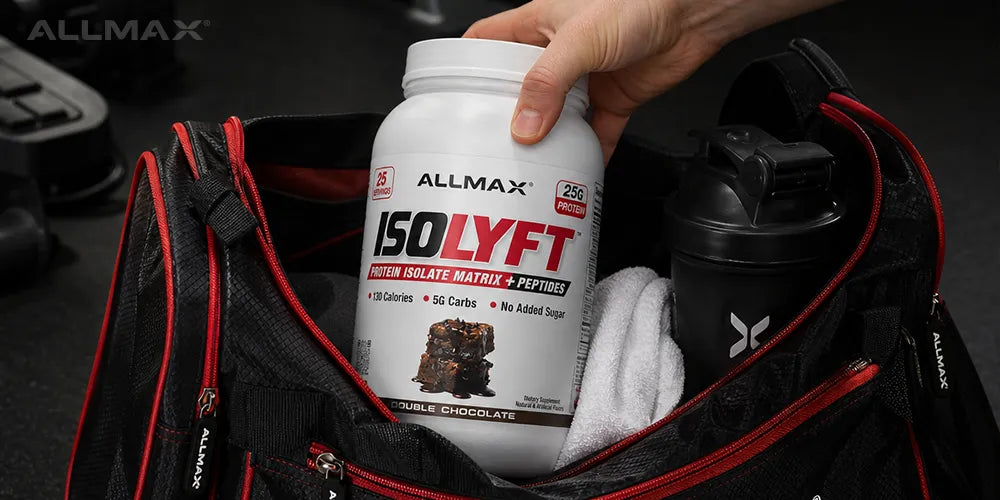
Protein powders like ALLMAX Isoflex deliver 27g of pure whey protein isolate per serving with zero sugar - helping you hit daily protein targets that maintain lean muscle and support metabolic and hormonal health.
Creatine monohydrate is backed by decades of research for improving strength, power, training volume, and muscle size. These are exactly the training outcomes that maximize the muscle-building stimulus testosterone helps drive. ALLMAX Creatine uses 99.9% pure CreaSyn for quality you can trust.
BCAA and EAA formulas like ALLMAX Aminocore are useful intra-workout or between meals to support muscle protein synthesis and reduce muscle breakdown - especially when cutting or fasting. They support recovery, not direct testosterone boosting.
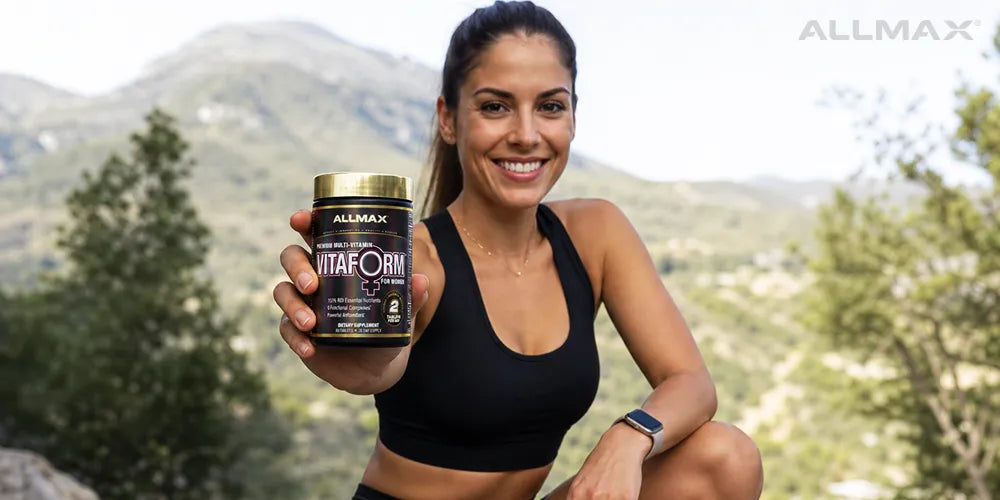
Foundational wellness products like VitaForm Men help close dietary gaps in zinc, vitamin D, magnesium, and other micronutrients that might otherwise contribute to suboptimal hormone function.
Protein: Muscle recovery and lean mass retention
Creatine: Training performance and strength gains
BCAAs/EAAs: Workout recovery and muscle preservation
Multivitamins: Overall wellness and micronutrient support
Pair supplements with consistent lifting weights, smart nutrition, quality sleep, and stress management for long-term results - not instant testosterone hacks.
FAQs: Natural Testosterone, Supplements, and Training
Can you increase testosterone naturally?
Yes. Many men can support testosterone levels naturally by lifting weights regularly, getting enough sleep, managing stress, optimizing their healthy diet, and maintaining a healthy weight. Structured exercise, weight loss of 15 to 20 pounds when overweight, and correcting micronutrient deficiencies are among the most effective ways to boost testosterone without medication. However, if you have persistently low serum testosterone levels despite these lifestyle changes, seek medical evaluation for treatable causes.
What are the best natural supplements for testosterone?
The most evidence-supported natural supplements for testosterone include vitamin D (when deficient), zinc and magnesium (if intake is low), ashwagandha for stress support, and creatine for performance. These support hormone health rather than acting as drug-level testosterone boosters. Young men and older adults alike benefit most when supplements fill genuine gaps rather than megadose nutrients already at sufficient levels. The health benefits compound when layered onto solid training and nutrition.
Do BCAAs increase testosterone?
No. BCAAs (leucine, isoleucine, valine) do not significantly raise testosterone directly. Their primary role is supporting muscle protein synthesis, reducing muscle breakdown, and improving recovery - all of which contribute to a muscle-building environment that complements testosterone optimization.
Does lifting weights increase testosterone?
Yes. Heavy, compound resistance training acutely raises testosterone and helps maintain muscle mass and metabolic health, indirectly supporting better long-term hormone balance. Weight lifting twice a week can increase testosterone production, and structured exercise programs significantly improve free testosterone levels even in previously sedentary men.
Are over-the-counter testosterone boosters safe?
Many blends on the market have limited clinical data, variable quality, and inconsistent dosing. Prefer transparently dosed, research-backed ingredients over proprietary blends. If you have a medical condition or take other medications, consult your doctor before adding any new dietary supplements.
Conclusion: Building a Sustainable, Testosterone-Supportive Lifestyle
The most reliable way to boost testosterone naturally is through consistent resistance training, a protein- and nutrient-rich diet, 7–9 hours of quality sleep, and deliberate stress management. No single supplement replaces these foundations. Learning how to increase testosterone naturally is really about improving overall men's health and training habits - not chasing quick fixes or trendy pills.
Natural supplements for testosterone support - vitamin D (if deficient), zinc, magnesium, ashwagandha, creatine, and amino acids - work best when layered onto those strong foundations. ALLMAX Nutrition provides high-quality, lab-tested options for protein, creatine, BCAAs, and wellness support that fit into this evidence-based approach.
Track your training, sleep, and nutrition for 4–8 weeks while applying the strategies in this guide before judging results. If you suspect clinical low testosterone despite solid lifestyle changes, see a physician for proper evaluation. Explore ALLMAX's protein, creatine, and recovery supplement categories to support your muscle-building and performance goals.
References
- Jayasena CN, Anderson RA, Llahana S, Barth JH, MacKenzie F, Wilkes S, Smith N, Sooriakumaran P, Minhas S, Wu FCW, Tomlinson J, Quinton R. Society for Endocrinology guidelines for testosterone replacement therapy in male hypogonadism. Clin Endocrinol (Oxf). 2022 Feb;96(2):200-219.
- Bhasin S, Brito JP, Cunningham GR, Hayes FJ, Hodis HN, Matsumoto AM, Snyder PJ, Swerdloff RS, Wu FC, Yialamas MA. Testosterone Therapy in Men With Hypogonadism: An Endocrine Society Clinical Practice Guideline. J Clin Endocrinol Metab. 2018 May 1;103(5):1715-1744.
- D'Andrea S, Spaggiari G, Barbonetti A, Santi D. Endogenous transient doping: physical exercise acutely increases testosterone levels-results from a meta-analysis. J Endocrinol Invest. 2020 Oct;43(10):1349-1371.
- Stokes KA, Gilbert KL, Hall GM, Andrews RC, Thompson D. Different responses of selected hormones to three types of exercise in young men. Eur J Appl Physiol. 2013 Mar;113(3):775-83.
- Karl E Friedl, Adam W Potter, Low testosterone is a phenotype of visceral adiposity, Journal of the Endocrine Society, Volume 10, Issue 8, August 2026.
- Fui MN, Dupuis P, Grossmann M. Lowered testosterone in male obesity: mechanisms, morbidity and management. Asian J Androl. 2014 Mar-Apr;16(2):223-31.
- Corona G, Rastrelli G, Monami M, Saad F, Luconi M, Lucchese M, Facchiano E, Sforza A, Forti G, Mannucci E, Maggi M. Body weight loss reverts obesity-associated hypogonadotropic hypogonadism: a systematic review and meta-analysis. Eur J Endocrinol. 2013 May 2;168(6):829-43.
- Whittaker J, Wu K. Low-fat diets and testosterone in men: Systematic review and meta-analysis of intervention studies. J Steroid Biochem Mol Biol. 2021 Jun;210:105878.
- Prasad AS, Mantzoros CS, Beck FW, Hess JW, Brewer GJ. Zinc status and serum testosterone levels of healthy adults. Nutrition. 1996 May;12(5):344-8.
- Maggio M, Ceda GP, Lauretani F, Cattabiani C, Avantaggiato E, Morganti S, Ablondi F, Bandinelli S, Dominguez LJ, Barbagallo M, Paolisso G, Semba RD, Ferrucci L. Magnesium and anabolic hormones in older men. Int J Androl. 2011 Dec;34(6 Pt 2):e594-600.
- Lee DM, Tajar A, Pye SR, Boonen S, Vanderschueren D, Bouillon R, O'Neill TW, Bartfai G, Casanueva FF, Finn JD, Forti G, Giwercman A, Han TS, Huhtaniemi IT, Kula K, Lean ME, Pendleton N, Punab M, Wu FC; EMAS study group. Association of hypogonadism with vitamin D status: the European Male Ageing Study. Eur J Endocrinol. 2012 Jan;166(1):77-85.
- Leproult R, Van Cauter E. Effect of 1 week of sleep restriction on testosterone levels in young healthy men. JAMA. 2011 Jun 1;305(21):2173-4.
- Thanawala S et al. (2026). Efficacy and safety of sustained release ashwagandha root extract capsules on muscle strength and cardiorespiratory endurance in recreationally active individuals: A randomized, double-blind, placebo-controlled trial. medRxiv.