
Whey protein isolate is a highly filtered dairy protein containing ≥90% protein by weight, with near-zero lactose, fat, and carbohydrates. A 2026 network meta-analysis published in Translational Sports Medicine—comparing 13 protein supplements across 78 randomized controlled trials and 4,755 participants—found whey protein significantly increases both muscle strength and fat-free mass when combined with resistance training. Only one other protein type (soy protein) matched this dual statistical significance. No other supplement combines this depth of clinical evidence, rapid absorption, and practical versatility.
Despite being the most popular protein powder in the United States, confusion around whey protein types—whey protein concentrate vs. isolate vs. hydrolyzed—leads many consumers to make suboptimal choices. Many buyers unknowingly purchase blended proteins marketed as "isolate" that actually contain cheaper concentrate. Whey is a group of eight proteins found naturally in cow's milk, and whey protein powder is produced as a byproduct of the cheese-making process. ALLMAX Nutrition has helped set the standard for whey protein isolate purity by manufacturing true 100% isolate products with no concentrate blended in, backed by pharmaceutical-grade, government-inspected, cGMP-certified facilities and batch-level lab testing.
This guide explains what whey protein isolate powder is, how it differs from other forms, its proven benefits for lean muscle and weight loss, how to dose it correctly, and how to identify a high-quality supplement.
Key Takeaways:
Whey protein is one of only two protein supplements proven to significantly increase both muscle strength and fat-free mass across 78 RCTs
A meta-analysis of 14 RCTs found whey protein combined with resistance exercise decreased body weight by 4.2 kg and body fat by 3.74 kg from baseline
Quality matters: true 100% protein isolate, third party tested certification, transparent labeling, and advanced filtration separate premium products from whey concentrate blends
What Is Whey Protein Isolate and Why Athletes Choose It
Whey protein isolate (WPI) is a highly filtered form of whey protein derived from milk. It is processed through advanced filtration to contain ≥90% protein by weight with minimal fat, lactose, and carbohydrates.
Whey itself is a complete protein, containing all nine essential amino acids required for human nutrition. This makes it one of the highest-quality protein sources available—superior to most plant based protein and vegan protein powder options in terms of amino acids profile completeness. Leucine, the key branched-chain amino acid found in high concentrations in WPI, is the primary trigger for muscle protein synthesis (MPS)—the biological process through which the body repairs and builds new muscle tissue after training.
The filtration process separates protein from non-protein components while preserving bioactive fractions. Cross-flow microfiltration (CFM) uses physical ceramic membrane filters with microscopic pores to retain larger protein molecules while allowing water, lactose, and fat to pass through. CFM preserves the full spectrum of bioactive whey fractions, including beta-lactoglobulin, alpha-lactalbumin, immunoglobulins, and glycomacropeptides.
WPI's high leucine content—the key branched-chain amino acid (BCAA)—makes it particularly effective for triggering muscle protein synthesis (MPS). The International Society of Sports Nutrition (ISSN) recommends a protein intake of 1.4–2.0 g/kg/day for exercising individuals, with each dose containing 700–3,000 mg of leucine.
Whey protein concentrate generally has more fat, carbohydrates, and calories than whey isolate. WPI is also more expensive than whey concentrate due to the additional processing steps required to achieve its higher protein purity. However, when evaluating cost on a protein-per-dollar basis, the higher protein content of WPI often closes the price gap significantly.
Whey Protein Types at a Glance
|
Feature
|
Whey Concentrate (WPC)
|
Whey Isolate (WPI)
|
Hydrolyzed (WPH)
|
|---|---|---|---|
|
Protein Content
|
50–80%
|
≥90%
|
Varies (pre-digested)
|
|
Lactose Content
|
Higher (up to 3.5 g per 100 cal)
|
Near-zero (under 1 g per 100 cal)
|
Similar to concentrate
|
|
Fat
|
1.5 g per 100 cal
|
0 g per 100 cal
|
Varies
|
|
Calories
|
Higher per gram of protein
|
Fewer calories per gram of protein
|
Varies
|
|
Carbs
|
Higher
|
Minimal (0–2 g)
|
Varies
|
|
Absorption Rate
|
Moderate
|
Fast
|
Slightly faster
|
|
Bioactive Fractions
|
Retained
|
Retained (with CFM)
|
Partially broken down
|
|
Cost
|
Lowest
|
Mid-range
|
Highest
|
|
Best For
|
Budget-conscious consumers
|
Calorie-controlled diet; lactose intolerant individuals
|
Clinical/medical applications
|
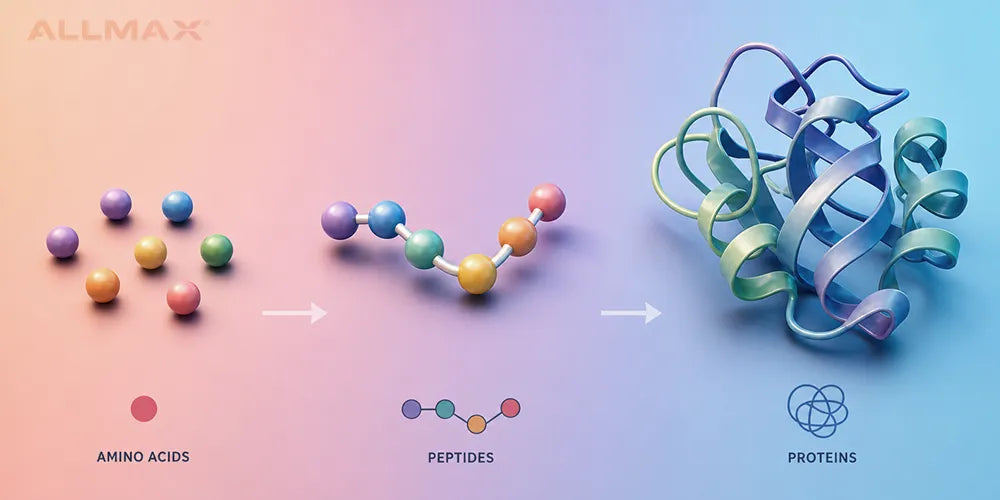
Hydrolyzed whey protein (WPH) is whey that has been partially broken down through enzymatic hydrolysis, splitting protein chains into smaller peptides. This pre-digestion process can speed absorption slightly compared to standard WPI, but it also breaks down many of the bioactive whey fractions that CFM-processed isolate preserves. WPH is most commonly used in clinical or medical nutrition applications and tends to carry the highest price point among whey protein types.

Key Benefits of Whey Protein Isolate for Muscle Gain
Whey protein isolate delivers clinically meaningful improvements in both strength and body composition. The evidence base spans decades of peer-reviewed research.
-
Increase muscle strength. The 2026 network meta-analysis found whey protein significantly improved strength vs. placebo, translating to approximately 2.21 kg greater strength gain. Whey protein is one of only two supplements with this level of statistical evidence for muscle building.
-
Build fat-free mass. The same NMA found a significant increase in fat-free mass, translating to approximately 0.54 kg more lean body mass than placebo over the study period. This confirms that whey isolate protein actively supports the muscle growth process beyond what training alone provides.
-
Accelerate muscle recovery. High BCAA content—especially leucine at 700–3,000 mg per dose as recommended by the ISSN—promotes MPS post workout and during recovery windows. A separate meta-analysis of 21 RCTs with 837 participants confirmed WPI supplementation during resistance training sessions improved lean muscle mass, reduced body fat, and increased muscular strength in healthy younger individuals. Research suggests WPI digests rapidly—typically within 60 minutes—making it particularly effective for immediate post workout recovery.
-
Deliver essential amino acids rapidly. WPI is fast-acting, delivering essential amino acids quickly to muscle cells post-training. Rapidly digested proteins with high proportions of amino acids are most effective in stimulating MPS. Unlike slower-digesting whole foods protein sources, WPI provides a concentrated dose of nutrients precisely when muscle tissue is primed for repair.
-
Support clean macros for lean gains. At ≥90% protein with zero sugar and minimal fat, WPI fits calorie-controlled and low-carb diet protocols. A quality whey protein isolate powder delivers approximately 120 calories for 27 g of protein per serving—without added sugar, cane sugar, or unnecessary fillers.
Whey Protein Isolate for Weight Loss and Body Composition
Whey protein isolate supports weight loss by preserving lean muscle during caloric deficits, preventing the metabolic slowdown that commonly occurs during weight loss plateaus.
A meta-analysis of 14 RCTs with 626 adult participants, published in the Journal of the American College of Nutrition, found that whey protein combined with resistance exercise decreased body weight by 4.2 kg and body fat by 3.74 kg from baseline. Participants using whey protein lost significantly more body fat compared to control groups over an average 23-week study period.
Preserving muscle mass during a calorie deficit is critical. Skeletal muscle is a major determinant of resting metabolism. Losing muscle slows metabolism and increases the likelihood of weight regain. WPI's low-calorie, high-protein profile (120 calories for 27 g protein in ALLMAX Isoflex) makes it practical for caloric deficit protocols without the excess carbs and fat found in standard whey powder blends.
Research also indicates indirect metabolic benefits. Whey protein isolate has shown improved glucose disposal and insulin sensitivity. A study evaluating 75 g of whey protein isolate in overweight women found significantly lower hyperinsulinemia, lower cortisol levels, and increased ghrelin release, supporting satiety. For those on a weight loss journey, WPI provides the protein intake necessary to preserve lean tissue while consuming fewer calories overall.
It is important to note that whey protein is a supplement designed to complement a balanced diet—not to serve as a complete meal replacement. Prioritize getting enough protein from whole foods first, then add whey protein strategically to fill gaps in daily protein intake.
How ALLMAX Isoflex Delivers Pure Whey Protein Isolate
ALLMAX Isoflex applies the quality criteria discussed above into a single, transparently labeled product. Every batch is lab-tested and manufactured in a cGMP-registered facility. Because protein powders and dietary supplements are not pre-approved by the FDA for efficacy, third-party certification becomes the most reliable quality signal for consumers.
-
HRI (Hybrid-Ratio Ion-Filtration) Technology. Combines cross-flow ultra-filtration with ion-charged particle filtration and an alpha-lactalbumin-rich isolate process. This preserves bioactive whey fractions—including beta-lactoglobulin (53.8%), alpha-lactalbumin (20.3%), glycomacropeptide (18.8%), and immunoglobulins (2.5%)—that standard processing methods can destroy.
-
27 g protein per 30 g serving. This 90% protein-by-weight ratio confirms true isolate purity—not a concentrate/isolate blend. Each scoop delivers a complete amino acids profile with high leucine for maximum MPS stimulation.
-
Clean macros. 0 g sugar, 0–1 g fat, 2 g carbs, and 120 calories per serving. No added sugar and no cane sugar.
-
Virtually lactose-free. Over 98% lactose-free, suitable for mild lactose intolerance.
-
Verified for Sport. Regularly third party tested for WADA banned substances, meeting the standard required by competitive athletes. This certification addresses the gap left by FDA non-regulation of supplements.
-
No fillers or proprietary blends. Transparent labeling with fully disclosed high quality ingredients—no hidden compounds.
-
Available in 11 flavors with instant mixability. The powder mixes easily into water, smoothies, or protein shakes without clumping or a weird taste.

How Isoflex Compares to Standard Industry Offerings
|
Feature
|
ALLMAX Isoflex
|
Typical Industry Blends
|
|---|---|---|
|
Protein Source
|
100% whey protein isolate
|
Concentrate/isolate blend
|
|
Protein per Serving
|
27 g per 30 g scoop (90%)
|
20–24 g per 33–35 g scoop
|
|
Sugar
|
0 g
|
3–5 g
|
|
Fat
|
0–1 g
|
2–4 g
|
|
Filtration
|
HRI Technology (preserves bioactive fractions)
|
Basic ion-exchange or standard filtration
|
|
Third-Party Certification
|
Verified for Sport (WADA banned substance tested)
|
Varies, not all products are third-party tested
|
|
Proprietary Blends
|
None — fully disclosed label
|
Common
|
|
Artificial Additives
|
Yes (flavouring, sweeteners, mixability agents)
|
Often (flavouring, sweeteners, stabilizers)
|
Prefer a more natural option? Try ALLMAX Isonatural, made without artificial sweeteners or flavors.
How to Dose and Time Whey Protein Isolate for Results
Recommended Dosage for Whey Protein Isolate
The ISSN recommends 0.25 g/kg body weight (or 0.1 g/lb body weight) per serving, or an absolute dose of 20–40 g of high-quality protein. Overall daily protein intake should fall within 1.4–2.0 g/kg/day (or 0.6–0.9 g/lb/day) for exercising individuals. The question of how much protein per day depends on training intensity, body composition goals, and whether the objective is to build muscle or lose weight.
Distribute protein evenly every 3–4 hours across the day for maximum MPS stimulation. Each dose should contain 700–3,000 mg of leucine to trigger the anabolic response. For most adults, this translates to one scoop of ALLMAX Isoflex per serving—enough to meaningfully support muscle growth without excess calories.
Post-Workout and Timing Strategies
-
Consume whey protein isolate post-workout. Post workout consumption within 2 hours is supported by research for optimizing muscle recovery. Whey protein isolate digests rapidly—typically within 60 minutes—making it well-suited for immediate post workout recovery when muscle tissue is primed for repair.
-
Recognize the real anabolic window. The traditional "30-minute anabolic window" is now considered overly narrow. The anabolic effect of exercise is long-lasting—research indicates at least 24 hours—but likely diminishes with increasing time post-workout.
-
Take protein with meals on rest days. Morning consumption is practical for maintaining elevated MPS throughout the day. A protein shake with breakfast helps ensure enough protein intake early.
-
Consider pre-sleep protein. Protein before bed can support overnight muscle protein synthesis. The ISSN notes that pre-sleep casein intake of 30–40 g provides increases in overnight MPS and metabolism.
Stacking tip: Combine ALLMAX Isoflex with ALLMAX Creatine Monohydrate post workout for a comprehensive recovery protocol that addresses both protein synthesis and energy system replenishment. Mix both into a single protein shake or post workout smoothie for convenience.
Are There Side Effects of Too Much Whey Protein Isolate?
For healthy individuals, whey protein at recommended doses (1.4–2.0 g/kg/day or 0.6–0.9 g/lb/day) is safe and does not cause harm to kidneys. The ISSN suggests protein intake within this range is not detrimental to kidney function or bone metabolism.
Potential minor side effects at excessive doses include digestive discomfort—stomach bloating or gas—which can be mitigated by splitting doses across the day. It remains unclear whether high protein intake can harm kidney function, though some experts believe it is unlikely to pose a risk for healthy individuals.
Individuals with pre-existing kidney disease should consult a physician before high-protein supplementation. The American Kidney Fund recommends that those with chronic kidney disease limit protein to 0.8 g/kg/day (or 0.4 g/lb/day) under dietitian supervision.
How to Choose an Affordable Whey Protein Isolate with Low Carbs
True WPI delivers ≥90% protein with 0–2 g carbs per serving. When evaluating value, focus on protein-per-dollar rather than sticker price. Blends containing whey concentrate are cheaper per unit but deliver less protein per serving and more calories, fat, and sugar.
Key signs of a quality, affordable whey protein isolate supplement:
-
Isolate listed first on the ingredient label—not "whey blend" or "protein matrix"
-
Transparent labeling with no proprietary blends and no hidden processed ingredients
-
Third party tested and Verified for Sport
-
0 g added sugar and minimal fat per serving
Avoid products listing "whey protein blend" or "protein matrix"—these frequently contain cheaper whey concentrate marketed at isolate prices. ALLMAX Isoflex delivers 27 g of pure protein per 30 g scoop with 0 g sugar and clean macros at a competitive price point.
Frequently Asked Questions
Is whey isolate protein good for you?
Yes. Whey protein isolate provides ≥90% pure protein with minimal lactose, fat, and carbohydrates. A 2026 network meta-analysis of 78 RCTs confirmed it significantly improves both muscle strength and fat-free mass when combined with resistance training. As a complete protein containing all nine essential amino acids, the ISSN considers it a safe, effective dietary supplement for exercising individuals at recommended doses of 1.4–2.0 g/kg/day (or 0.6–0.9 g/lb/day).
Can you build muscle with whey isolate?
Yes. Research suggests whey protein significantly increases fat-free mass and muscle strength vs. placebo. Its high leucine content triggers muscle protein synthesis—the biological process underlying muscle growth. The ISSN recommends 1.4–2.0 g/kg/day (or 0.6–0.9 g/lb/day) protein intake for exercising individuals, with 20–40 g per serving distributed across the day. Whey isolate is one of the most efficient ways to build muscle because it delivers a complete amino acids profile with fewer calories per gram of protein than whey concentrate.
What is the healthiest protein powder?
The healthiest protein powder delivers high protein per serving with minimal additives, no proprietary blends, third party tested certification, and transparent labeling. Whey protein isolate meets all these criteria. Look for products with ≥90% protein content by weight, 0 g added sugar, and certifications like Verified for Sport, which tests for WADA-banned substances. Whether choosing between whey protein powder, vegan protein powder, or other protein powders, prioritize high quality ingredients and verified nutrition labels over marketing claims.
Is it okay to drink whey isolate every day?
Yes. Daily whey protein isolate consumption is safe for healthy adults. The ISSN confirms that protein intake of 1.4–2.0 g/kg/day (or 0.6–0.9 g/lb/day) is not detrimental to kidney function or bone metabolism. Consistent daily intake helps maintain elevated muscle protein synthesis throughout the day. That said, a protein shake should supplement—not replace—whole foods in the diet. Prioritize getting enough protein from balanced meals, then add whey protein to meet daily targets.
Does whey protein increase creatinine levels?
In healthy individuals, whey protein at recommended doses does not cause harmful creatinine elevation. Slight increases in serum creatinine reflect normal renal filtration adaptation, not kidney damage. The ISSN confirms protein intake up to 2.0 g/kg/day (or 0.9 g/lb/day) is safe for kidneys. Individuals with pre-existing kidney conditions should consult a physician.
Does whey protein help with weight loss?
Yes. Whey protein supports weight loss by preserving lean body mass during a calorie deficit, which helps maintain resting metabolism and prevent rebound weight gain. A meta-analysis of 14 RCTs found that whey protein combined with resistance exercise decreased body weight by 4.2 kg and body fat by 3.74 kg from baseline. WPI's high protein content with minimal calories makes it particularly effective for those aiming to lose weight without sacrificing muscle mass.
Next Steps for Whey Protein Isolate Supplementation
Whey protein isolate stands as one of only two protein supplements with statistically significant evidence for increasing both muscle strength and fat-free mass. It supports weight loss by preserving lean body mass during caloric deficits, fits lactose intolerant and lactose-sensitive diet protocols, and delivers clean macros for any training goal.
Quality separates effective supplements from marketing noise. True 100% isolate, third party tested certification, transparent labeling, and advanced filtration are non-negotiable markers of a premium product. Avoid protein powders with added sugar, undisclosed blends, or excessive fillers.
Ready to fuel your training with pure whey protein isolate? Explore ALLMAX Isoflex Whey Protein Isolate.