

Anna Kasztenny, MSc.
Anna holds a Master’s degree in Bio-Pharmaceutical Science and Business Studies and a Bachelor of Medical Science with an Honors Specialization in Pharmacology. Alongside her academic background, she is a competitive bodybuilder and strength athlete who holds three provincial powerlifting records. As a former competitive gymnast and varsity cheerleader, she is passionate about health, performance, and evidence-based wellness.
Why Lactose Free Protein Shakes Matter
Lactose free protein shakes solve a specific problem: getting enough protein without the bloating, gas, or cramping that lactose can cause in sensitive individuals. Whether you're lactose intolerant, following a dairy free diet, or simply looking for a protein shake that sits well in your digestive system, these products have become a practical staple for athletes and everyday health-conscious adults alike.
"Lactose free" covers a range of products. Some use dairy-based whey protein isolate and process to remove most lactose. Others skip dairy entirely, relying on plant-based protein sources, egg whites, or animal proteins like beef and salmon. Ready to drink protein drinks and powdered options both exist in the lactose free category. The common thread is that they aim to deliver 20 or more grams of protein per serving without the digestive downsides of standard dairy products.
Later in this article, you'll see how ALLMAX Nutrition's MealPrep Lite fits into a lactose-conscious, high-protein routine as a dairy free nutrition option. First, the fundamentals.

What Is Lactose? (Quick Science Primer)
Lactose is the natural sugar found in cow's milk and most dairy foods, including yogurt, ice cream, cheese, and standard whey protein powder. Chemically, it's a molecule made of two simpler sugars: glucose and galactose.
Your small intestine produces an enzyme called lactase, which splits lactose into those two absorbable sugars. When lactase levels are low, undigested lactose passes into the colon, where gut bacteria ferment it. That fermentation produces gas, draws in extra water through osmosis, and can trigger the symptoms people associate with lactose intolerance [1].
One detail worth noting: lactose is a carbohydrate, not a protein or fat. A protein powder labeled "low carb" or "zero sugar" might still contain trace lactose from whey or milk protein unless the manufacturer explicitly states otherwise. Reading the full ingredient list matters more than scanning a single line on the nutrition panel.
Understanding Lactose Intolerance and Protein Needs
Lactose intolerance affects how you digest a specific milk sugar. It has no bearing on how much protein your muscles need for repair, maintenance, or muscle growth. The two issues just happen to collide when your go-to protein source is dairy.
Lactose intolerance results from insufficient lactase enzyme production. Symptoms of lactose intolerance include gas, bloating, cramping, diarrhea, and nausea, typically appearing within 30 minutes to two hours after consuming lactose. The condition can be genetic (primary lactase non-persistence), can develop with age, or can follow gut illness or surgery. Lactose intolerance affects millions globally; in the United States alone, an estimated 30 to 50 million adults experience some degree of it [2]. If your symptoms are persistent or severe, consult a healthcare professional for a proper evaluation.
Protein needs don't change because of intolerance. Adults need roughly 0.8 grams of protein per kilogram of body weight per day at baseline. Athletes, recreational lifters, and those focused on building muscle often aim for 1.6 to 2.2 g/kg/day, or 0.7-1.0 g/lb/day, as recommended by the International Society of Sports Nutrition [3]. For a 165 lb (75 kg) individual training regularly, that's about 115 to 165 grams of protein daily. Lactose free protein shakes and lactose free protein powders help people with intolerance hit those protein intake targets without relying on traditional dairy.
Lactose Intolerance vs. Milk Allergy
These two conditions sound related but involve different biological mechanisms, and mixing them up can lead to unsafe food choices when selecting a protein shake.
Lactose intolerance is an enzyme deficiency. Your body doesn't produce enough lactase to break down the milk sugar, so undigested lactose causes uncomfortable gut symptoms. It is not an immune reaction.
Milk allergy, by contrast, is an immune response to milk proteins such as casein or whey. It can produce hives, vomiting, respiratory distress, and in serious cases, anaphylaxis. A milk allergy reaction involves the immune system attacking specific protein structures; it has nothing to do with lactose, the sugar.
The practical difference: someone who is lactose intolerant may tolerate a low lactose whey protein isolate, since the offending sugar has been reduced. Someone with a true milk allergy needs to avoid all milk proteins entirely, even if a product is labeled "lactose free." If you suspect or have been diagnosed with a milk allergy, work with an allergist and choose clearly dairy free protein options such as plant protein isolates or multi-source non dairy blends.
Are Protein Shakes Lactose-Free? It Depends on the Protein Source
Protein shakes are not automatically lactose free. Whether a shake contains lactose depends on the protein source and how the product is formulated.
Dairy-based proteins sit on a spectrum. Whey protein concentrate usually contains higher levels of lactose than whey protein isolate. Technical analyses show that whey concentrate can contain roughly 14.8% lactose by dry weight, while isolate drops to about 1.1%. In practical terms, a serving of concentrate might deliver 3 to 5 grams of lactose, while a comparable serving of whey protein isolate often contains less than 1 gram [4]. Some lactose-free formulas use regular dairy with added lactase enzyme to break down lactose before you consume it, keeping the protein content high while reducing the sugar that causes trouble. Whey protein isolate is one suchultra-filered option that retains high protein content with low lactose. Still, "isolate" does not automatically guarantee zero lactose unless the manufacturer confirms it on the label. For a closer look at the differences, see this comparison of whey protein isolate vs concentrate.
Casein protein and milk protein concentrates typically retain more lactose and may be less suitable for those who are lactose intolerant.
Non dairy options sidestep the question entirely. Plant based protein powders (pea, brown rice, soy, hemp, pumpkin seed), egg white protein, and beef protein isolates contain no lactose because they don't come from milk. These are naturally lactose free by default.
One distinction to keep clear: "dairy free" and "lactose free" are not interchangeable. A dairy free protein powder contains no milk-derived ingredients at all. A lactose free shake may still contain milk proteins (whey or casein) that have had the lactose removed or reduced. Check the label to confirm whether it is lactose-free and whether it contains milk allergens. If you have a milk allergy rather than intolerance, dairy free is the safer standard.
Benefits of Plant-Based and Other Dairy-Free Protein Sources
Many lactose-free protein shakes are also dairy-free, making them an option for people who choose to avoid dairy altogether, including those following plant-based diets or those who experience difficulty digesting lactose. Dairy-free protein shakes can use a variety of protein sources, and formulations may combine multiple sources to provide a broader amino acid profile.
Common plant-based protein sources include pea, brown rice, soy, hemp, and pumpkin seed proteins. Combining complementary plant proteins, such as pea and brown rice, can help provide a more balanced essential amino acid profile. However, dairy-free protein does not have to mean plant-based. Protein powders can also combine multiple animal-derived sources, such as beef, chicken, salmon, and egg albumin, with plant proteins such as pea and brown rice.
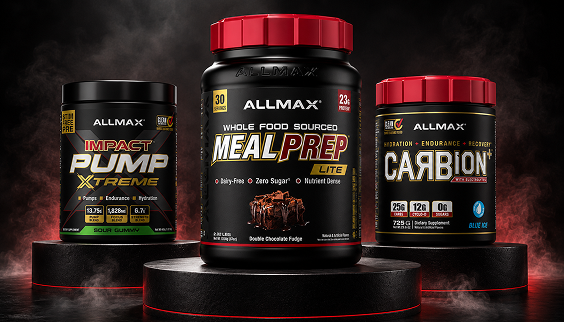
ALLMAX MealPrep Lite takes a multi-source approach, combining six protein sources - beef, chicken, salmon, egg albumin, pea, and brown rice - to provide 23 g of protein per serving without whey or lactose. This combination gives consumers an alternative to traditional whey-based protein shakes while incorporating both animal and plant-derived proteins. MealPrep Lite also contains MCTs, plant-based omega-3 fatty acids, and a 15-ingredient Organic Greens Blend, making it designed as a convenient all-in-one meal replacement option.
When choosing a dairy-free protein shake, look beyond the protein source alone. Consider the total protein per serving, ingredient list, macronutrient profile, added sugars, allergens, and how the product fits into your overall diet. For people specifically avoiding lactose, checking the current product label and allergen information is also important, as dairy-free and lactose-free are not interchangeable terms. For more information on choosing a dairy-free protein shake, explore ALLMAX's guide to dairy free protein shakes.
How to Choose a Lactose Free Protein Shake or Protein Powder
Picking the right lactose free protein shake comes down to reading labels carefully and matching the product to your goals. Here's a practical checklist:
Protein source: Look for clear labeling such as "pea protein isolate," "egg white protein," "brown rice protein," or explicitly labeled lactose free whey isolate. Be cautious of vague "proprietary blends" that don't disclose individual sources. Many lactose free protein powders provide around 20 grams of protein per serving; look for at least 15 per serving depending on your needs.
Ingredient list and allergen statement: Scan for dairy ingredients like whey, casein, milk solids, cream powder, or cheese derivatives. In North America, "Contains: Milk" must appear when any milk ingredient is used. Products labeled soy free, gluten free, or free from tree nuts will call those out as well.
Lactose and dairy free information: Prioritize products that state "lactose free," "0 g lactose," or "dairy free" when this matters for your health. Lactose free options often contain lower carbohydrates than their standard counterparts because they lack the lactose sugar. Carbohydrate content varies by formula though, so check the Nutrition Facts panel rather than assuming a lactose-free product is low-carb.
Macronutrients and calories: Match calories to your goal. Lower calorie options suit weight loss; higher calorie formulas work better as a meal replacement or for bulking.
Sugars and sweeteners: Choose sugar content based on your dietary preferences, energy needs, and tolerance. Some people tolerate sucralose or sugar alcohols; others do not. Choose shakes with ingredients that match your preferences and support your goals.
Additional ingredients: Extras like prebiotic fiber, healthy fats (MCT oil powder, chia or flax seeds), micronutrients, or greens blends can increase satiety and nutritional quality. Many lactose free protein powders contain added fiber for digestive health.
Intended use: Decide whether you need a simple post-workout protein powder, a more complete meal replacement protein shake, or a ready to drink option for travel.
Quality and testing: Reputable brands highlight manufacturing standards like cGMP compliance and third-party testing. Look for transparent labeling and batch-level quality controls, especially if you manage a food allergy. ALLMAX covers label-reading basics in their beginner protein powder guide.
How to Use Lactose Free Protein Shakes in Your Daily Routine
Lactose free protein drinks are flexible tools for hitting daily protein intake alongside whole foods. Here's how they fit into a typical day:
Breakfast. When time is limited, blend a scoop of lactose free protein powder with almond milk, a handful of oats, and a banana. This delivers roughly 30 to 35 grams of protein and enough carbohydrates to start your morning without reaching for dairy products.
Post-workout. Consuming 20 to 30 grams of protein after resistance training helps support muscle recovery and adaptation. A lactose free shake mixed with water or lactose free milk keeps it simple. Lactose free protein shakes can support muscle recovery with essential amino acids and can fit well for athletes and individuals controlling calorie intake.
Between meals. A protein shake between lunch and dinner bridges long gaps, supports satiety, and reduces the pull toward ultra-processed snack foods. Protein shakes can serve various dietary goals like muscle recovery and weight management.
On the go. Pre-portioned powder in a shaker bottle works at the office, in class, or on the road.
As a meal replacement. Formulas that include balanced macros (protein, fats, carbs) and micronutrients can substitute for a meal occasionally. They should complement, not replace, a varied whole foods diet built around lean meats, fish, eggs, legumes, and whole grains.

How to Make a Lactose Free Protein Shake at Home
Homemade lactose free protein shakes let you control ingredients, sweetness, and texture using your chosen protein powder.
Base liquid options: Water, almond milk, oat milk, soy milk, coconut milk beverage, or lactose free cow's milk all work. Each changes flavor and calorie count slightly. Anyone avoiding dairy should skip regular milk entirely.
Here are four recipe frameworks to get started:
Breakfast shake: 1 scoop whole food-based protein powder + 250 mL almond milk + 1 frozen banana + 30 g rolled oats. Blend until smooth. Roughly 350 calories and 30 g protein.
Protein coffee: 1 scoop dairy free protein powder + 250 mL cold brew coffee + a few ice cubes. Blend or shake vigorously. A low calorie, high-protein morning option for coffee drinkers.
Berry recovery shake: 1 scoop lactose free protein powder + 200 mL oat milk + 80 g frozen mixed berries + 1 tablespoon ground flax. About 280 calories and 25 g protein.
Chocolate nut butter shake: 1 scoop chocolate peanut butter flavored protein + 250 mL almond milk + 1 tablespoon almond or peanut butter + ice. Rich, creamy, and roughly 320 calories.
Add-ins like chia seeds, spinach, or a sprinkle of cinnamon (if you enjoy flavors like cinnamon horchata in your shakes) boost fiber and micronutrients. Your shake stays lactose free only if every ingredient, including the liquid and any mix-ins, is free of lactose-containing dairy. Adjust thickness by varying ice and liquid, and adjust sweetness with fruit or a drizzle of maple syrup.
ALLMAX MealPrep Lite: A Dairy Free, High-Protein Option
For readers looking for a convenient, pre-formulated solution, ALLMAX MealPrep Lite is an all-in-one, dairy free protein powder. It delivers about 23 grams of protein per serving from a six-source whole-food protein blend: grass-fed beef, brown rice, pea, egg albumin, chicken, and salmon. No whey, no casein, no dairy ingredients.
According to the official ALLMAX product page, MealPrep Lite contains zero whey and zero lactose, with 0 g total sugars and 0 g added sugar. Calories range from approximately 120 to 140 per serving depending on the flavor (options include vanilla waffle cone, double chocolate fudge, and chocolate peanut butter). The formula also includes MCT oil powder for healthy fats, chia seed powder for plant-based omega-3s, and a 15-ingredient organic greens blend featuring chlorella, spirulina, reishi mushroom, and organic turmeric. It is manufactured under cGMP standards and lab-tested every lot, with no artificial colors or dyes.
The intended use spans several scenarios: dairy free meal support for athletes, active adults managing a low carb or keto-compatible approach, and busy individuals who need a portable high protein shake. Lactose free protein shakes may vary in taste and texture compared to regular dairy shakes, but MealPrep Lite's multi-source blend and added functional ingredients aim for both nutritional density and drinkability.
If lactose avoidance is medically important to you, review the most current ingredient list and allergen panel on the official product page before purchasing. To see the full ingredient list, flavor options, and current nutrition facts, visit the ALLMAX MealPrep Lite product page.
Key Ingredients to Watch For in Lactose Free Protein Drinks
Beyond the protein source itself, several common ingredients influence tolerability, taste, and nutritional quality in free protein shakes.
Sweeteners. Lactose free shakes use a range of sweeteners: cane sugar, stevia, monk fruit, sucralose, coconut sugar, and sugar alcohols. If a sweetener causes symptoms for you, check the label before buying and choose a formula without it or try a different product.
Fiber additions. Many products include prebiotic fiber from inulin or chicory root, which may feed beneficial gut bacteria. At higher doses, these fibers can cause gas or bloating in some people, mimicking the symptoms you're trying to avoid. Start with one serving and assess tolerance.
Fats. MCT oil powder, sunflower oil, canola oil, and nut-based ingredients (like almond flour) affect creaminess, calories, and satiety.
Allergens beyond milk. Soy protein, egg, tree nuts, and gluten-containing grains show up in many formulas. Read the "Contains" and "May contain" statements carefully if you manage multiple food sensitivities. If a product is labeled soy free and gluten free, it will typically call that out on the front panel. For those with sensitive stomachs, ingredient simplicity may help some people identify personal triggers.
General rule: Favor products with transparent labeling, recognizable ingredients, and minimal unnecessary additives. Balance that against personal taste preferences and budget.
Frequently Asked Questions About Lactose Free Protein Shakes
Are protein shakes lactose-free?
Some are and some are not. It depends on the protein source and the product formulation. Shakes made from whey concentrate contain lactose; shakes made from plant proteins, egg whites, or beef protein isolate do not. Always check the label rather than assuming.
Is whey protein lactose-free?
Standard whey protein concentrate is not lactose free. Whey protein isolate undergoes additional filtration that removes most of the lactose, often leaving less than 1 gram per serving, but it is not automatically lactose free unless the manufacturer labels it that way. If you tolerate small amounts of lactose, a high-quality whey isolate like ALLMAX IsoNatural may work, but check the allergen panel first.
What protein powder is best for lactose intolerance?
Plant based protein powders (pea, brown rice, soy, or blends), egg white protein, and clearly labeled lactose free whey isolates are the most common choices. The best option depends on taste preference, budget, amino acids needs, and overall diet. Properly formulated plant protein blends can provide all essential amino acids for building muscle and general fitness.
Can lactose-intolerant people drink protein shakes?
Many can, provided they choose low lactose or lactose free options. Choosing lactose free protein options helps avoid symptoms like bloating and gas in sensitive individuals. Start with a single serving to gauge your response, and consult a healthcare professional for personalized advice if symptoms persist.
Are dairy free and lactose free the same thing?
No. Dairy free protein powder contains no milk-derived ingredients at all, including whey and casein. Lactose free products may still contain milk proteins; only the lactose sugar has been removed or reduced. For a milk allergy, dairy free is the appropriate standard.
What can I put in a lactose free protein shake?
Almond milk, oat milk, water, frozen fruits, oats, nut or seed butters, ground flax, chia seeds, and greens all work. Avoid adding regular milk, yogurt, or ice cream if the goal is to stay lactose free. Plant based sources like coconut milk or soy milk are safe bases for those avoiding dairy entirely.
Do lactose free protein shakes help with weight loss or muscle growth?
They provide protein, which supports muscle maintenance, muscle recovery, and satiety within an overall nutrition and training plan. A lactose free protein shake won't produce results on its own; calorie balance, exercise, sleep, and whole foods diet quality all matter. Protein shakes are tools within a broader fitness routine, not standalone solutions.
Final Takeaway
Lactose free protein shakes are a practical way for lactose intolerant or dairy-avoiding individuals to meet daily protein needs without sacrificing performance, recovery, or digestive comfort. Available types include plant based and ultra-filtered dairy options, giving you room to match your protein source to your tolerance and your goals.
The selection process comes down to a few concrete steps: understand whether you're dealing with lactose intolerance or a milk allergy, read ingredient and allergen labels, choose a protein source that works for your body (plant based, egg, beef, or verified lactose free whey), and match the macros and ingredients to your personal targets.
Shakes should complement balanced meals built from whole foods; they fill gaps, not entire diets. If you want a convenient, dairy free, high-protein option that covers more nutritional ground than a basic protein powder, review ALLMAX MealPrep Lite and confirm that its ingredients and macros align with your dietary needs.
If you have complex health conditions, suspected allergies, or need individualized protein intake guidance, consult a registered dietitian, physician, or qualified health professional.