

Author: Dr. Trevor Kouritzin
Dr. Trevor Kouritzin holds a Doctorate in Medicine, a Master’s degree in Human Nutrition, and a Bachelor’s degree in Chemical Engineering. During his academic career, Trevor actively pursued competitive bodybuilding, ultimately earning a pro card, while also participating in various team sports. He is deeply passionate about the clinical and therapeutic applications of dietary supplements for enhancing health, performance, and overall quality of life.
Introduction
A dairy free protein shake is a convenient way to support muscle recovery, nutrition, and weight management without dairy-based ingredients. With approximately 68% of the global population experiencing lactose malabsorption, these shakes have gained popularity among athletes, active adults, and health-conscious individuals seeking high-quality protein without digestive discomfort. They provide complete protein, functional nutrients, and convenient nutrition to support performance and healthy weight goals.
Some people choose dairy-free protein shakes even if they aren't lactose intolerant due to dietary preferences, allergies to dairy products, a desire for improved digestive comfort, or an interest in alternative protein sources. This broader appeal makes dairy-free options suitable for a wide range of individuals beyond those with lactose intolerance.
This blog explores the benefits, key nutritional factors, and how to choose the best dairy free protein shake tailored to your needs, highlighting what makes certain products stand out among the best options for weight loss and overall health.

What Is a Dairy Free Protein Shake?
A dairy free protein shake is a nutritional beverage that provides protein without using dairy-derived ingredients such as whey, milk protein or casein. Instead, many products rely on protein powder blends, dairy-free animal proteins, or a combination of both to support protein intake, muscle recovery, and overall nutrition.
Common protein sources found in dairy free protein shakes include:
Pea protein – A highly digestible protein rich in essential amino acids, and some formulas use pea protein isolate or organic pea protein for a cleaner, more concentrated source.
Brown rice protein – Often paired with pea protein to create a more complete amino acid profile, and some labels may list rice protein concentrate as part of a blend.
Egg protein – A dairy-free animal protein with excellent amino acid quality.
Beef protein – A dairy-free alternative that supports muscle recovery and growth.
Salmon protein – A high-quality animal protein rich in essential amino acids and omega-3 fatty acids.
Chicken protein – A lean animal protein source that supports muscle repair and growth.
Not all dairy-free protein sources provide the same amino acid profile, which is why multi-source blends or complete protein sources are often preferred to ensure all essential amino acids are present for optimal muscle repair and growth.
Dairy free shakes may also use almond milk or coconut milk as the base depending on the desired texture and calorie profile.
Benefits of a Dairy Free Protein Shake
Easier Digestion and Dairy-Free Nutrition
One of the biggest advantages of a dairy free protein shake is improved digestive comfort, and lowering dairy intake may help people who deal with digestive issues feel better overall. Some athletes and active individuals choose a dairy free protein shake because it provides high-quality protein without lactose-containing ingredients like whey.
For individuals with lactose intolerance or dairy sensitivities, dairy free protein shakes offer a reliable way to increase protein intake without compromising digestive health. However, it’s worth noting that many people without these sensitivities digest whey protein perfectly well, making it a suitable and effective option for them. This balanced perspective helps highlight that the best choice depends on individual tolerance and nutritional needs.
Convenient Protein Support
A dairy free protein shake provides a fast and portable source of protein that fits easily into busy lifestyles. Whether consumed post-workout, between meals, or during a hectic workday, these shakes make it easier to meet daily protein requirements for building muscle and repairing muscle tissue. How much protein someone needs depends on activity level and goals, especially for people focused on muscle gain. Nuts and seed butters are also common smoothie add-ins for more protein and healthy fats when you want a more filling shake.
Compatible With Multiple Dietary Lifestyles
Many dairy free protein shakes are designed to accommodate a variety of nutrition plans, including:
Dairy-free lifestyles
Low-carb diets
Keto-friendly approaches
Gluten-free nutrition plans
Clean-eating routines
They also appeal to shoppers following a vegan diet. Dairy-free options are also popular with consumers who want a smaller environmental footprint than dairy.
This flexibility makes them a practical option for a wide range of consumers, including plant based eaters.
Why Many People Choose Dairy Free Protein Shakes for Weight Loss
Protein is known for its ability to promote satiety and help maintain lean muscle mass during calorie-controlled diets. As a result, many consumers are turning to dairy free protein shakes for weight loss as part of their nutrition strategy.
The best dairy free protein shakes for weight loss typically provide high-quality protein, moderate calories, minimal added sugars, and ingredients that support fullness. These characteristics can make it easier to manage hunger while working toward body composition goals.
What to Look for in the Best Dairy Free Protein Shake
Protein Quality and Quantity
When evaluating a dairy free protein shake, look for a product that provides a meaningful amount of protein per serving. Research suggests that approximately 20–25 grams of high-quality protein can effectively stimulate muscle protein synthesis following resistance exercise, making protein content an important factor when choosing a shake for recovery and performance. Equally important is the quality of the protein source and the presence of all nine essential amino acids.
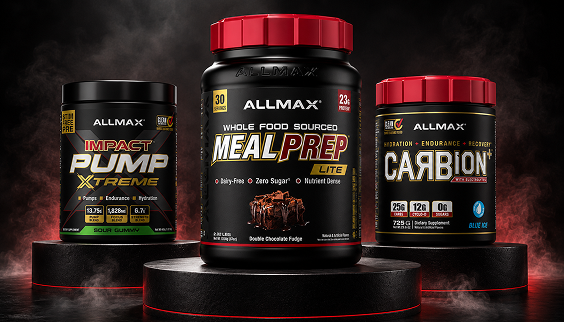
Multi-source protein blends often provide a broader amino acid profile than single-source formulas, making them an attractive option for individuals seeking comprehensive protein support. ALLMAX MealPrep Lite contains six whole-food protein sources, including beef, chicken, salmon, egg albumin, pea, and brown rice, providing a diverse and complete amino acid profile.
Healthy Fats and Functional Ingredients
Some of the best dairy free protein shake formulas offer more than just protein. Additional ingredients may include:
| Ingredient | Purpose and Benefits |
|---|---|
| Medium-Chain Triglycerides (MCTs) | Provide quick, easily digestible energy and support fat metabolism. |
| Plant-based omega-3 fatty acids (e.g., chia seeds) | Supply essential fatty acids that support heart and brain health. |
| Greens blends | Deliver micronutrients, antioxidants, and support detoxification. |
| Adaptogens | Help the body manage stress and promote overall wellness. |
| Antioxidant-rich superfoods | Protect cells from oxidative damage and support recovery. |
| Prebiotic fiber | Promote healthy gut bacteria and improve digestive health. |
These ingredients can contribute to a more complete nutritional profile while supporting overall wellness, and some formulas also add prebiotic fiber for digestive support.
Sugar, Calories, and Ingredient Transparency
The best dairy free protein shake should provide meaningful nutrition without excessive added sugars or unnecessary fillers. Look for products with transparent ingredient labels, moderate calorie counts, sodium levels that fit dietary guidelines, and the exact sweetener used, whether that is cane sugar, organic cane sugar, monk fruit, monk fruit extract, stevia leaf extract, sucralose, or acesulfame potassium.
How to Choose the Best Dairy Free Protein Shake
Evaluate the Protein Blend
Not all protein sources are created equal. While single-source proteins can be effective, multi-source blends often provide a more complete amino acid profile and broader nutritional support
Consider Additional Nutritional Benefits
Many premium dairy free protein shakes include ingredients that go beyond protein, such as healthy fats, greens blends, vitamins, minerals, and digestive-support ingredients. Flavor systems and texture also matter because plant-based protein sources may have a chalky texture or earthy aftertaste. It’s also worth choosing based on your own taste preferences.
Match the Product to Your Goals
The best dairy free protein shake for an athlete may differ from the best dairy free protein shake for someone focused on weight management or daily nutrition. Flavor variety matters too, since what suits your taste buds can affect how well a shake fits your goals and routine. Consider your goals, calorie needs, and dietary preferences when making a selection.
ALLMAX MealPrep Lite: A Complete Dairy-Free Meal Replacement Option
Key Features and Benefits
For individuals seeking a dairy free protein shake that offers more than basic protein supplementation, ALLMAX MealPrep Lite provides a comprehensive nutritional solution with support for convenient nutrition and sustained energy.
Each serving delivers:
23 grams of protein from six whole-food protein sources
Zero dairy, zero lactose, and zero added sugar
Only 120–140 calories per serving
MCTs for healthy fat support
Plant-based omega-3 fatty acids from chia seeds
A 15-ingredient Organic Greens Blend
Keto-compatible nutrition
Unlike traditional whey-based meal replacements, ALLMAX MealPrep Lite combines grass-fed beef protein, chicken protein, salmon protein, egg albumin, pea protein, and brown rice protein to provide a diverse amino acid profile without relying on dairy ingredients.
Who It's Best For
ALLMAX MealPrep Lite may be a suitable option for:
Individuals following a dairy-free lifestyle
Lactose-intolerant consumers
Low-carb and ketogenic dieters
Busy professionals seeking convenient meal support
Active adults and athletes
Consumers looking for one of the best dairy free protein shakes for weight loss due to its high protein content, low calorie count, and zero added sugar formula
Meal Replacement vs. Protein Shake: What's the Difference?
Key Differences Between Meal Replacements and Protein Shakes
| Feature | Meal Replacement | Protein Shake |
|---|---|---|
| Primary Purpose | Replace a meal | Increase protein intake |
| Protein Content | Moderate to high | Moderate to high |
| Healthy Fats | Usually included | Often minimal |
| Micronutrients | Often fortified with vitamins, minerals, and greens | Typically limited |
| Satiety | Designed to keep you fuller longer | Primarily focused on protein |
| Convenience | Can serve as a complete nutrition option | Usually paired with other foods |
| Best For | Busy schedules, weight management, meal support | Post-workout recovery, protein supplementation |
When a Dairy-Free Meal Replacement May Be the Better Choice
A dairy-free meal replacement can be beneficial for individuals who need more complete nutrition than a standard protein shake provides. These products are often better suited for busy mornings, travel, meal support, and weight management goals because they include additional nutrients beyond protein alone. One of the key factors is whether you need a lighter base, since using almond milk or cashew milk can keep calories lower than more substantial meal-style blends.
Are dairy free protein shakes as effective as whey protein?
Yes. When formulated with complete amino acid profiles and consumed in adequate amounts, dairy free protein shakes can support muscle growth and recovery similarly to whey-based products.
What is the best dairy free protein shake for weight loss?
The best dairy free protein shake for weight loss is typically one that provides high-quality protein, low sugar content, moderate calories, and ingredients that help support satiety. Products that combine protein with healthy fats and additional nutrients may offer added benefits for appetite management.
Can dairy free protein shakes help build muscle?
Absolutely. High-quality dairy free protein shakes that contain all nine essential amino acids can support muscle protein synthesis, recovery, and lean muscle development.
Are dairy free protein shakes keto-friendly?
Many dairy free protein shakes are keto-compatible, particularly those that are low in carbohydrates and contain healthy fats such as MCTs.
How do meal replacements differ from protein powders?
Meal replacements are designed to provide balanced nutrition, including protein, fats, vitamins, minerals, and sometimes greens blends. Protein powders primarily focus on increasing protein intake and are typically consumed alongside other foods.
Are dairy free protein shakes easier to digest?
For many people, yes. Dairy free protein shakes avoid lactose and dairy proteins that can trigger digestive discomfort, making them a gentler option for sensitive individuals.
Conclusion
A dairy free protein shake can be an effective way to support muscle recovery, daily nutrition, and weight management while avoiding dairy ingredients. By prioritizing protein quality, ingredient transparency, healthy fats, and overall nutritional value, you can identify the best dairy free protein shake for your specific goals.
Whether you're looking for everyday nutrition, athletic recovery, or researching the best dairy free protein shakes for weight loss, choosing a product that aligns with your lifestyle and dietary preferences is key. Products such as ALLMAX Meal Prep Lite demonstrate how modern dairy-free formulas can go beyond basic protein supplementation by combining multiple protein sources, functional ingredients, and convenient meal support in one serving.
References:
1: National Institute of Diabetes and Digestive and Kidney Diseases. (2018, February). Definition & facts for lactose intolerance. U.S. Department of Health and Human Services, National Institutes of Health. https://www.niddk.nih.gov/health-information/digestive-diseases/lactose-intolerance/definition-facts
2: Sethi, S., Tyagi, S. K., & Anurag, R. K. (2016). Plant-based milk alternatives an emerging segment of functional beverages: A review. Journal of Food Science and Technology, 53(9), 3408–3423. https://doi.org/10.1007/s13197-016-2328-3
3: Mariotti, F., & Gardner, C. D. (2019). Dietary protein and amino acids in vegetarian diets—A review. Nutrients, 11(11), Article 2661. https://doi.org/10.3390/nu11112661
4: Naumann, U. K., Suter, P. M., Käser, W., & Vetter, W. (2007). Lactose intolerance: Main symptoms—abdominal pain, bloating, flatulence, diarrhea (after consuming products with lactose). Praxis, 96(4), 89–96. https://doi.org/10.1024/1661-8157.96.4.89
5: Longland, T. M., Oikawa, S. Y., Mitchell, C. J., Devries, M. C., & Phillips, S. M. (2016). Higher compared with lower dietary protein during an energy deficit combined with intense exercise promotes greater lean mass gain and fat mass loss: A randomized trial. The American Journal of Clinical Nutrition, 103(3), 738–746. https://doi.org/10.3945/ajcn.115.119339
6: Leidy, H. J., Carnell, N. S., Mattes, R. D., & Campbell, W. W. (2007). Higher protein intake preserves lean mass and satiety with weight loss in pre-obese and obese women. Obesity, 15(2), 421–429. https://doi.org/10.1038/oby.2007.531
7: van Vliet, S., Burd, N. A., & van Loon, L. J. C. (2015). The skeletal muscle anabolic response to plant- versus animal-based protein consumption. The Journal of Nutrition, 145(9), 1981–1991. https://doi.org/10.3945/jn.114.204305
8:St-Onge, M.-P., & Jones, P. J. H. (2002). Physiological effects of medium-chain triglycerides: Potential agents in the prevention of obesity. Journal of Nutrition, 132(3), 329–332. https://doi.org/10.1093/jn/132.3.329
9:U.S. Department of Health and Human Services. (n.d.). Omega-3 fatty acids fact sheet for health professionals. National Institutes of Health, Office of Dietary Supplements. https://ods.od.nih.gov/factsheets/Omega3FattyAcids-HealthProfessional/
10: McDermott, A. (2024, June 17). What are greens powders? Benefits, risks, and more. Healthline. https://www.healthline.com/nutrition/super-greens
11: Panossian, A., & Wikman, G. (2010). Effects of adaptogens on the central nervous system and the molecular mechanisms associated with their stress-protective activity. Pharmaceuticals, 3(1), 188–224. https://doi.org/10.3390/ph3010188
12: Rodriguez, N. R., Di Marco, N. M., & Langley, S. (2009). American College of Sports Medicine position stand: Nutrition and athletic performance. Medicine & Science in Sports & Exercise, 41(3), 709–731. https://doi.org/10.1249/MSS.0b013e31890eb86
13: Slavin, J. (2013). Fiber and prebiotics: Mechanisms and health benefits. Nutrients, 5(4), 1417–1435. https://doi.org/10.3390/nu5041417
14: Liu, J., Klebach, M., Visser, M., & Hofman, Z. (2019). Amino acid availability of a dairy and vegetable protein blend compared to single casein, whey, soy, and pea proteins: A double-blind, cross-over trial. Nutrients, 11(11), 2613. https://doi.org/10.3390/nu11112613