

Anna Kasztenny, MSc.
Anna holds a Master’s degree in Bio-Pharmaceutical Science and Business Studies and a Bachelor of Medical Science with an Honors Specialization in Pharmacology. Alongside her academic background, she is a competitive bodybuilder and strength athlete who holds three provincial powerlifting records. As a former competitive gymnast and varsity cheerleader, she is passionate about health, performance, and evidence-based wellness.
Alpha-GPC (alpha-glycerylphosphorylcholine) is one of the most discussed ingredients in sports nutrition and nootropic circles. But what does the research actually support? This guide breaks down alpha GPC benefits across cognitive function, exercise performance, motivation, and growth hormone, separating stronger evidence from preliminary findings so you can make informed decisions about your supplement stack.
Quick Answer: What Are the Main Alpha GPC Benefits?
Alpha-GPC is a choline-containing compound that increases brain choline availability and supports acetylcholine levels, a neurotransmitter involved in memory, learning, attention, and neuromuscular signaling. The strongest evidence for alpha GPC benefits exists in older adults with cognitive decline or mild cognitive impairment, where clinical trials have shown measurable improvements in cognitive function. For healthy adults and athletes, emerging data suggest possible improvements in power output, mental clarity, and motivation, but these findings come from small studies with mixed results.
Alpha-GPC is not a guaranteed focus or strength booster. Here is what this article covers:
Cognitive function and cognitive performance in clinical and healthy populations
Mental clarity and attention during demanding tasks
Motivation in healthy volunteers
Exercise performance, power output, and physical performance
Acute growth hormone secretion responses
Dosing, timing, safety, and practical use in pre-workout formulas
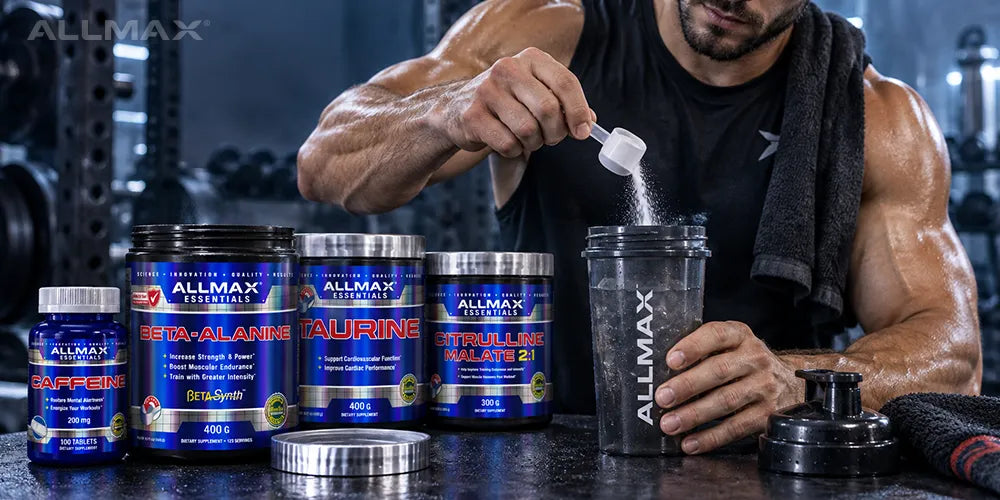
Alpha-GPC is included in many sports nutrition and pre-workout formulas, including ALLMAX Nutrition pre-workouts, as a non-stimulant cognitive support ingredient rather than a caffeine replacement.

What Is Alpha-GPC (Alpha Glycerylphosphorylcholine)?
Alpha-GPC, also known as L-alpha glycerylphosphorylcholine or the cholinergic precursor choline alphoscerate, is a choline-containing phospholipid synthesized from lecithin and used worldwide as a dietary supplement ingredient. Alpha-GPC contains about 40 mg of choline per 100 mg, making it a concentrated choline source compared to most foods and many other choline supplements.
Choline is an essential nutrient that the body uses to produce the neurotransmitter acetylcholine and to build cell membrane components in the brain. Alpha-GPC occurs naturally in small amounts in meat, milk, and wheat germ, but most alpha GPC supplements use lab-produced, standardized raw material for consistent dosing.
Common names and abbreviations include:
Alpha-GPC / α-GPC
Alpha glycerylphosphorylcholine
Choline alphoscerate (also written as choline alfoscerate)
In North America, alpha-GPC is sold as a dietary supplement, not a pharmaceutical drug. It is used for cognitive support and sports nutrition purposes.
How Does Alpha-GPC Work in the Body and Brain?
Alpha-GPC acts primarily as a bioavailable choline source that can support acetylcholine synthesis and phospholipid production in the brain. Because it crosses the blood-brain barrier, alpha-GPC can deliver choline directly to neural tissue, where it influences both cognitive function and neuromuscular signaling.
The process works in steps: after oral ingestion, alpha-GPC is absorbed in the gut, elevating plasma free choline levels. A 2017 study in the Journal of the International Society of Sports Nutrition confirmed that 250 mg and 500 mg doses raised serum free choline by 59% and 132%, respectively [1]. This choline is then transported into the brain, where it contributes to acetylcholine levels and cell membrane components like phosphatidylcholine.
Alpha-GPC increases acetylcholine levels in the brain, and acetylcholine is a neurotransmitter involved in memory, learning, attention, and neuromuscular junction signaling (muscle contraction). Alpha-GPC can increase acetylcholine levels in specific brain regions, which underpins its potential cognitive and exercise-related effects.
Increasing choline availability does not guarantee a linear increase in acetylcholine levels or performance. The nervous system tightly regulates neurotransmitter synthesis, storage, and release. Mechanistic and animal research suggests that Alpha-GPC may modulate dopaminergic and serotonergic neurotransmission, including effects on dopamine levels and dopamine transporter expression. Limited human research also suggests a potential effect on motivation, but its effects on mood, dopamine levels, and motivated behaviour in humans remain incompletely understood [2].
What Are the Benefits of Alpha-GPC? (Overview by Evidence Strength)
The major investigated effects of alpha GPC span cognitive function, cognitive performance, mental clarity, exercise performance, power output, motivation, and acute growth hormone responses. Here is how the evidence breaks down:
Better supported: Cognitive function and cognitive improvement in older adults with cognitive impairment, vascular dementia, or moderate Alzheimer's dementia. Published clinical data from multiple trials and a systematic review support these findings [3].
Emerging: Cognitive performance and mental clarity in healthy adults; increased motivation in healthy volunteers; exercise performance and power output metrics in active individuals [4,5].
Limited or mixed: Direct improvements in maximal strength, reaction time (serial subtraction test results varied), and endurance in healthy trained athletes [6].
Mechanistic/preclinical: Neuroprotective effect in animal models of cerebrovascular disease and traumatic brain injury; membrane support; changes in dopamine levels and serotonin levels observed in preclinical work [5].
Effects of alpha GPC are context-dependent. Cognitive benefits appear more consistent in impaired or older populations. For healthy young lifters, expectations should be realistic: improvements, when present, tend to be modest.
Alpha-GPC for Cognitive Function, Memory & Mental Clarity
Alpha-GPC is a choline source that supports cognitive function, with the strongest data in adults experiencing age-related cognitive decline, mild cognitive impairment, or dementia. It should be viewed as a potential cognitive support ingredient, not a guaranteed memory enhancer for healthy individuals.
Research in cognitive impairment and dementia:
Clinical trials from the 1990s through the 2010s in Alzheimer's disease and vascular dementia found that alpha-GPC treatment (often 1,200 mg/day) modestly improved cognitive scores. A 2023 systematic review and meta-analysis of 7 RCTs (approximately 861 participants) concluded that choline alphoscerate produced an MMSE improvement of approximately 3.50 points (95% CI: 0.36–6.63) over placebo or comparator drugs [7]. Clinical trials showed alpha-GPC improved cognitive impairment in Alzheimer's patients, with functional and behavioral measures also improving [8]. Alpha-GPC has been studied for cognitive support in aging populations across multiple countries.
Research in mild cognitive impairment:
Recent randomized, double-blind, placebo-controlled work (2024) found that alpha-GPC improved specific cognitive tests in adults with mild cognitive impairment and was generally well tolerated [9]. These findings inform use in aging populations, not necessarily young athletes.
Cognitive function in healthy adults:
A small crossover trial comparing 200 mg and 400 mg alpha-GPC with 200 mg caffeine and placebo found that 200 mg alpha-GPC produced faster performance on mental math tasks (serial subtraction test), but overall acute effects showed high variability [6]. Alpha-GPC may enhance cognitive function and mental clarity, though current evidence supports modest average effects in healthy individuals.
Alpha-GPC may also support cognitive recovery in patients post-stroke, where clinical research has explored its role in vascular origin cerebrovascular disease and stroke treatment contexts. Alpha-GPC supplementation has potential neuroprotective properties, and animal models show it may help reduce neuronal cell death after head injury, including traumatic brain injury scenarios. Alpha-GPC has a neuroprotective effect in animal models of cerebrovascular disease. These findings remain mechanistic/preclinical for most applications.
Practical expectations:
May support attention and mental clarity on demanding days
Effects are likely subtle, not dramatic "limitless pill" changes
More robust evidence exists for people with existing cognitive deficits than for healthy lifters
Alpha-GPC, Motivation & Mood in Healthy Volunteers
A placebo-controlled, single-blind study using the KOKORO scale tested 400 mg/day of alpha-GPC for 2 weeks in healthy adults aged 22–59 years with no serious adverse effects reported [2]. A study showed 400 mg of alpha-GPC increased motivation in participants, and alpha-GPC increases motivation levels in healthy individuals based on this trial [2].
Key findings:
Participants self-rated anxiety-relief and lethargy-motivation three times daily across four weeks
Both placebo groups and the alpha-GPC group showed some relief (likely placebo and study effects)
The alpha-GPC group showed a statistically higher increase in nighttime motivation compared with placebo after more than 1 week of supplementation
No significant anxiolytic (anti-anxiety) effect was detected
The proposed mechanisms include dopaminergic and serotonergic modulation; in animal models, alpha-GPC increased dopamine active transporter expression and influenced DA neurotransmission in the frontal cortex. These remain mechanistic/preclinical findings, not definitive proof in humans. Further studies are needed.
For gym-goers: if you train after work or at night, alpha-GPC might help you feel a bit more driven to tackle your session, but results will vary, and this study was small and short-term. This is an emerging benefit, not a guaranteed motivation booster.
Alpha-GPC for Exercise Performance & Power Output
Alpha-GPC has been studied for exercise performance, particularly power output, but current human trials are small and findings are mixed. It should be considered a potentially helpful pre-workout support ingredient for physical performance, not a guaranteed strength or power enhancer.
Main human sports nutrition studies:
In a 7-day randomized trial involving 48 healthy college-aged men, 250 or 500 mg/day of Alpha-GPC produced between-group differences in countermovement-jump maximum velocity and mechanical power, with the 250 mg group showing the greatest improvement. However, Alpha-GPC did not significantly improve measures of isometric strength or psychomotor vigilance [10]. In a smaller 2015 crossover trial, 200 and 400 mg of Alpha-GPC produced higher vertical-jump peak power than placebo (8.5% and 7.5%, respectively), although the authors found no statistically significant overall effect across the measured outcomes and noted substantial individual variability [6].
In a separate small trial with 7 trained men, a single 600 mg dose of alpha-GPC taken 90 minutes before exercise increased peak bench press force (933 ± 89 N vs. 818 ± 77 N, approximately 14% higher) [11]. Alpha-GPC can enhance power output during exercise, though this trial had only 7 participants.
Alpha-GPC supplementation can improve recovery of heart rate variability, adding another potential dimension for active individuals, though data are limited [12].
Practical implications:
Evidence for acute power output benefits is emerging but based on small samples
Some lifters may notice a slight edge in explosive movements; others may not feel any obvious difference
Evidence for improvements in endurance performance, overall workload, or repeated sprint ability is weaker than for single-bout power tasks
Alpha-GPC is included in some ALLMAX pre-workout formulas at research-informed doses to support neural drive and mind-muscle connection alongside stimulants like caffeine and performance agents like citrulline and beta-alanine.
Does Alpha-GPC Improve Strength or Power?
Some small human studies suggest alpha-GPC may acutely improve certain measures of power output when taken 30–60 minutes before exercise, but evidence is limited, not consistently statistically significant, and does not guarantee increased strength or power for every athlete [6].
For clarity:
Strength refers to maximal force (e.g., 1RM squat or bench press)
Power refers to rate of force development (e.g., vertical jump, explosive lifts)
Most available alpha-GPC exercise studies have focused on power metrics (jump height, bar speed) rather than 1RM strength. Improvements, when observed, are modest and variable between individuals. Some trials observed single-digit to low double-digit percentage improvements under specific test conditions, but these effects were not uniformly significant across all outcomes or subjects. Avoid taking any single percentage from one small study as a universal expectation.
If you are already dialed in on training, sleep, creatine monohydrate, and nutrition, adding an alpha-GPC supplement or a pre-workout with alpha-GPC may be reasonable to test for personal response. Track performance (bar speed, jump height) over several sessions before deciding to keep it in your stack.
Alpha-GPC, Acetylcholine & Cognitive Support
Acetylcholine is a neurotransmitter involved in memory and learning, attention, and the neuromuscular junction signaling that allows nerves to activate muscle fibers. Choline is an essential nutrient required to produce the neurotransmitter acetylcholine and to build phosphatidylcholine in cell membranes. Alpha-GPC acts as a choline donor that increases choline availability in the brain, and alpha-GPC enhances acetylcholine levels in the brain across both human and animal research.
In dementia and mild cognitive impairment, this enhanced cholinergic transmission is believed to underpin the improved cognition observed in trials. Clinical research using reviewed alpha-GPC protocols supports this mechanism.
More acetylcholine is not always better; balance with other neurotransmitter systems matters, and the brain regulates synthesis, storage, and release. Alpha-GPC is best viewed as supporting the cholinergic system rather than overriding it.
Because acetylcholine also drives neuromuscular activation, alpha-GPC is theorized to help with motor unit recruitment, coordination, and the mind-muscle connection. Direct human data in trained lifters supporting this theory are still limited and require further research.
Alpha-GPC and Growth Hormone: What the Evidence Really Shows
Clinical studies suggest alpha-GPC can enhance growth hormone secretion acutely during exercise, but there is no strong evidence that this translates into greater long-term muscle growth or fat loss.
In the bench press force trial, 600 mg of alpha-GPC taken pre-exercise produced a 44-fold growth hormone increase over baseline, compared with a 2.6-fold increase in the placebo group [11]. Another trial using 1,000 mg of alpha GPC pre-exercise also observed elevated GH at 60 minutes post-exercise [13].
The distinction matters:
Short-term changes in GH after a single workout are not the same as sustained higher GH levels
Many factors determine hypertrophy and body composition: training volume, protein intake, total calories, progressive overload
A temporary GH increase alone does not guarantee more muscle
Alpha-GPC's GH findings are mechanistically interesting and may hint at central nervous system effects during hard training, but they should not be the primary reason to use the ingredient. Think of growth hormone secretion data as supportive context, not decisive evidence, when choosing a pre-workout.
Alpha-GPC as a Pre-Workout Ingredient (Sports Nutrition Context)
Alpha-GPC appears in many modern pre-workout formulas for cognitive support, focus, and potential neuromuscular benefits, complementing stimulants and pump/performance ingredients. Here is how it compares to other common pre-workout ingredients:
Ingredient |
Primary Purpose |
Alpha-GPC |
Choline/acetylcholine support for cognitive function and neuromuscular signaling |
Caffeine |
Stimulant that increases alertness via adenosine receptor antagonism |
Citrulline |
Nitric oxide-related pump and high-intensity performance support |
Beta-alanine |
Buffers acid via carnosine with consistent daily use |
Lifters commonly take alpha GPC 30–60 minutes before training, often at 300–600 mg in standalone alpha GPC products or as part of a multi-ingredient formula combined with caffeine, B-vitamins, and amino acids.
Alpha-GPC is not a stimulant and will not produce the same immediate energy boost as caffeine. Its role is more about mental clarity, cognitive support, and possible improvements in motor unit recruitment.
Alpha-GPC vs. Caffeine: Different Tools for Focus & Performance
Alpha-GPC and caffeine both influence focus and mental performance but through different mechanisms. They appear together in many pre-workouts, but alpha-GPC is not a stimulant and does not "replace" caffeine.
Caffeine:
Blocks adenosine receptors, reducing fatigue and increasing alertness
Rapid onset (often within 20–45 minutes) with well-established ergogenic benefits for endurance and athletic performance
Can cause jitters, anxiety, and sleep disruption in some individuals
Alpha-GPC:
Supports acetylcholine and choline-dependent pathways related to attention, cognitive function, and neuromuscular transmission
Not typically associated with jittery stimulation; effects tend to be smoother and subtler
Evidence for exercise performance is more limited than caffeine's but may complement it in multi-ingredient formulas
The claim that caffeine depletes brain choline is not clearly supported by current human data. The idea that alpha-GPC and caffeine produce a specific "synergy" has not been robustly demonstrated in large trials, though combining them is common in sports nutrition and some users prefer the combination for balanced energy and cognitive support.
Users sensitive to caffeine may appreciate alpha-GPC-containing pre-workouts with moderate caffeine or stimulant-free options. Test personal tolerance and timing, especially for evening training.
How Much Alpha-GPC Should You Take? (Dosing in Research vs. Real Life)
There is no universally "optimal" alpha-GPC dose for healthy adults. Dosing depends on goal, individual tolerance, and specific product instructions. Common dosages of alpha-GPC in studies range from 300 mg to 1200 mg. Always follow label directions.
Typical doses in human research:
Cognitive decline/dementia: 1,200 mg of alpha GPC per day, split into three 400 mg doses, for months at a time under medical supervision
Mild cognitive impairment: similar or slightly lower daily dosing
Exercise performance: single pre-workout doses of 200–600 mg taken 30–60 minutes before testing. Doses of 300–600 mg of alpha-GPC are common for exercise
Motivation study in healthy volunteers: 400 mg/day at night for 2 weeks
Practical ranges for healthy lifters:
Common pre-workout serving: 150–600 mg per serving, depending on formulation
Many users stay within 300–600 mg/day total from alpha GPC supplements
Do not exceed labeled doses or stack multiple high-dose alpha GPC products without medical guidance. People taking cholinergic or anticholinergic medications, or those at elevated cardiovascular or stroke risk, should consult their healthcare provider before use.
When Should You Take Alpha-GPC for Best Effect?
For exercise performance or pre-workout use, take alpha GPC about 30–60 minutes before training. For cognitive support or motivation, studies have used daily dosing (often morning or evening) for at least 1–2 weeks, with gradual effects rather than instant changes.
Exercise study timing: Acute, pre-exercise ingestion with tests run approximately 30–60 minutes after. The exact time course of peak brain choline levels in humans is not fully mapped, so timing guidelines are based on trial protocols and general pharmacokinetics.
Motivation and cognitive trial timing: Daily bedtime dosing in the 2-week KOKORO study. Divided doses throughout the day in many dementia/mild cognitive impairment trials.
Practical options:
Morning or midday training: take alpha-GPC (standalone or in a pre-workout) 30–45 minutes pre-session
Late-night training: consider caffeine dose carefully; alpha-GPC alone or with low caffeine may support sharper focus with less sleep disruption
Do not expect "instant" mental clarity. Some people may feel benefits quickly; others need consistent use; some may not respond noticeably.
Is Alpha-GPC Safe? Side Effects, Stroke Risk & Long-Term Considerations
Short- to medium-term clinical studies generally find alpha-GPC is generally well tolerated at standard doses. Emerging data raise questions about potential long-term cardiovascular and stroke risk in some populations, and large, long-term safety trials in healthy adults are lacking. The FDA has not reviewed alpha-GPC for safety in the way it evaluates prescription drugs.
Commonly reported side effects:
Common side effects include gastrointestinal symptoms and headache
Mild side effects from alpha-GPC can include headache and nausea
Dizziness, insomnia, or vivid dreams in some users
Usually low incidence in clinical reports, but real-world experiences vary
Practical safety guidance:
Avoid use in pregnancy, breastfeeding, or in children due to insufficient data
Individuals with a history of stroke, TIA, blood pressure concerns, clotting disorders, or cardiovascular disease should discuss alpha-GPC with their healthcare provider
Do not exceed product label dosing; stop use if unusual symptoms occur (severe headache, neurological changes, allergic reactions)
Alpha-GPC is considered GRAS for specific uses in the U.S., but GRAS status does not equal comprehensive long-term safety data for high-dose sports supplementation
Third-party testing (which ALLMAX uses) helps ensure purity and label accuracy but does not replace medical supervision
Who Might Consider Alpha-GPC? (And Who Should Be Cautious)
Groups that might consider alpha-GPC:
Strength athletes and bodybuilders seeking non-stimulant cognitive support in their pre-workout stack
Recreational lifters who want to support mental performance and focus without adding more caffeine
Older adults exploring evidence-based cognitive support ingredients, ideally with a healthcare professional's guidance
Alpha-GPC is optional, not essential. It is a "nice-to-have" ingredient layered on top of fundamentals like training, whey protein isolate, creatine, sleep, and overall diet.
Groups that should be cautious or avoid use unless medically supervised:
Individuals with prior stroke, TIA, or cardiovascular disease
Those on medications affecting cholinergic or anticholinergic systems
Pregnant or breastfeeding women and minors
People with known allergies to soy, egg, or specific excipients in a given alpha GPC supplement formulation
Discuss all supplements with your healthcare provider, especially if you take prescription medications or manage chronic conditions.
Evidence Summary Table: Alpha-GPC Benefits at a Glance
This table summarizes key potential alpha GPC benefits, the type and strength of supporting evidence, and main limitations.
Potential Benefit |
Evidence Type |
Evidence Strength |
What the Research Shows |
Key Limitation |
Cognition in impairment / dementia |
RCTs, systematic review, meta-analysis |
Better supported |
MMSE improved ~3.50 points over placebo across 7 RCTs (~861 participants) |
Mostly older clinical populations; doses 1,200 mg/day |
Memory in healthy adults |
Small crossover trials |
Emerging |
Some improvement on mental math tasks (serial subtraction test) at 200 mg |
High variability; not consistently significant |
Focus / attention |
Mechanistic + small trials |
Emerging |
Plausible via acetylcholine pathways; limited direct evidence in healthy adults |
No large trial in exercising athletes |
Power output |
Small RCTs |
Emerging |
7.5–8.5% CMJ improvement; ~14% bench press force increase (n=7) |
Very small samples; inconsistent across outcomes |
Maximal strength (1RM) |
Limited |
Limited / mixed |
Not reliably demonstrated in current studies |
Few studies measure 1RM directly |
Growth hormone (acute) |
Small RCTs |
Emerging |
44-fold GH increase post-exercise vs. 2.6-fold placebo (n=7) |
Acute spike only; no proven link to hypertrophy |
Motivation |
Placebo-controlled trial |
Emerging |
400 mg/day increased nighttime motivation on KOKORO scale |
Single small trial; 2-week duration |
Neuroprotection |
Animal models, mechanistic |
Mechanistic / preclinical |
Reduced neuroinflammation, increased BDNF, membrane support |
Not confirmed in human outcome trials |
Neurological health (stroke recovery) |
Clinical case series |
Emerging |
May support cognitive recovery post-stroke |
Limited controlled data |
Supplementation decisions should be based on the totality of evidence plus individual goals, not on any single mechanistic or acute finding.
Frequently Asked Questions About Alpha-GPC
What are the benefits of Alpha-GPC?
Alpha GPC benefits include cognitive support (especially in cognitive impairment and aging), possible mental clarity and cognitive performance support in healthy adults, emerging evidence for power output, and increased motivation in healthy volunteers. Health benefits are modest and individual; alpha-GPC is not a universal performance enhancer.
What does Alpha-GPC do?
Alpha-GPC provides choline, which the body uses to synthesize the neurotransmitter acetylcholine. Acetylcholine is involved in cognitive function, memory, attention, and neuromuscular signaling. Alpha-GPC may also support cell membrane integrity through phospholipid production.
Does Alpha-GPC improve focus?
Alpha-GPC may support attention and mental clarity via acetylcholine pathways, but direct evidence for improved focus in healthy exercising adults is limited. Effects, when present, are generally subtle rather than dramatic.
Does Alpha-GPC improve memory?
Evidence is stronger for memory support in older or cognitively impaired adults than in young, healthy people. Alpha-GPC may improve cognitive functions like memory and attention in clinical populations; in healthy adults, data are emerging.
Does Alpha-GPC increase strength?
Alpha-GPC is not reliably shown to increase 1RM strength. Some data suggest possible improvements in power output, but strength effects remain uncertain.
Does Alpha-GPC increase power output?
Small studies report modest improvements in vertical jump power and bench press force with acute alpha-GPC dosing. Alpha-GPC can enhance power output during exercise, but samples are small and responses variable.
Does Alpha-GPC increase growth hormone?
Some studies show higher acute GH responses when alpha-GPC is taken pre-exercise. This has not been proven to enhance long-term muscle growth or body composition. Alpha GPC increases acute growth hormone secretion in specific protocols, not sustained levels.
Is Alpha-GPC a stimulant?
No. Alpha-GPC works via choline and acetylcholine pathways, not adenosine receptor blockade like caffeine. It is not classified as a stimulant.
Is Alpha-GPC the same as choline?
Alpha-GPC is a specific choline-containing compound. It delivers choline but differs from choline bitartrate or dietary choline in absorption profile and brain delivery. It is sometimes described as a more bioavailable choline source.
Is Alpha-GPC safe?
Is alpha GPC safe? Short-term use at standard doses is generally well tolerated. Long-term, high-dose use may carry cardiovascular and stroke risk in some populations. Consult a healthcare provider, especially if you have cerebrovascular risk factors.
How much Alpha-GPC should you take?
Research has used 200–1,200 mg depending on the application. For exercise, 300–600 mg pre-workout is common. For cognitive support, clinical studies used up to 1,200 mg/day under medical supervision. Follow product label directions.
When should you take Alpha-GPC?
For pre-workout use, take alpha GPC 30–60 minutes before training. For cognitive or motivation support, daily use for 1–2 weeks or longer may be needed. Timing is based on study protocols; exact peak-effect timing in humans is not fully established.
Is Alpha-GPC good for pre-workout?
Alpha-GPC is a reasonable pre-workout ingredient for cognitive support and potential power benefits, especially when combined with proven performance ingredients. It is not strictly necessary for every athlete.
Can Alpha-GPC be taken with caffeine?
They are often combined and generally tolerated together. Their mechanisms differ and may provide complementary support. Users sensitive to stimulants or with health conditions should discuss combinations with their healthcare provider.
ALLMAX Nutrition, Product Integration & How to Use Alpha-GPC in Your Stack
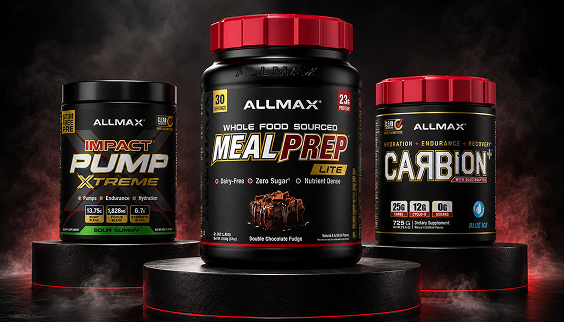
ALLMAX Nutrition is a sports nutrition brand focused on high-quality, research-informed supplements for muscle growth, performance, recovery, and wellness. Alpha-GPC fits within ALLMAX product categories as a focus and cognitive support ingredient in select pre-workouts such as Impact Igniter Xtreme, where it is combined with caffeine, citrulline, beta-alanine, and other performance nutrients.
For lifters already using ALLMAX pre-workouts containing alpha-GPC, follow label directions and avoid stacking multiple alpha GPC products above recommended daily intake. Stimulant-sensitive athletes may benefit from formulas that balance caffeine with non-stimulant cognitive support ingredients.
ALLMAX does not claim guaranteed outcomes such as a specific percentage increase in power, permanent optimization of mental focus, or clinically proven flow states. The brand formulates with research-informed doses and quality-verified ingredients to support performance-focused lifestyles.
For a complete, evidence-informed supplement stack, explore related ALLMAX content on sports nutrition supplements for beginners, caffeine, creatine, and pre-workout ingredients.
References
- Marcus L, Soileau J, Judge LW, Bellar D. Evaluation of the effects of two doses of alpha glycerylphosphorylcholine on physical and psychomotor performance. J Int Soc Sports Nutr. 2017 Oct 5;14:39. https://pmc.ncbi.nlm.nih.gov/articles/PMC5629791/
- Tamura Y, Takata K, Matsubara K, Kataoka Y. Alpha-Glycerylphosphorylcholine Increases Motivation in Healthy Volunteers: A Single-Blind, Randomized, Placebo-Controlled Human Study. Nutrients. 2021 Jun 18;13(6):2091. https://pubmed.ncbi.nlm.nih.gov/34207484/
- Sagaro GG, Traini E, Amenta F. Activity of Choline Alphoscerate on Adult-Onset Cognitive Dysfunctions: A Systematic Review and Meta-Analysis. J Alzheimers Dis. 2023;92(1):59-70. https://pubmed.ncbi.nlm.nih.gov/36683513/
- Kerksick CM. Acute Alpha-Glycerylphosphorylcholine Supplementation Enhances Cognitive Performance in Healthy Men. Nutrients. 2024 Dec 9;16(23):4240. https://pubmed.ncbi.nlm.nih.gov/39683633/
- Tamura Y, Takata K, Matsubara K, Kataoka Y. Alpha-Glycerylphosphorylcholine Increases Motivation in Healthy Volunteers: A Single-Blind, Randomized, Placebo-Controlled Human Study. Nutrients. 2021 Jun 18;13(6):2091. https://pubmed.ncbi.nlm.nih.gov/34207484/
- Parker AG, Byars A, Purpura M, Jäger R. The effects of alpha-glycerylphosphorylcholine, caffeine or placebo on markers of mood, cognitive function, power, speed, and agility. J Int Soc Sports Nutr. 2015 Sep 21;12(Suppl 1):P41. https://pmc.ncbi.nlm.nih.gov/articles/PMC4595381/
- Sagaro GG, Traini E, Amenta F. Activity of Choline Alphoscerate on Adult-Onset Cognitive Dysfunctions: A Systematic Review and Meta-Analysis. J Alzheimers Dis. 2023;92(1):59-70. https://pmc.ncbi.nlm.nih.gov/articles/PMC10041421/
- Lee SH, Choi BY, Kim JH, Kho AR, Sohn M, Song HK, Choi HC, Suh SW. Late treatment with choline alfoscerate (l-alpha glycerylphosphorylcholine, α-GPC) increases hippocampal neurogenesis and provides protection against seizure-induced neuronal death and cognitive impairment. Brain Res. 2017 Jan 1;1654(Pt A):66-76. https://pubmed.ncbi.nlm.nih.gov/27765578/
- Jeon J, Lee SY, Lee S, Han C, Park GD, Kim SJ, Chang JG, Kim WJ. Efficacy and safety of choline alphoscerate for amnestic mild cognitive impairment: a randomized double-blind placebo-controlled trial. BMC Geriatr. 2024 Sep 19;24(1):774. https://pubmed.ncbi.nlm.nih.gov/39300341/
- https://theanabolicprotocol.com/substances/alpha-gpc
- Ziegenfuss T, Landis J, Hofheins J. Acute supplementation with alpha-glycerylphosphorylcholine augments growth hormone response to, and peak force production during, resistance exercise. J Int Soc Sports Nutr. 2008 Sep 17;5(Suppl 1):P15. https://pmc.ncbi.nlm.nih.gov/articles/PMC3313098/
- Barzanjeh SP, Pescatello LS, Figueroa A, Ahmadizad S. The Effects of Alpha-Glycerylphosphorylcholine on Heart Rate Variability and Hemodynamic Variables Following Sprint Interval Exercise in Overweight and Obese Women. Nutrients. 2022 Sep 24;14(19):3970. https://pmc.ncbi.nlm.nih.gov/articles/PMC9572742/