
Introduction: Spirulina and Chlorella in a Nutshell
Spirulina and chlorella are two of the most widely used microalgae in dietary supplements, greens powders, and superfood powders. While they share a reputation as nutrient-dense, plant-based ingredients, they are biologically distinct organisms with different pigment profiles, cell structures, and areas of research. Spirulina is a cyanobacterium, often called blue-green algae, while chlorella is a true green microalga. Both contain protein, vitamins, minerals, and bioactive pigments, and a growing body of human research suggests potential benefits for cardiometabolic markers and antioxidant status.
That said, the evidence is outcome-specific, not a cure-all. Neither spirulina nor chlorella replaces a diet rich in vegetables, fruits, legumes, and whole grains. They can, however, be convenient additions to a well-rounded nutrition plan-especially when combined in a single formula.
This article covers what spirulina and chlorella actually are, how they differ, what the human research shows (and doesn't show), how to choose a quality greens powder, and where a product like ALLMAX CytoGreens fits in. ALLMAX Nutrition is a sports nutrition brand that includes both spirulina and cracked-cell chlorella in its CytoGreens Super Green Powder-a formula we will use as a practical example, not a sales pitch.
What Are Spirulina and Chlorella?
Microalgae is an informal term for microscopic photosynthetic organisms used as food or supplement ingredients. In modern sports nutrition and wellness products, spirulina and chlorella are among the most studied. Both are concentrated sources of protein, pigments like chlorophyll and phycocyanin, and micronutrients, but they come from entirely different branches of the biological tree.
Supplement forms matter. You will find spirulina powder, chlorella powder, tablets, capsules, and blended greens formulas. The form affects dose, convenience, and sometimes bioavailability, particularly for chlorella.

What Is Spirulina?
Spirulina supplements are typically derived from Arthrospira platensis and Arthrospira maxima, filamentous cyanobacteria. Spirulina is often considered a blue-green algae, but technically it is a prokaryotic cyanobacterium, not a eukaryotic alga. It is a cyanobacterium that has existed for over 3.5 billion years, making it one of the oldest life forms on the planet.
Key nutritional features include:
High protein content: spirulina contains approximately 60% protein by weight, with published ranges of 55–70% across products
All essential amino acids, making it a complete protein source
Spirulina is rich in vitamins B1, B2, and B3, along with minerals like iron and copper
Spirulina is higher in digestible protein, copper, and iron compared to chlorella
Spirulina's blue-green color comes from the antioxidant pigment phycocyanin, a compound unique to cyanobacteria
Spirulina is a source of antioxidants and anti-inflammatory compounds
Spirulina lacks a tough cellulose wall, making its nutrients easier to absorb compared to intact chlorella. It is often used to boost energy, endurance, and assist athletes in meeting micronutrient needs.
However, product quality varies. Spirulina is grown in controlled ponds or tanks, and cultivation conditions affect nutrient levels and safety. Independent contaminant testing for heavy metals and microcystins is important, especially with cyanobacteria-derived supplements.
What Is Chlorella?
Chlorella is a unicellular green microalga. Chlorella vulgaris and Chlorella pyrenoidosa are the species most commonly used in supplements. Chlorella is a green algae that has historically been associated with immune support and cardiovascular health.
Its nutrient profile is dense:
Significant protein content (approximately 45–60% dry weight in many commercial products), with all essential amino acids
Chlorella is rich in vitamins A, C, and E
Chlorella is higher in calories, omega-3 fatty acids, magnesium, vitamin A, and zinc compared to spirulina
Chlorella is notably higher in chlorophyll and may provide active vitamin B12, though the bioactivity of its B12 varies across products
Chlorella is deep emerald green due to its higher concentration of chlorophyll
High concentrations of chlorophyll in chlorella promote healthy gut bacteria
Chlorella promotes cellular repair and regeneration due to its nucleic acids
Chlorella is often used to boost immune function and support cardiovascular health
The critical processing detail: chlorella has a tough outer cell wall that must be processed for nutrient absorption. That is why many supplements use "broken-cell" or "cracked-cell" chlorella-mechanically disrupted to improve digestibility. This does not mean 100% of every nutrient becomes bioavailable, but human studies confirm that split-cell chlorella provides better postprandial amino acid release than whole-cell forms.
As with spirulina, chlorella quality and purity depend on cultivation, harvesting, and third-party contaminant testing.
Spirulina vs. Chlorella: Key Differences and Similarities
People often search "spirulina vs. chlorella" looking for a clear winner. In practice, many high-quality greens supplements include both rather than forcing a choice, because their profiles are complementary rather than redundant.
Spirulina vs. Chlorella Comparison Table
Feature |
Spirulina (Arthrospira) |
Chlorella (C. vulgaris, etc.) |
Classification |
Cyanobacterium (blue-green algae) |
Green microalga (eukaryote) |
Color / pigments |
Chlorophyll + phycocyanin (blue pigment) |
Chlorophyll + carotenoids (e.g., lutein, beta-carotene) |
Protein content (dry weight) |
Approx. 55–70% |
Approx. 45–60% |
Cell wall |
No rigid cellulose wall; relatively easy to digest |
Thick cell wall; often sold as "cracked-cell" for better access |
Higher in |
Digestible protein, copper, iron, B vitamins |
Calories, omega-3s, magnesium, vitamin A, zinc, chlorophyll |
Common supplement formats |
Powder, tablets, greens powder blends |
Powder, tablets, greens powder blends |
Research focus |
Cardiometabolic markers, antioxidant status, nutritional support |
Lipid profiles, cardiometabolic markers, immune-related outcomes |
Real-world composition varies across products and batches. These ranges are approximate, not guarantees.
Neither ingredient is universally superior. They have overlapping but non-identical nutrient and pigment profiles, which is exactly why combination formulas exist.
Spirulina and Chlorella Benefits: What the Research Actually Shows
Nutritional richness does not automatically equal a proven clinical benefit. The strongest evidence comes from human systematic reviews and meta-analyses, followed by individual randomized controlled trials. Animal and in vitro data can suggest mechanisms but do not prove outcomes in people.
Most research examines spirulina or chlorella individually at doses of several grams per day over 8–12 weeks. Few studies test the combination or specific branded greens powders.
Nutritional Value of Spirulina and Chlorella
Both spirulina and chlorella contain all essential amino acids, making them complete proteins. They deliver iron, B vitamins, chlorophyll, and various pigments. Commercial spirulina and chlorella products can vary significantly in nutrient composition depending on species, cultivation conditions, harvest timing, and processing method-a finding confirmed by composition studies of commercial products.
They add concentrated micronutrients and phytonutrients to a sports nutrition plan, but they are not complete meal replacements.
Antioxidant Activity and Inflammation Markers
Phycocyanin in spirulina has antioxidant properties and fights free radicals. Chlorella's chlorophyll and carotenoids also exhibit antioxidant activity in laboratory assays. Both have antioxidant properties that reduce oxidative stress and cellular aging markers in some human trials-for example, decreases in malondialdehyde (MDA) and increases in antioxidant enzymes like SOD and GPx.
However, changes in oxidative stress biomarkers do not automatically translate into reduced disease risk. "Antioxidant" should not be read as a promise of anti-aging or whole-body free-radical neutralization.
Cardiometabolic Health and Blood Pressure
A 2024 GRADE-assessed meta-analysis of randomized controlled trials found spirulina supplementation lowered systolic blood pressure by approximately 4.4 mmHg and diastolic by about 2.8 mmHg-effects that were more pronounced in adults over 50, those who were overweight, or those with baseline blood pressure at or above 120/80 mmHg. Regular use of spirulina has been linked to reduced blood pressure via nitric oxide pathways. Chlorella showed some blood pressure reductions in individual trials, but the evidence is less consistent across meta-analyses.
These supplements are not substitutes for prescribed medications or lifestyle changes.
Lipids, Cholesterol, and Glucose
A systematic review and meta-analysis of 19 RCTs found chlorella supplementation at doses above 4 g per day for 8 or more weeks reduced total cholesterol by approximately 9 mg/dL and LDL cholesterol by about 8 mg/dL. Chlorella may enhance insulin sensitivity and help manage blood glucose in some populations, though results are not uniform. Spirulina helps improve blood lipid profiles and lowers total cholesterol, with meta-analyses in metabolic syndrome patients showing reductions in fasting glucose and LDL cholesterol. Spirulina may help reduce cholesterol levels, though HbA1c changes are often non-significant.
These are emerging findings, not guaranteed outcomes.
Body Weight, Body Composition, and Performance
Some meta-analyses report small but statistically significant reductions in body fat and waist circumference with spirulina supplementation, often alongside lifestyle modifications. These effects are clinically modest and do not justify strong "fat-burning" claims.
For active individuals, small studies have explored exercise performance and perceived fatigue. One trial found that 3 g per day of spirulina over 8 weeks improved subjective mental and physical fatigue in healthy men. Another showed that 6 g per day for 14 days increased hemoglobin by about 3.4% in recreational cyclists-but did not improve VO₂max or time to fatigue. The evidence is preliminary and not comparable to established ergogenic aids like creatine or caffeine.
Spirulina and Chlorella Are Not Detox Supplements
Despite common marketing claims, spirulina and chlorella should not be viewed as "detox" cures. Chlorella is mainly used for detoxification and supporting cardiovascular health in popular marketing, and chlorella can bind to heavy metals and assist in detoxification in some laboratory and animal models. Chlorella supports detoxification and immune function as a marketing positioning-but high-quality human evidence for whole-body detoxification or "cleaning the blood" is lacking.
Your body already has physiological systems-liver, kidneys, lungs, skin, and gastrointestinal tract-that handle metabolism and elimination of compounds. Be skeptical of products promising to flush toxins, cure disease, or replace medical treatment. ALLMAX avoids such claims and focuses on evidence-informed performance and wellness support.
Do Spirulina and Chlorella Count as a Serving of Vegetables?
No. Typical supplement doses (a few grams of powder) provide useful amounts of specific nutrients and pigments but lack the fiber volume, water, and full phytochemical variety of a plate of mixed vegetables. Greens powders are best viewed as concentrated add-ons that help fill gaps in less-than-perfect diets, especially for busy athletes. Prioritize 5 or more servings of colorful vegetables and fruits daily, using products like greens powders to supplement, not replace, that dietary foundation.
What Is a Superfood Powder?
A superfood powder is a non-regulated marketing term for powdered blends of nutrient-dense plant ingredients. There is no official scientific definition of "superfood," and the label alone does not guarantee superior nutrition, purity, or proven health benefits.
Typical components found in superfood powders include algae, wheatgrass or barley grass, spinach, kale, fruit concentrates, adaptogens, mushroom powders, digestive enzymes, and prebiotic fibers. Performance-focused consumers should look past the "superfood" buzzword and evaluate actual ingredients, doses, and evidence. ALLMAX CytoGreens are super greens with clearly disclosed ingredient matrices, aligning with performance nutrition rather than hype-driven marketing.
What Should You Look for in a Greens or Superfood Powder?
Here is a practical buyer's checklist. Because microalgae can accumulate environmental contaminants, quality control is especially important.
Transparent Ingredient List
A high-quality greens powder lists specific ingredients with mg amounts-spirulina, cracked-cell chlorella, matcha, barley grass-instead of hiding behind vague proprietary names. Look for clear labeling of each blend or matrix.
Meaningful Ingredient Quantities
Having dozens of ingredients at trace levels may be less useful than a smaller number at researched doses. Compare per-serving amounts against doses used in human studies (often several grams per day for spirulina and chlorella alone).
Quality Control and Manufacturing Standards
Choose brands that use GMP-compliant facilities, regular batch testing, and ideally third-party verification. ALLMAX Nutrition follows stringent quality standards and testing, aligning with expectations of competitive athletes.
Contaminant Testing and Microalgae Safety
Research on commercial spirulina and chlorella has found variability in contaminants. A recent study analyzing 83 commercial spirulina powders identified arsenic as the main risk driver. Quality matters: low-quality algae can absorb heavy metals and toxins. This does not mean all algae supplements are contaminated-it means consumers should favor companies that commit to contaminant testing. Target offers a variety of spirulina and chlorella tablets, and Amazon lists multiple chlorella and spirulina products, but regardless of where you shop, verify testing standards before adding anything to your cart.
Appropriate Processing (Including Cracked-Cell Chlorella)
Mechanical cell-wall disruption in chlorella improves digestibility and access to nutrients. Avoid exaggerated claims like "100% absorption," but broken-cell chlorella is generally preferred to intact-cell chlorella in supplements.
Sensible, Evidence-Based Claims
Favor products whose marketing sticks to realistic benefits-nutrient support, convenient plant-based ingredients-instead of promises to detox, cure disease, or cause rapid weight loss.
ALLMAX CytoGreens: Spirulina, Chlorella & More in One Greens Powder
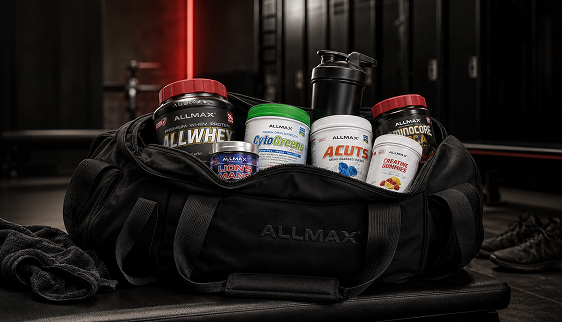
ALLMAX CytoGreens Super Green Powder is a greens formula that combines spirulina (approximately 1,665 mg per serving), cracked-cell chlorella (approximately 459 mg per serving), organic matcha green tea, organic barley grass, spinach, a digestive enzyme complex, prebiotic inulin, and an adaptogen blend including cordyceps and reishi. It comes in flavors like Acai Berry Green Tea, Chocolate flavor, and Orange Vanilla.
CytoGreens uses cracked-cell chlorella, aligning with human evidence showing improved protein and nutrient access from disrupted cell walls. The Cytozymes enzyme complex is designed to support digestion and absorption for active adults.
An important distinction: while the individual ingredients in CytoGreens are informed by ingredient-level research, the finished product itself has not been clinically tested for every outcome discussed earlier. Ingredient research is not product research.
Why Combine Spirulina and Chlorella?
Many formulators choose to include both because their profiles are complementary. Spirulina offers phycocyanin and higher digestible protein; chlorella brings more carotenoids, chlorophyll, and potentially different micronutrient ratios. Combining them in a single scoop increases the variety and coverage of plant compounds.
However, this combined approach is not yet backed by robust human trials specifically testing the spirulina-plus-chlorella combination versus each ingredient alone for defined clinical endpoints. It is a pragmatic, nutritionally logical choic but not a clinically proven synergy. Think of it as a way to ensure you get a broader pigment and nutrient spectrum in one convenient serving.
How to Use a Superfood or Greens Powder in Daily Life
Consistency and overall diet quality matter more than exact timing. There is no magic "detox hour." Here are practical ways to fit a greens powder into your day.
Mix With Water or a Low-Calorie Beverage
Start with one scoop mixed into cold water using a shaker bottle to minimize clumping. This is the simplest, most convenient way to ensure consistent daily intake. It is easy to do and takes under a minute.
Add to a Smoothie or Post-Workout Shake
Pair a greens powder with whey protein isolate or plant protein, frozen fruits, banana, and milk or a non-dairy alternative for a nutrient-dense meal. This is an easy way for athletes to stack protein, carbohydrates, and phytonutrients in one delicious recipe. Find more ideas in these greens powder smoothie recipes.
Incorporate Into Breakfasts and Snacks
Stir greens powder into yogurt bowls, overnight oatmeal, or chia puddings. Avoid excessive heat to preserve delicate compounds. Experimenting with flavors, like CytoGreens Acai Berry Green Tea versus Chocolate, helps with long-term adherence.
Does a Greens Powder Replace a Multivitamin?
Greens powders and multivitamins serve different roles and are not automatically interchangeable. Multivitamins deliver specific vitamins and minerals at defined doses near daily values. Greens powders emphasize whole-food concentrates and phytonutrients with variable vitamin and mineral content.
An athlete might use both: a targeted multivitamin for baseline micronutrient coverage, plus a greens powder for additional plant compounds. Review labels-including any added vitamins in your greens powder-and consult a healthcare provider if combining multiple supplements with overlapping nutrients.
Can Spirulina and Chlorella Help With Energy?
There is a difference between "energy" as calories or stimulant effects and perceived vitality related to overall nutritional status. Spirulina and chlorella provide small amounts of calories, protein, and micronutrients, but they are not stimulants. They should not be marketed as instant energy drinks or a boost equivalent to caffeine.
Greens powders can support overall nutrition, which may indirectly influence how energized you feel over time. But training load, sleep, and total calorie intake are the primary factors.
Spirulina and Chlorella Safety and Who Should Be Cautious
Spirulina and chlorella are generally well tolerated for most healthy adults at typical supplemental doses (1–10 g per day in most studies). Both supplements may cause mild digestive upset when first introduced to the diet, including gas, changes in stool color, or nausea.
Anyone with known allergies or sensitivities to algae should avoid these supplements. Contamination concerns, such as heavy metals, microcystins, occasional pharmaceutical residues, have been documented in a minority of commercial products, reinforcing why reputable sourcing and testing matter. To see the certificates of analysis for all ALLMAX products, visit verifiedforsport.com.
Extra caution and professional consultation is recommended for people who are:
Pregnant or breastfeeding
Managing autoimmune conditions
Taking immunosuppressive or anticoagulant medications
Living with chronic kidney or liver disease
Managing phenylketonuria (spirulina contains phenylalanine)
This article is educational and not a substitute for personalized medical advice.
Spirulina and Chlorella FAQ
What is the difference between spirulina and chlorella?
Spirulina is a prokaryotic cyanobacterium rich in phycocyanin and digestible protein. Chlorella is a eukaryotic green alga with higher chlorophyll, carotenoids, and a tough cell wall that requires cracking for better nutrient access.
Which is better, spirulina or chlorella?
Neither is universally better. Spirulina has stronger meta-analytic evidence for blood pressure and lipid improvements. Chlorella offers more chlorophyll, carotenoids, and certain minerals. Your choice depends on your goals.
What are the benefits of spirulina and chlorella?
Research suggests potential support for cardiometabolic markers, antioxidant status, and nutritional adequacy. Evidence is outcome-specific and emerging, not a guaranteed cure for any condition.
Is spirulina high in protein?
Yes. Spirulina contains approximately 60% protein by weight and provides all essential amino acids.
Is chlorella high in protein?
Yes. Chlorella typically contains 45–60% protein by dry weight with all essential amino acids, though digestibility depends on cell-wall processing.
Do spirulina and chlorella detox the body?
There is no strong human evidence that either performs whole-body detoxification. Your liver and kidneys handle normal metabolic waste. Chlorella can bind to heavy metals in laboratory settings, but this does not prove a clinical "detox" effect.
Can spirulina and chlorella replace vegetables?
No. They provide concentrated nutrients and pigments but lack the fiber, water, volume, and phytochemical variety of whole vegetables and fruits.
Is cracked-cell chlorella better?
Human research shows that split-cell or cracked-cell chlorella provides better amino acid availability than intact-cell chlorella. It is generally preferred in supplements, though "100% absorption" claims are overstated.