

Author: Dr. Trevor Kouritzin
Dr. Trevor Kouritzin holds a Doctorate in Medicine, a Master’s degree in Human Nutrition, and a Bachelor’s degree in Chemical Engineering. During his academic career, Trevor actively pursued competitive bodybuilding, ultimately earning a pro card, while also participating in various team sports. He is deeply passionate about the clinical and therapeutic applications of dietary supplements for enhancing health, performance, and overall quality of life.
For many healthy adults, 200 mg of caffeine is a moderate dose - not small, but well within commonly accepted safety guidelines. It’s roughly half of the 400 mg daily amount the FDA says is not generally associated with negative effects for most adults, but whether 200 mg feels like a lot depends on your caffeine sensitivity, body weight, genetics, medications, and how much caffeine you’ve already had that day.
If you use coffee, energy drinks, pre-workout, or other supplements for energy, performance, or general wellness, that difference matters: 200 mg can improve alertness and training for some people, while pushing others toward jitters, a rapid heartbeat, poor sleep, or too much total caffeine by the end of the day. Below, you’ll see how a 200 mg dose compares across common caffeine sources, how long its effects usually last, when it makes sense before a workout, how tolerance changes the experience, and how to stay within a safe daily intake.
Is 200mg of Caffeine a Lot?
The short answer: 200 mg of caffeine is considered moderate for a healthy adult. It's roughly half of the 400 mg daily ceiling that the FDA considers generally safe for most adults.
But context matters. There's a meaningful difference between:
200 mg as a single dose - a moderate hit of caffeine taken at once
200 mg as your total daily caffeine consumption - a relatively restrained day
Multiple 200 mg servings stacked across the day - which can quickly push you to 600–800 mg, well above typical recommendations
For someone who rarely uses caffeine, 200 mg may feel strong, potentially causing jitters or a racing heart. For a habitual coffee drinker who already consumes four cups of coffee daily, it may feel like a normal pick-me-up. Timing also plays a role: 200 mg with your morning cup is very different from 200 mg at 4 PM when it can interfere with sleep.
How Much Caffeine Intake Is 200mg?
Knowing how much caffeine is in 200 mg becomes easier when you compare it to popular beverages and dietary supplements you may already use. Caffeine is found in coffee, tea, and chocolate, and can also be present in energy drinks and soft drinks. It's naturally found in coffee beans, tea leaves, cacao beans, and kola nuts.
Here's an approximate comparison (caffeine content varies by brand, preparation, and serving size):
Source |
Approximate Caffeine |
Brewed coffee (8–12 oz) |
~95–200 mg |
Espresso (1 shot / 1 oz) |
~60–75 mg |
Black tea (8 oz) |
~40–70 mg |
Cola / soft drinks (12 oz) |
~30–45 mg |
Energy drinks (8–16 oz) |
~80–200+ mg |
Pre workout serving |
~150–300 mg |
Caffeine tablet |
100–200 mg per pill |
As a rough comparison, 200 mg may be equivalent to about two cups of brewed coffee or roughly 2–3 espresso shots, but caffeine content varies substantially by product and preparation. Even decaffeinated coffee still contains 2 to 15 mg of caffeine per cup, so decaf coffee isn't truly caffeine-free.
Check labels on energy drinks, pre-workouts, fat burners, and caffeine supplements carefully. Many packaged foods and caffeinated beverages contain added caffeine beyond what you might expect, and serving sizes can vary widely.

What Does 200mg of Caffeine Feel Like?
The effects of caffeine at 200 mg vary from person to person depending on tolerance, genetics, sleep quality, and recent caffeine consumption. Caffeine can cause increased alertness and energy levels in most people, but the experience isn't universal.
Potential positive effects:
Increased alertness and reduced fatigue, helping you stay alert during demanding tasks
Sharper focus and improved reaction time
Greater perceived energy and motivation to stay motivated through workouts or long work sessions
During exercise, the same effort may feel slightly easier
Potential unwanted effects, especially in caffeine-sensitive individuals:
Consuming 200 mg of caffeine can cause jitteriness and anxiety
Restlessness and difficulty sitting still
Caffeine can increase heart rate and blood pressure temporarily
Excessive caffeine can cause anxiety and panic attacks in susceptible people
Stomach upset or nausea
Mild diuretic: caffeine can increase urination in some circumstances, although typical moderate caffeine intake does not necessarily cause meaningful fluid loss
Difficulty falling asleep if consumed too late
Regular caffeine users often build tolerance, meaning they feel less caffeine's effects from 200 mg over time. However, they may also experience withdrawal symptoms - headaches, fatigue, and mood changes - if they suddenly cut their daily caffeine consumption. Start with less caffeine and pay attention to how your body responds rather than copying someone else's dose.
How Long Does 200mg of Caffeine Last?
Caffeine is absorbed quickly after consuming caffeine orally, with noticeable effects often beginning within 30-60 minutes. Peak caffeine levels in the blood typically occur around 45–60 minutes after intake.
Here's the general timeline:
~30 minutes: Effects start becoming noticeable
~45–60 minutes: Peak blood concentration
3–7 hours: Caffeine's half-life, meaning half of dose is still in your system, although it varies considerably between individuals
Caffeine binds to adenosine receptors, preventing deep sleep, even after the subjective "buzz" wears off. Just because you no longer feel energized doesn't mean caffeine is gone - it can still affect your sleep and resting heart rate for hours. Caffeine can lead to sleep disturbances and insomnia, and excessive caffeine can lead to insomnia and restlessness.
Factors influencing duration include age, liver function, genetics (fast vs. slow metabolism), smoking status, certain medications, and pregnancy, which often slows caffeine clearance substantially.
Is 200mg of Caffeine Good Before a Workout?
Many pre workout products include caffeine because of its potential to enhance exercise performance. Research suggests that effective ergogenic doses typically fall in the 3–6 mg/kg body weight range, which for a 70–80 kg person means roughly 210–480 mg. A 200 mg dose sits right at the lower end - enough to provide benefit without excessive side effects for many people.
Potential benefits of taking 200 mg about 30–60 minutes before training:
Increased alertness and readiness to train
Greater perceived energy supporting higher training intensity
Reduced perception of effort during both endurance and strength work
More caffeine is not automatically better. Higher doses increase the risk of heart palpitations, anxiety, and GI distress - which can hurt performance. Account for your total daily caffeine intake: a 200 mg pre workout on top of several cups of coffee and energy drinks can push you past 400 mg quickly.
If you train in the evening, be especially cautious. A 200 mg dose taken too close to bedtime may significantly disrupt sleep and recovery. For those interested in broader pre-workout strategies, consider how caffeine fits alongside ingredients like creatine and BCAAs.
When Should You Take 200mg of Caffeine?
The best time depends on your schedule, goals, and sensitivity. Even small amounts of caffeine can disturb sleep patterns if consumed several hours before bedtime.
Morning: 200 mg can support wakefulness and early workouts. Popular scientists, like Dr. Andrew Huberman, suggest waiting 60–90 minutes after waking to let natural cortisol peak first.
Work or study: 100–200 mg before demanding cognitive tasks works well. If you're sensitive to jitters, try splitting the dose - 100 mg early, 100 mg later.
Pre workout: 30–60 minutes before training aligns with peak caffeine levels in the blood.
Evening: Taking 200 mg in the late afternoon or evening may impair your ability to fall asleep, reduce deep sleep, and lead to next-day fatigue. Caffeine can keep you from sleeping and can lead to reduced daytime alertness due to sleep disturbance.
If caffeine affects your sleep, consider setting a personal caffeine cut-off several hours before bedtime. If sleep quality is a concern, consider a natural sleep aid to support recovery on the other end.
200mg of Caffeine vs. Coffee and Energy Drinks
Many people drink coffee as their primary caffeine source, but there's a wide variation between relying on brewed coffee and using a standardized 200 mg caffeine dose.
Coffee:
Caffeine content varies widely by bean type, roast, grind, brew method, and serving size
One 12 oz brewed coffee might deliver anywhere from 150 to 250 mg
Includes antioxidants, oils, and acids with their own health effects
Enjoyable as a ritual, but makes precise daily caffeine consumption harder to track
Often includes added sugars and cream, adding calories
Caffeine tablets:
Provide a set amount of caffeine per serving, making it easy to know your exact intake
Portable and convenient for travel or pre workout use
Zero sugar and zero calories
Lack the flavor and extra compounds some coffee drinkers enjoy
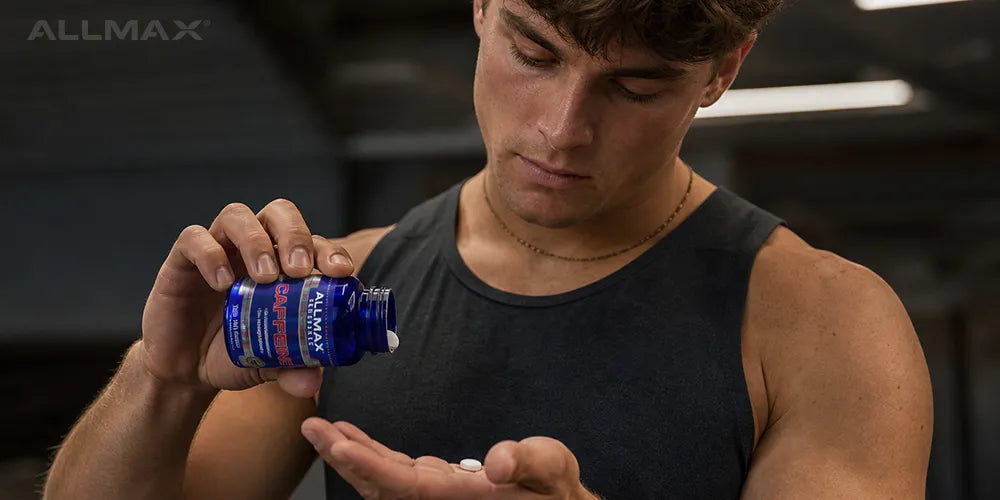
ALLMAX Caffeine 100 Tablets provide 200 mg of caffeine anhydrous per tablet with zero sugar and zero calories, making them a precise option for people who want to track their total caffeine intake carefully before workouts, during study sessions, or whenever more coffee isn't practical.
Neither coffee nor tablets are inherently better. Choose what fits your lifestyle and lets you manage caffeine consumption responsibly.
Where to Buy 200mg Caffeine Online
If you decide to buy 200mg caffeine online, look for products that clearly state the caffeine content per tablet so you can manage your daily caffeine intake accurately.
Key things to check:
Transparent Supplement Facts panel showing 200 mg caffeine per serving
Reputable manufacturer with quality-control practices
Clear directions for use, including maximum daily servings
No misleading claims about zero side effects or unrealistic performance promises
ALLMAX Caffeine 100 Tablets are one example - a single-ingredient, 200 mg caffeine anhydrous tablet from a sports nutrition brand focused on performance and transparency. Regardless of which brand you choose, count all sources of caffeine - coffee, tea, energy drinks, pre workouts, fat burners, and caffeine supplements - toward your total daily caffeine consumption.
How Much Caffeine Is Too Much?
Individual tolerance varies, but most health authorities suggest up to about 400 mg per day from all sources is not associated with negative effects for most healthy adults. Multiple 200 mg doses add up fast:
2 × 200 mg = 400 mg - the commonly cited upper limit
3 × 200 mg = 600 mg - above typical recommendations, with increased risk of negative effects
Pregnant women should limit caffeine intake to 200 mg per day. Children and teenagers have much lower safe limits and should avoid high-caffeine products like energy drinks. Some medications and dietary supplements contain added caffeine that may not be obvious.
Signs you may be consuming too much caffeine: persistent anxiety, fast or irregular heartbeat, insomnia, frequent stomach upset, or feeling dependent with withdrawal symptoms when you miss a dose.
Very high doses of caffeine can cause serious or potentially life-threatening toxicity. Pure or highly concentrated caffeine products are particularly hazardous and should be avoided. If you're experiencing negative effects, stop using caffeine and seek medical advice as appropriate. People who consume caffeine regularly may experience withdrawal symptoms when they reduce intake.
Who Should Be More Careful With Caffeine?
While 200 mg is moderate for many adults, certain groups should limit caffeine consumption or seek individualized advice:
Pregnant or breastfeeding individuals: pregnant women should limit caffeine to 200 mg per day, as caffeine crosses the placenta and passes into breast milk
People with cardiovascular issues: those with high blood pressure, arrhythmias, or heart disease should consult their doctor before using caffeine supplements
Individuals with anxiety or insomnia: caffeine may worsen anxiety symptoms or sleep quality
People on certain medications: stimulants, some asthma medications, and herbal teas or supplements with stimulant properties can interact with caffeine and amplify side effects
Children and teenagers: smaller body weight means a higher relative dose; herbal teas and caffeine-containing beverages should be monitored
This article cannot replace personalized medical advice. If you have health conditions or questions about how caffeine may affect your body, food intake, or blood glucose levels, speak with a qualified healthcare professional.
Frequently Asked Questions
Is 200mg of caffeine a lot?
For many healthy adults, 200 mg is a moderate caffeine dose - about half of the commonly cited 400 mg daily limit. It may feel like a lot for people who are smaller, caffeine-sensitive, or rarely consume caffeine.
Is 200mg of caffeine safe?
A 200 mg single dose is generally considered safe for many healthy adults when total daily caffeine intake stays within recommended limits. It may not be appropriate for pregnant individuals or those with certain medical conditions.
Is 200mg of caffeine too much before a workout?
It's a common pre workout dose, but suitability depends on body weight, tolerance, other caffeine sources that day, and training time. Some people do better with lower doses to avoid jitters.
How long does 200mg of caffeine last?
Effects typically start within about 30 minutes and can last several hours. With a half-life of around 3–7 hours, caffeine may still be in your body well into the evening, potentially affecting sleep.
How much coffee is 200mg of caffeine?
Roughly one large (12–16 oz) brewed coffee or about 2–3 espresso shots, though actual caffeine content in coffee varies widely by brand, roast, and brewing method.
Can 200mg of caffeine affect sleep?
Yes. When taken within 6–8 hours of bedtime, 200 mg of sleep caffeine effects may make it harder to fall asleep and reduce deep sleep, even if you no longer feel wired.
Can I buy 200mg caffeine online?
Yes. Many retailers sell 200 mg caffeine tablets online. Choose reputable brands with clear labeling of caffeine content per serving and follow directions to avoid exceeding healthy daily caffeine consumption. ALLMAX Caffeine 100 Tablets are one example of a clearly labeled 200 mg caffeine supplement from a sports nutrition brand focused on performance.
4. Engage Your Core Throughout the Day
A strong core is functional, not just aesthetic. Practice engaging your core during daily activities, weightlifting, and cardio for better control and stability.
5. Don't Neglect Nutrition
A strong core won’t show if it’s hidden under excess fat. Combine your workouts with a balanced diet to reveal definition.