

Anna Kasztenny, MSc.
Anna holds a Master’s degree in Bio-Pharmaceutical Science and Business Studies and a Bachelor of Medical Science with an Honors Specialization in Pharmacology. Alongside her academic background, she is a competitive bodybuilder and strength athlete who holds three provincial powerlifting records. As a former competitive gymnast and varsity cheerleader, she is passionate about health, performance, and evidence-based wellness.
Building muscle requires more than simply taking supplements. Progressive resistance training, adequate protein and calorie intake, carbohydrates, and quality recovery all play important roles in supporting muscle growth. However, the right muscle building supplements can help fill nutritional gaps, support training performance, and make it easier to consistently meet your goals.
A build muscle stack combines complementary supplements that target different aspects of training, from protein intake and strength to workout fuel and body composition.
The ALLMAX Build Muscle Stack combines Isoflex Whey Protein Isolate, Creatine Monohydrate, Carbion+, and Leucine to support muscle growth, training performance, recovery, and body composition.
In this guide, we'll break down the role of each supplement, how they work together, and when to take them as part of a structured muscle-building routine.
What Are Muscle Building Supplements?
Muscle building supplements are products designed to complement resistance training and a well-balanced diet by providing nutrients or ingredients that may support muscle growth, strength, performance, or recovery.
Some of the most well-researched options include protein supplements and creatine. Other supplements, such as carbohydrate powders, can help support training fuel and recovery when exercise demands are high.
The key is understanding that supplements work alongside proper training and nutrition rather than replacing them.
A well-designed build muscle stack should complement the fundamentals of muscle growth:
Progressive resistance training to provide a consistent stimulus for muscle hypertrophy.
Adequate daily protein to support muscle protein synthesis and adaptation to resistance training.
Sufficient energy and carbohydrate intake to support training performance, recovery, and overall nutritional needs.
Quality sleep and recovery to help manage training stress and support performance and recovery.
Consistent supplementation, when appropriate, as a complement to, not a replacement for, training and nutrition.

What Is a Build Muscle Stack?
A build muscle stack is a combination of supplements selected to support different parts of a muscle-building program.
Instead of relying on one product, a stack can address several nutritional and performance needs. For example, protein can help you reach your daily protein target, creatine can support strength and high-intensity performance, and carbohydrates can provide fuel during demanding workouts.
The goal isn't to take as many supplements as possible. A better approach is to choose muscle building supplements that have distinct roles and fit your individual training and nutrition needs.
The Best Muscle Building Supplements for a Lean Mass Stack
The ALLMAX Lean Mass Stack combines four products, each intended for a different role in supporting lean mass goals:
Isoflex Whey Protein Isolate – protein intake and muscle recovery
Creatine Monohydrate – strength, power, and high-intensity exercise performance
Carbion+ – carbohydrate and electrolyte support for training
Leucine – leucine supplementation to support muscle protein synthesis and muscle-building goals.
This stack is not meant to cover every possible muscle-building supplement category.
Together, these products can complement a structured approach to building and maintaining lean muscle.
1. Isoflex Whey Protein Isolate
Protein is one of the most important nutrients to prioritize when building muscle. Isoflex Whey Protein Isolate provides 27 grams of protein per serving and contains all nine essential amino acids, including leucine, an amino acid involved in stimulating muscle protein synthesis.
Whey protein isolate can also be a convenient way to increase your daily protein intake. Compared with whey protein concentrate, whey protein isolate generally provides a higher proportion of protein with less carbohydrate, fat, and lactose.
Since whey protein is rapidly digested and provides essential amino acids, it can be especially convenient after resistance training. However, the most important factor is meeting your overall daily protein needs, rather than relying on a specific post-workout window.
For a build muscle stack, Isoflex provides the protein foundation that supports muscle repair and growth alongside resistance training.
2. Creatine Monohydrate
Creatine monohydrate is one of the most extensively researched muscle building supplements available.
ALLMAX Creatine Monohydrate provides 5 grams of micronized creatine monohydrate per serving.
Creatine primarily supports ATP production by increasing the amount of phosphocreatine stored in muscle. Phosphocreatine helps rapidly regenerate ATP, the primary energy source used during high-intensity muscle contractions.
By supporting ATP regeneration, creatine can help support strength, power output, and the ability to perform high-quality work during resistance training. By supporting high-intensity exercise performance, creatine may help you maintain productive resistance-training sessions over time, which can contribute to adaptations such as increases in lean muscle mass.
Creatine can also increase water retention within muscle cells, which may contribute to greater muscle volume and a fuller appearance.
For most people, consistency matters more than taking creatine at a specific time of day. Taking it regularly helps maintain elevated muscle creatine stores.
3. Carbion+ for Workout Fuel
Carbohydrates provide an important source of energy during high-intensity exercise. Carbion+ is designed to provide carbohydrate and electrolyte support before, during, or after training. Research on nutrient timing suggests that carbohydrate intake around training can be particularly useful for supporting glycogen availability and recovery when training demands are high.
The formula provides 25 g of carbohydrates per serving from multiple carbohydrate sources, including highly branched cyclic dextrin (Cyclo-D™), PER4ORM™ phased-release dextrin, and AWM2300™ waxy maize. Each serving also provides:
190 mg sodium
100 mg potassium
60 mg magnesium
30 mg calcium
Carbohydrate availability can be particularly relevant during high-volume or prolonged training, when muscle glycogen demands are greater. Research suggests that carbohydrate intake may help support resistance-training performance when workouts involve higher volumes or last longer, although the benefit is less consistent for shorter, standard resistance-training sessions performed in a fed state.
For shorter, standard resistance workouts, an intra-workout carbohydrate supplement may not be necessary for everyone. However, Carbion+ may be a useful option for individuals with higher training volumes, longer sessions, or increased carbohydrate and electrolyte needs around demanding workouts.
4. Leucine for Muscle Protein Synthesis
Leucine is an essential amino acid (EAA) that plays an important role in regulating muscle protein synthesis. It acts as a nutritional signal that helps activate the mTOR pathway, which is involved in initiating the process of building new muscle proteins.
ALLMAX Leucine provides 100% pure, micronized L-leucine in a convenient powder format. Because leucine is one of the essential amino acids involved in muscle protein synthesis, ensuring adequate leucine intake can help support muscle-building and recovery goals when combined with sufficient overall protein intake and resistance training.
Leucine can be particularly relevant when building a muscle stack because it complements complete protein sources such as whey protein. While whey protein already provides leucine along with the other essential amino acids needed for muscle protein synthesis, supplemental leucine can provide an additional source of this key amino acid.
ALLMAX recommends taking one serving twice daily, including one serving immediately after intense activity. It can be mixed into an Isoflex protein shake, flavored beverage, or juice. Since pure leucine can have a slightly bitter or tart taste and may not dissolve immediately, using a blender can improve mixing.
For a build muscle stack, Leucine is an essential amino acid involved in muscle protein synthesis; its role should be considered alongside adequate total protein and all essential amino acids to support lean mass development.
How Do Muscle Building Supplements Work Together to Support Muscle Protein Synthesis?
The advantage of a well-designed build muscle stack is that each supplement can serve a different purpose.
| Supplement | Primary Role | How It Supports Your Training |
|---|---|---|
| Isoflex | Protein Intake | Provides amino acids to support muscle repair and growth. |
| Creatine Monohydrate | ATP Production | Supports strength, power, and high-intensity exercise performance. |
| Carbion+ | Carbohydrates + Electrolytes | Provides carbohydrates and electrolytes to support demanding workouts and hydration. |
| Leucine | Muscle Protein Synthesis | Provides leucine to complement adequate complete-protein intake and support muscle protein synthesis. |
Protein provides the amino acids required for muscle repair and growth. Creatine supports ATP regeneration during high-intensity exercise. Carbohydrates provide fuel for demanding workouts, while electrolytes support hydration. Leucine is an essential amino acid that helps stimulate muscle protein synthesis through mTOR signaling, complementing adequate protein intake and resistance training.
This makes the stack more comprehensive than relying on a single supplement.
How to Take a Build Muscle Stack
There's no need to make supplement timing overly complicated. Your daily nutrition, training consistency, and overall intake matter more than trying to perfectly time every supplement.
Before Your Workout
Carbion+ can be used before training to provide carbohydrate and electrolyte support. Some people also pair their stack with a pre-workout for additional energy and focus before intense gym sessions, if that fits their routine.
During Your Workout
For longer or higher-volume training sessions, Carbion+ can be used during exercise to provide carbohydrates and electrolytes that support training fuel and hydration.
For a typical shorter resistance workout, intra-workout carbohydrates may not be necessary when you are already consuming enough carbohydrate from your diet.
After Your Workout
Isoflex Whey Protein Isolate is a convenient post-workout protein source, providing essential amino acids after training. It can be especially useful when you are not ready for a full food-based meal right away. Isoflex provides essential amino acids, including leucine, to support muscle protein synthesis and recovery.
Leucine can be taken alongside your post-workout protein or as directed on the product label. Because whey protein already provides leucine, supplemental leucine is best viewed as an addition to an overall protein-focused nutrition strategy rather than a replacement for complete protein sources.
Creatine can also be taken after training, although it does not need to be consumed immediately post-workout. The goal is consistent daily intake to maintain muscle creatine stores.
On Rest Days
Your muscle building supplements don't necessarily need to be limited to training days.
Creatine, in particular, should be taken consistently each day to maintain elevated muscle creatine stores. Protein intake should also remain consistent because muscle recovery and adaptation continue between workouts.
Nutrition Still Comes First
Even the best muscle building supplements cannot replace a strong nutrition and training plan.
To support lean muscle growth, prioritize:
Adequate protein: Provides essential amino acids that support muscle protein synthesis. The general RDA for healthy adults is 0.8 g/kg of body weight per day, while most people who exercise regularly may benefit from approximately 1.4–2.0 g/kg/day, depending on training demands and goals.
Sufficient calories: A modest calorie surplus can support muscle growth, while keeping the surplus controlled may help limit unnecessary fat gain.
Carbohydrates: Help provide fuel for demanding training and replenish muscle glycogen after exercise.
Dietary fats: Provide an important source of energy and essential fatty acids while supporting normal physiological functions.
Hydration: Supports normal physiological processes and exercise performance.
Sleep and recovery: Give your body adequate time to recover and adapt to training. Most adults should aim for 7–9 hours of sleep per night, as sufficient sleep supports recovery, physical performance, and overall health.
Research in resistance-trained individuals suggests that a modest calorie surplus may support muscle and strength gains while helping limit unnecessary fat accumulation compared with larger surpluses.
The supplements should fit into this foundation, not replace it, and consistently consuming enough protein across the day matters more than relying on supplements alone. Broader health support, including collagen supplements that may improve joint function and recovery, still comes after the basics.
Who Can Benefit From a Build Muscle Stack for Muscle Growth?
A build muscle stack may be useful for people who are:
Trying to increase lean muscle mass
Following a structured resistance-training program
Looking to improve strength and workout performance
Having difficulty reaching their daily protein target
Training at higher volumes, including gym-goers working through intense training blocks
Working toward a lean bulk
Focused on body recomposition
Some people, including bodybuilders, may use other stack formats such as mass gainer stacks with high-quality EAAs and BCAAs, but those are intended for different nutrition needs than this lean-mass stack; BCAAs are also commonly used to help reduce post-exercise soreness and help limit muscle breakdown during exercise.
Beginners can also use individual muscle building supplements, but there's no requirement to start with a four-product stack. Establishing consistent training, nutrition, hydration, and sleep should come first.
The Bottom Line: Build a Smarter Muscle Stack
Building muscle starts with progressive resistance training, adequate nutrition, and recovery. The right supplements can then complement those fundamentals.
A well-rounded build muscle stack should focus on the roles that matter most for maximizing results, supporting muscle gains, and building muscle size over time:
Isoflex Whey Protein Isolate provides high-quality protein and essential amino acids.
Creatine Monohydrate supports ATP regeneration, strength, power, and training performance.
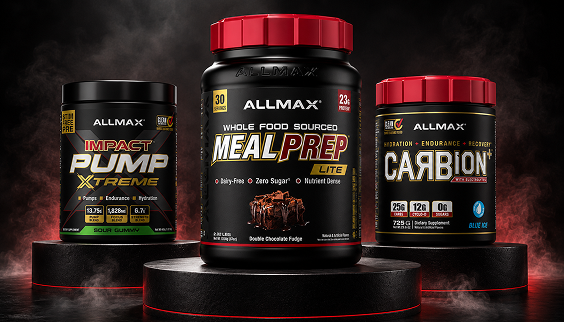
Carbion+ provides carbohydrates and electrolytes to support demanding workouts.
Leucine provides an essential amino acid that helps stimulate muscle protein synthesis and complements adequate protein intake and resistance training.
Rather than looking for a single product that does everything, choosing muscle building supplements based on their individual roles can help create a more practical and targeted approach.
Ultimately, consistency is what drives progress. Pair your supplement routine with progressive resistance training, sufficient protein and calories, quality sleep, and a sustainable nutrition plan to support long-term muscle growth and performance, while remembering supplements should support, not replace, your exercise program.
Frequently Asked Questions About Muscle Building Supplements
What are the best muscle building supplements?
Protein supplements and creatine monohydrate are among the most well-researched options for supporting muscle growth and resistance-training performance. Carbohydrate supplements may also be useful for fueling demanding workouts, depending on training volume and individual nutrition needs.
What should I include in a build muscle stack?
A basic build muscle stack can include whey protein and creatine. Depending on your training demands and goals, you may also consider carbohydrate and electrolyte support. Body-composition supplements can be added based on individual goals.
How does creatine help build muscle?
Creatine primarily supports ATP regeneration by increasing muscle phosphocreatine stores. This can support strength, power, and high-intensity exercise performance, helping you perform productive resistance training over time. Creatine may also increase water retention within muscle cells, contributing to increased muscle volume.
Is whey protein necessary to build muscle?
No. You can build muscle without whey protein. However, whey protein can be a convenient way to increase daily protein intake when it's difficult to get enough protein from whole foods. The RDA for healthy adults is 0.8 g/kg/day; people training for muscle growth often use higher protein targets based on body size, training, and goals.
When should I take creatine?
Creatine can be taken at any consistent time of day. The key is regular daily intake because its benefits are associated with maintaining elevated muscle creatine stores rather than an immediate pre- or post-workout effect.
Can I build muscle and lose fat at the same time?
It is possible in some circumstances, particularly for beginners, individuals returning to training, or those with higher body-fat levels. However, the approach depends on training status, nutrition, and individual goals. A well-structured resistance-training program and adequate protein intake are important for preserving and building lean mass.
Do I need supplements to build muscle?
No. Supplements aren't required to build muscle. Progressive resistance training, adequate protein and calorie intake, carbohydrates, and recovery are the foundation. Muscle building supplements can provide additional nutritional or performance support when they fit your individual needs, and BCAAs may help reduce muscle soreness after exercise and help prevent muscle breakdown during training.
These products are not intended to diagnose, treat, cure, or prevent any disease. Check the product label or brand website and consult a qualified healthcare professional before adding supplements or changing an exercise program; if you notice an adverse reaction such as stomach upset, stop use and review it with a professional.
Will creatine cause water retention?
Creatine can increase water retention within muscle cells. This is different from simply gaining body fat and can contribute to increased muscle volume and a fuller appearance. Safety concerns are typically evaluated by ingredient, rather than assuming all muscle-building supplements work the same way. Consistent intake and adequate hydration can help support normal creatine use.
References:
1: Gonzalez, J. T., Fuchs, C. J., Betts, J. A., & van Loon, L. J. C. (2016). Liver glycogen metabolism during and after prolonged endurance exercise. American Journal of Physiology-Endocrinology and Metabolism, 311(3), E543–E553. https://doi.org/10.1152/ajpendo.00126.2016
2: Morton, R. W., Murphy, K. T., McKellar, S. R., Schoenfeld, B. J., Henselmans, M., Helms, E., Aragon, A. A., Devries, M. C., Banfield, L., Krieger, J. W., & Phillips, S. M. (2018). A systematic review, meta-analysis and meta-regression of the effect of protein supplementation on resistance training-induced gains in muscle mass and strength in healthy adults. British Journal of Sports Medicine, 52(6), 376–384. https://doi.org/10.1136/bjsports-2017-097608
3: Stellingwerff, T., & Cox, G. R. (2014). Systematic review: Carbohydrate supplementation on exercise performance or capacity of varying durations. Applied Physiology, Nutrition, and Metabolism, 39(9), 998–1011. https://doi.org/10.1139/apnm-2014-0027
4: American College of Sports Medicine. (2026, March 18). Science spotlight | ACSM releases new position stand on resistance training. ACSM
5: Thomas, D. T., Erdman, K. A., & Burke, L. M. (2016). Position of the Academy of Nutrition and Dietetics, Dietitians of Canada, and the American College of Sports Medicine: Nutrition and athletic performance. Medicine & Science in Sports & Exercise, 48(3), 543–568. https://doi.org/10.1249/MSS.0000000000000852
6: Kellmann, M., Bertollo, M., Bosquet, L., Brink, M., Coutts, A. J., Duffield, R., Erlacher, D., Halson, S. L., Hecksteden, A., Heidari, J., Kallus, K. W., Meeusen, R., Mujika, I., Robazza, C., Skorski, S., Venter, R., & Beckmann, J. (2018). Recovery and performance in sport: Consensus statement. International Journal of Sports Physiology and Performance, 13(2), 240–245. https://doi.org/10.1123/ijspp.2017-0759
7: Jäger, R., Kerksick, C. M., Campbell, B. I., Cribb, P. J., Wells, S. D., Skwiat, T. M., Purpura, M., Ziegenfuss, T. N., Ferrando, A. A., Arent, S. M., Smith-Ryan, A., Stout, J. R., Arciero, P. J., Ormsbee, M. J., Taylor, L. W., Wilborn, C. D., Kalman, D. S., Kreider, R. B., Willoughby, D. S., Hoffman, J. R., Krzykowski, J. L., & Antonio, J. (2017). International Society of Sports Nutrition position stand: Protein and exercise. Journal of the International Society of Sports Nutrition, 14, 20. https://doi.org/10.1186/s12970-017-0177-8
8: Hoffman, J. R., & Falvo, M. J. (2004). Protein—which is best? Journal of Sports Science & Medicine, 3(3), 118–130. https://pmc.ncbi.nlm.nih.gov/articles/PMC3905294/
9: van Loon, L. J. C. (2013). Role of dietary protein in post-exercise muscle reconditioning. Nestlé Nutrition Institute Workshop Series, 75, 73–83. https://doi.org/10.1159/000345821
10: Kreider, R. B., Kalman, D. S., Antonio, J., Ziegenfuss, T. N., Wildman, R., Collins, R., Candow, D. G., Kleiner, S. M., Almada, A. L., & Lopez, H. L. (2017). International Society of Sports Nutrition position stand: Safety and efficacy of creatine supplementation in exercise, sport, and medicine. Journal of the International Society of Sports Nutrition, 14, 18. https://doi.org/10.1186/s12970-017-0173-z
11: Clark, J. F. (1997). Creatine and phosphocreatine: A review of their use in exercise and sport. Journal of Athletic Training, 32(1), 45–51. https://pmc.ncbi.nlm.nih.gov/articles/PMC1319235/
12: McMahon, S., & Jenkins, D. (2002). Factors affecting the rate of phosphocreatine resynthesis following intense exercise. Sports Medicine, 32(12), 761–784. https://doi.org/10.2165/00007256-200232120-00002
13: Kazeminasab, F., Bahrami Kerchi, A., Sharafifard, F., Zarreh, M., Forbes, S. C., Camera, D. M., Lanhers, C., Wong, A., Nordvall, M., Bagheri, R., & Dutheil, F. (2025). The effects of creatine supplementation on upper- and lower-body strength and power: A systematic review and meta-analysis. Nutrients, 17(17), 2748. https://doi.org/10.3390/nu17172748
14: Burke, L. M., & Deakin, V. (2000). Clinical sports nutrition (2nd ed.). McGraw-Hill.
15: Gollnick, P. D., & Matoba, H. (1984). Role of carbohydrate in exercise. Clinics in Sports Medicine, 3(3), 583–593. https://pubmed.ncbi.nlm.nih.gov/6571232/
16: Hamidvand, A., Delleli, S., Rothschild, J. A., Chenaghchi, F., Jafari, A., & Naderi, A. (2025). Acute effects of resistance exercise on skeletal muscle glycogen depletion: A systematic review and meta-analysis. Physiological Reports, 13(24), e70683. https://doi.org/10.14814/phy2.70683