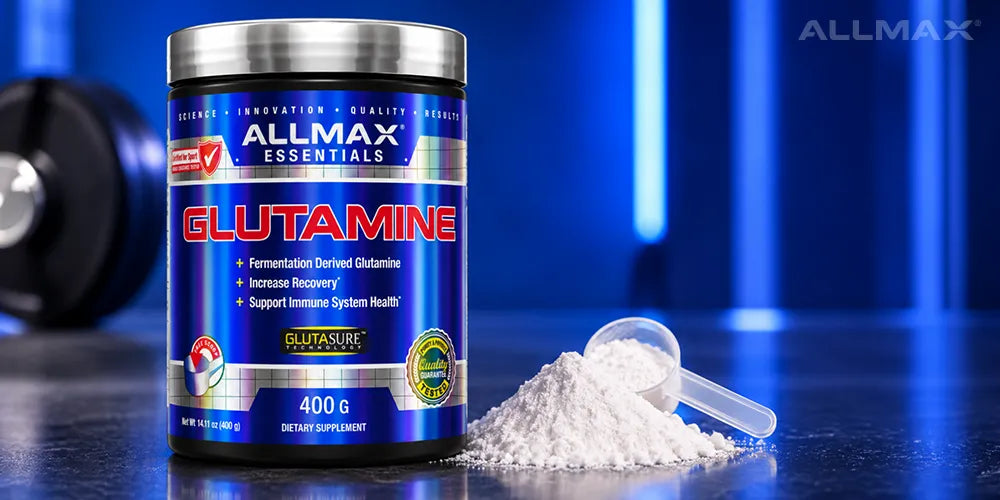

Glutamine is a key amino acid that supports immune health by fueling immune cells, maintaining gut integrity, and aiding recovery during stress and intense exercise. While the body produces it naturally, supplementation may benefit athletes and active individuals by helping sustain immune function, improve recovery, and support overall wellness during high-demand periods.
The immune system works constantly to defend the body from viruses, bacteria, and other potential threats. To perform these tasks effectively, immune cells rely on a steady supply of nutrients, including amino acids that help fuel cellular activity and support recovery processes.
Among these nutrients, glutamine plays an especially important role. As one of the most abundant amino acids in the human body, glutamine participates in several biological functions that influence immune health, metabolism, and recovery.
Glutamine is considered a conditionally essential amino acid because the body makes it naturally. However, during periods of increased metabolic stress—such as intense exercise, illness, or prolonged stress—natural production may be insufficient to meet increased physiological demands. During these periods, supplementing with glutamine can help support overall immune function and recovery.
For athletes, active individuals, and anyone focused on maintaining their health, understanding the relationship between glutamine and the immune system can provide insight into why glutamine supplements are widely used in sports nutrition.
In this article, we’ll explore five ways glutamine supports immune system health, including its role in fueling immune cells, supporting gut integrity, and helping the body recover from physical stress. Even healthy people can benefit from extra glutamine.

What Is Glutamine?
Glutamine is classified as a conditionally essential amino acid, meaning that under normal conditions the body makes enough of it to meet daily needs. The body can synthesize it internally, but during periods of physical stress or increased metabolic demand, the body may require more glutamine than it can produce on its own.
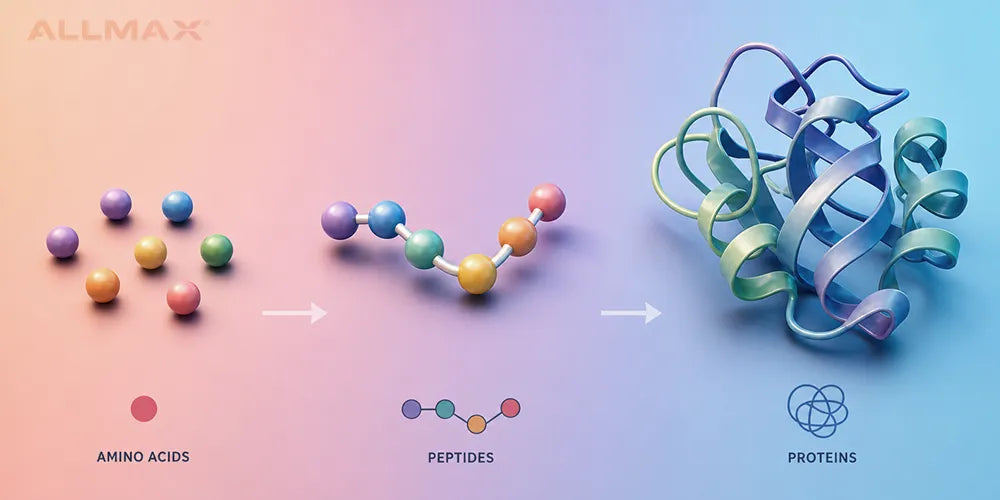
This amino acid is found throughout the body, with particularly high concentrations stored in muscle tissue and circulating in the bloodstream. In fact, glutamine is the most abundant amino acid in skeletal muscle tissue. Glutamine plays several important roles in metabolism, including supporting nitrogen transport, participating in protein synthesis, and serving as a fuel source for certain cells.
In addition to these metabolic functions, glutamine is also closely connected to immune health. Many immune cells rely on glutamine as an energy source, which allows them to grow, divide, and perform their protective functions effectively.
Glutamine can be obtained through a variety of dietary sources. Foods such as meat, fish, eggs, dairy products, and legumes all contain natural amounts of this amino acid. L-glutamine is the predominant form found in foods and dietary supplements, while D-glutamine is less common, structurally different, and rarely found in nature.
For most people consuming a balanced diet, these foods contribute to maintaining normal glutamine levels. However, during periods of intense training, illness, or prolonged stress, the body may utilize glutamine at a faster rate. This increased demand is one reason why athletes and highly active individuals often incorporate glutamine supplements into their nutrition routines. Glutamine is available as an over-the-counter dietary supplement in various forms, such as powders, capsules, and tablets.
Understanding how glutamine functions within the body helps explain why it has become one of the most widely used amino acid dietary supplements for supporting recovery, gut health, and immune system function.
1. Glutamine Fuels Immune Cells
One of the most important ways glutamine supports immune health is by acting as a fuel source for immune cells. Just like muscle cells require nutrients to function and repair themselves, immune cells also depend on specific nutrients to perform their roles in protecting the body.
Several types of immune cells, including white blood cells such as lymphocytes, macrophages, and neutrophils, rely heavily on glutamine as a fuel source. These cells are responsible for detecting potential threats, responding to infections, and coordinating the body’s immune defenses. Glutamine helps these immune cells work properly, especially during times of illness or stress. Blood levels of glutamine drop when you are sick or injured, which can reduce the immune cells' ability to defend your body.
During immune activation—such as when the body encounters a virus or bacteria—immune cells rapidly increase their activity and energy consumption. Glutamine helps meet this energy demand by serving as a metabolic fuel that supports cellular processes.
Research has shown that immune cells consume glutamine at relatively high rates compared with other amino acids. This demand highlights how important glutamine is for maintaining normal immune cell activity.
In addition to providing energy, glutamine also supports the growth and division of immune cells. When the immune system needs to respond quickly to a challenge, immune cells must multiply rapidly in order to mount an effective defense. Glutamine contributes to this process by supplying the building blocks required for cellular replication.
For individuals experiencing increased physiological stress—such as athletes undergoing intense training—maintaining adequate glutamine levels may help ensure that immune cells have the resources they need to function efficiently.
2. Glutamine Supports Gut Health — A Major Part of Immunity
Another key connection between glutamine and immune health lies in the digestive system. The gastrointestinal tract is closely linked to immune function, with a large portion of the body’s immune cells located within the gut.
In fact, many researchers estimate that approximately 70 percent of immune cells are associated with the gastrointestinal system. This means the health of the gut lining and intestinal environment plays an important role in maintaining immune balance.
The intestinal lining acts as a protective barrier that separates the contents of the digestive tract from the bloodstream. This barrier helps prevent harmful pathogens, toxins, and undigested particles from entering circulation. Low glutamine levels are common in certain health conditions and can compromise gut integrity, making it harder for the body to maintain this crucial barrier.
Glutamine serves as a primary fuel source for the cells that line the intestinal wall, known as enterocytes. These cells require a constant supply of energy in order to maintain the structural integrity of the gut barrier.
When adequate glutamine is available, these intestinal cells are better able to support the barrier function that helps keep harmful substances out of the bloodstream.
Maintaining the integrity of the gut lining is important because disruptions in this barrier can increase inflammation and place additional stress on the immune system. The immune system's strength and resilience are closely linked to gut health and maintaining a healthy microbiome. By supporting intestinal cell health, glutamine contributes to the overall relationship between gut health and immune function.
For this reason, glutamine is often discussed not only in the context of sports recovery but also as a nutrient involved in digestive and immune system support.

Glutamine and Inflammatory Bowel Disease
Glutamine plays a vital role in maintaining the health of the intestinal lining, which is especially important for individuals dealing with inflammatory bowel disease (IBD). Research suggests that glutamine supplementation may help relieve symptoms commonly associated with IBD, such as diarrhea, abdominal pain, and unintended weight loss. By supporting the integrity of the intestinal lining, glutamine helps reduce inflammation in the gut, which can otherwise lead to complications like nutrient malabsorption and a higher risk of infections.
While some studies suggest that taking glutamine supplements could offer possible benefits for those with IBD, more research is needed to fully understand its effectiveness and the best approach to supplementation. Because IBD can present unique health risks and symptoms, it’s essential to consult with a healthcare provider before starting any new supplement regimen. This ensures that your approach to glutamine supplementation is safe, effective, and tailored to your individual health needs. If you’re considering taking glutamine to support your gut health or manage IBD symptoms, a healthcare professional can help you determine the right dosage and monitor for any potential side effects.
3. Glutamine May Help Support Immune Function During Intense Exercise
Physical activity is widely recognized as beneficial for overall health. However, intense or prolonged exercise can temporarily place additional stress on the body, particularly when training volume or intensity is high.
During demanding workouts, the body increases the production of stress hormones and inflammatory signaling molecules as part of its normal adaptation process. While these responses are essential for building strength and endurance, they can also temporarily affect immune system activity.
Some researchers describe this period as an “open window,” during which immune defenses may be slightly reduced following intense exercise. During this recovery phase, the body prioritizes repairing muscle tissue and restoring energy stores.
One factor that may influence immune function during this time is the availability of glutamine. Studies have shown that blood levels of glutamine can decrease after prolonged or high-intensity exercise sessions.
Because immune cells rely on glutamine for energy, reductions in circulating glutamine levels may influence immune cell activity during the recovery period.
For athletes who train frequently or participate in endurance sports, maintaining adequate nutritional intake—including amino acids like glutamine—may help support recovery and overall immune balance during periods of heavy training. Glutamine may help with muscle recovery, but more research is needed to determine whether it can boost athletic performance.
This connection between exercise stress, recovery, and immune function is one of the reasons glutamine supplementation has become common among athletes and fitness enthusiasts.
4. Glutamine Plays a Role in Recovery and Stress Response
Glutamine also plays an important role in how the body responds to physiological stress. Situations such as intense exercise, illness, injury, or calorie restriction can all increase the body’s demand for nutrients involved in recovery and repair.
Under these conditions, glutamine becomes particularly important because it participates in several processes related to tissue maintenance and immune activity. Glutamine also helps maintain nitrogen balance, which is crucial for tissue repair and muscle growth.
Muscle tissue acts as the body’s largest reservoir of glutamine. During periods of stress, the body may release glutamine from muscle stores in order to support other tissues that require it.
These tissues include immune cells, intestinal cells, and organs involved in metabolic regulation. As a result, glutamine levels in the bloodstream may fluctuate depending on the body’s current needs.
Because glutamine supports both metabolic processes and immune activity, maintaining adequate availability of this amino acid may help the body respond more effectively to physical stress.
For individuals who train frequently or experience high levels of physical demand, ensuring consistent nutrient intake—including amino acids like glutamine—can be an important part of a balanced recovery strategy. Glutamine is considered safe for most people when taken in normal amounts, but high doses could lead to side effects.
Critical Illness and Glutamine Supplement
During periods of critical illness—such as severe burns, trauma, or sepsis—the body’s demand for glutamine increases dramatically, often leading to depleted glutamine levels. In these situations, glutamine supplementation can play a crucial role in supporting immune function and promoting overall health. Research shows that taking glutamine supplements during critical illness may help reduce complications, lower the risk of infections, and even decrease mortality rates in some cases.
Glutamine helps support the recovery of body tissues, promotes wound healing, and assists the immune system in responding to severe stress. Because critical illness can significantly impact nutrient needs and the body’s ability to recover, supplementing with glutamine may offer important health benefits. However, it’s essential to work closely with a healthcare provider when considering glutamine supplementation in these scenarios. A medical professional can help determine the optimal dosage, monitor for interactions with other medications, and ensure that supplementation supports your recovery and overall health without increasing risk.
5. Glutamine Supplements Provide Convenient Immune System Support
While glutamine is naturally present in many foods, glutamine supplements provide a convenient way to increase intake, particularly for individuals with higher nutritional demands. Dietary supplements can also help increase vitamin and mineral intake if dietary sources are insufficient.
Glutamine is commonly available in powdered form, making it easy to mix with water, juice, or protein shakes. Because it has a relatively neutral taste, it can be incorporated into many different nutrition routines.
Athletes often take glutamine supplements at times when the body may benefit most from additional amino acids, such as after workouts or between meals.
Typical supplement servings provide between 5 grams of glutamine, though specific intake levels may vary depending on individual goals and dietary habits.
Many athletes include glutamine alongside other recovery-focused supplements such as protein powders, branched chain amino acids, or electrolyte formulas. When combining glutamine with other supplements, it is important to consider potential interactions and consult a healthcare provider to ensure safe usage.
When choosing immune support supplements or any dietary supplements, it is essential to look for ingredient transparency, lab-tested products, and to read labels carefully to understand the ingredients and their amounts. This helps ensure quality, safety, and that you are making informed choices.
While supplements are not a replacement for a balanced diet, they can help support overall nutrient intake when used as part of a well-rounded nutrition plan.
Food Sources and Glutamine
Glutamine is naturally present in a wide variety of foods, making it accessible through a balanced diet. Animal-based food sources such as dairy products, meat, fish, and eggs are particularly rich in glutamine, while plant-based options like beans, nuts, and whole grains also contribute to your daily intake. However, the amount of glutamine found in these foods may not always be sufficient to support optimal immune function and overall health, especially for individuals facing critical illness or managing inflammatory bowel disease.
It’s also important to note that some foods contain glutamine in the form of glutamic acid, which the body may not absorb as efficiently. For those with increased nutritional needs or specific health conditions, dietary intake alone might not provide enough glutamine to meet the body’s demands. Consulting with a registered dietitian or healthcare provider can help you identify the best food sources of glutamine and determine whether supplementation is necessary to support your health goals. This personalized approach ensures you’re getting the right balance of nutrients to maintain immune function and overall wellness, whether through food, supplements, or a combination of both.
Who Might Benefit From Glutamine Supplements?
Although glutamine plays important roles throughout the body, certain groups may be particularly interested in glutamine supplementation.
Athletes and active individuals often experience higher levels of physical stress due to frequent training sessions. Ensuring adequate nutrient intake can help support recovery and overall wellness.
Endurance athletes, such as runners, cyclists, and triathletes, may also consider glutamine supplementation because prolonged exercise places additional demands on recovery processes.
Healthy adults should be aware of recommended intake limits and possible interactions when considering glutamine or other immune support supplements.
Prescription glutamine is used for specific medical conditions, such as sickle cell disease, where it can help reduce complications by improving red blood cell function and reducing vaso-occlusive crises. In hospital settings, especially in the intensive care unit, glutamine may be administered to patients with severe illness to support immune function and recovery. This can include delivery via tube feeding for those unable to eat normally, helping maintain gut health and promote healing during critical illness.
In addition, individuals with demanding schedules, travel commitments, or periods of high stress may find it beneficial to focus on nutrients that support immune health and recovery.
As with any supplement, glutamine is best used as part of a comprehensive nutrition strategy that includes balanced meals, adequate protein intake, and consistent hydration.
Always consult a healthcare provider before starting a new supplement regimen, as certain supplements can interact with medications.
Final Thoughts: Immune Health Benefits of Glutamine
The immune system relies on a wide range of nutrients to function effectively, and amino acids play an important role in supporting these biological processes. Glutamine, in particular, offers many benefits for immune support, gut health, and recovery, making it a valuable nutrient for athletes and anyone seeking to maintain optimal wellness.
Glutamine stands out among amino acids because of its involvement in several key areas related to immune health. From fueling immune cells and supporting gut barrier function to helping the body respond to physical stress, glutamine contributes to many aspects of recovery and defense. However, it's important to note that cancer cells also use glutamine for growth, which makes its role in cancer prevention and therapy complex and dependent on the stage of the disease.
Immune support supplements can also include a variety of vitamins (such as vitamin C, vitamin D, vitamin A, and vitamin E), zinc supplements, probiotics, ginseng, green tea, and NAC. Vitamin C is important for healthy immune function and acts as an antioxidant, while vitamin D supports immune health and may help reduce the risk of respiratory infections. Zinc is crucial for a healthy immune system and helps in making proteins and DNA; zinc supplements can help reduce the severity of cold symptoms if taken within 24 hours of the first signs of illness. Vitamin A and vitamin E also play key roles in supporting immune health and protecting cells from oxidative stress.
Probiotics support gut health by increasing the production of natural antibodies and antiviral substances, and may help reduce the risk and duration of upper respiratory tract infections. Ginseng and tea (especially green tea) may help the body fight viruses and other germs. N-acetylcysteine (NAC) helps replenish glutathione, the body's master antioxidant, reducing oxidative stress and inflammation. It also acts as a powerful mucolytic, breaking down mucus to support respiratory health.
For athletes and individuals with active lifestyles, maintaining adequate glutamine availability may help support overall wellness, particularly during periods of intense training or increased physical demand.
When combined with a balanced diet, proper recovery strategies, and consistent training habits, glutamine supplements can be a useful addition to a comprehensive approach to health and performance.