

Author: Dr. Trevor Kouritzin
Dr. Trevor Kouritzin holds a Doctorate in Medicine, a Master’s degree in Human Nutrition, and a Bachelor’s degree in Chemical Engineering. During his academic career, Trevor actively pursued competitive bodybuilding, ultimately earning a pro card, while also participating in various team sports. He is deeply passionate about the clinical and therapeutic applications of dietary supplements for enhancing health, performance, and overall quality of life.
Introduction: What Is Pectinase, Its Role in Plant Cells, and Why Does It Matter?
Pectinase is a digestive enzyme that breaks down pectin, a complex carbohydrate and soluble fiber found in the cell walls of many fruits and vegetables such as apples, citrus fruits, and berries. Pectin forms a gel-like matrix that gives plants their structure but can be difficult for the human digestive system to fully break down. By targeting pectin, pectinase helps break down plant cell wall components during food processing, improving the release of nutrients and compounds from plant-based ingredients, particularly those with high fiber content. This enzyme is widely used in broad-spectrum digestive enzyme supplements, including ALLMAX Nutrition’s Digestive Enzymes and CytoGreens formulas, to support digestion of plant-based meal components.
This blog covers what pectinase is, how it works in your gut, its benefits, safety considerations, who may benefit, and how it compares with other enzymes.
What Are Pectinase Enzymes?
Pectinase is a group of enzymes that break down pectin - a polysaccharide located in the middle lamella and primary cell wall of plants. Pectin is a type of soluble dietary fiber responsible for the firmness in an apple snack or the body of a citrus-heavy smoothie. You will also find pectin at work in jams, where its gel-forming properties thicken the product. It is naturally produced by plants during the ripening process and by fungi and bacteria that decompose plant material.
Industrially, pectinase is commonly made from fungi like Aspergillus niger through fermentation. It is an indispensable tool in the food and beverage industry, used to clarify juices and wine by reducing turbidity and improving filtration. Pectinase increases juice yield by breaking down pectin’s viscosity and helps release pigments and aromas in berry juices. It also aids in wine making by removing haze and enhancing flavor extraction. Beyond the kitchen, pectinase is involved in processing coffee and tea, highlighting its broad application.
In digestive enzyme supplements, pectinase is included to target pectin-rich plant foods, complementing protease (the enzyme that digests proteins), amylase (the enzyme that digests starches), and lipase (the enzyme that digests fats). Unlike structural fibers such as cellulose, pectin is more fermentable and can influence gut bacteria.
How Pectinase Acts in Digestion
When you eat fruits and vegetables, your digestive tract encounters sugars, starches, proteins, fats, and complex fibers embedded in the plant cell wall matrix. Different enzymes work on different targets: amylase for starches, protease for proteins, lipase for fats, and fiber-digesting enzymes like pectinase and hemicellulase for plant polymers.
Pectinase breaks down cell walls in fruits and vegetables through a specific process:
It recognizes and binds to pectin chains in the plant cell wall and middle lamella
It cleaves the molecular bonds within the pectin backbone
It produces smaller, more soluble fragments that disperse in digestive fluids, allowing water and other enzymes to contact enclosed nutrients
This breakdown makes plant tissue less gel-like and more accessible. By breaking down pectin within plant cell walls, pectinase helps modify the structure of plant-based ingredients during in vitro applications and food-processing processes, including changes to the plant fiber matrix.

Health Benefits of Pectinase
Most benefits of pectinase relate to how it supports the digestion of plant-based foods and the downstream effects on digestive comfort, nutrient availability, and gut environment. Keep in mind that pectinase is not a treatment for medical conditions, but it can support a broader strategy built on whole foods and mindful eating.
Supports Digestion of Plant-Based Foods Pectinase helps break down pectin, a soluble fiber found in the cell walls of many fruits and vegetables, including apples, citrus fruits, berries, and carrots. As part of multi-enzyme digestive formulations, pectinase complements other enzymes that target carbohydrates, proteins, and fats.
Pectinase in Food Processing: Nutrient and Compound Release In food processing, pectinase can help release compounds from plant ingredients by modifying pectin in the plant-cell-wall matrix. This effect has been well documented in food processing, where pectinase improves the extraction of compounds such as polyphenols and anthocyanins. While animal studies suggest pectinase-containing enzyme blends may improve nutrient digestibility, there is currently limited clinical evidence that pectinase supplementation alone enhances nutrient absorption in healthy humans.
May Help Reduce Digestive Discomfort High-fiber foods can cause digestive discomfort, including bloating and gas, for some individuals because undigested carbohydrates and fibers are fermented by gut bacteria in the colon. However, clinical research directly evaluating pectinase supplementation for reducing bloating or digestive discomfort in humans is currently limited.
Supports a Healthy Gut Environment Pectin is a fermentable soluble fiber that can serve as a substrate for beneficial gut microbes. During fermentation, these microbes produce short-chain fatty acids, including butyrate, which supports colon cell function and intestinal health.
Pectinase in Digestive Enzyme Supplements
Modern meals combine animal proteins, dairy, grains, legumes, and produce, each requiring different enzymes for efficient breakdown. That is why digestive enzyme supplements typically include multiple enzymes rather than a single ingredient. Pectinase is included in many multi-enzyme blends to address plant fibers, working alongside protease, amylase, lipase, and lactase.
Enzyme activity is measured in specific units (not milligrams alone), reflecting how actively the enzyme can perform under standardized conditions. In a supplement, pectinase is usually one part of a broader enzyme matrix rather than a standalone star.
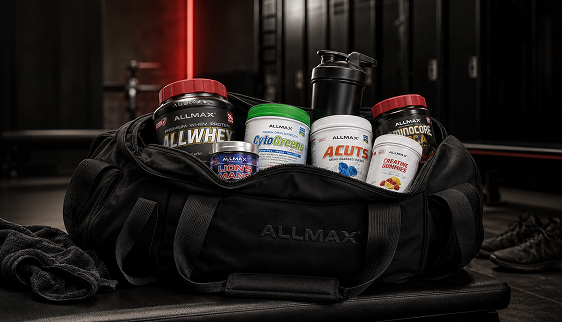
At ALLMAX Nutrition, we formulate evidence-informed products where digestive enzymes are chosen to support real-world eating patterns of active individuals. ALLMAX Digestive Enzymes provides an 11-enzyme formula - including pectinase - designed to support the breakdown of proteins, carbohydrates, fats, and plant fibers in a single serving. ALLMAX CytoGreens contains concentrated plant ingredients and a digestive enzyme blend that includes pectinase as part of its Cytozymes digestive-enzyme blend. Whether you are eating a high-volume mixed meal before training or building a greens smoothie packed with berries, a multi-enzyme formula may be a convenient option for people who choose to use digestive enzymes with meals.
ALLMAX Digestive Enzymes: Comprehensive Digestive Support
ALLMAX Digestive Enzymes is a multi-enzyme supplement designed to support digestion and nutrient absorption of proteins, fats, carbohydrates, and plant fibers. It features 11 active enzymes grouped into three complexes: the Multi-pH Protein Digestion Complex, Lacto-Lipid Digestion Complex, and Phyto Digestion Complex. These enzymes work together to support the breakdown of proteins, fats, carbohydrates, and plant fibers. Specifically, lipase supports fat digestion, while lactase helps break down lactose, a carbohydrate found in dairy products.
The Multi-pH Protein Complex includes four protease types active across different pH levels to optimize protein digestion. The Lacto-Lipid Complex provides lactase and lipase for fat and lactose digestion, ideal for those consuming dairy proteins. The Phyto Complex contains amylase, cellulase, glucoamylase, hemicellulase, and pectinase to aid digestion of plant-based foods.
Suitable for athletes, vegans, and anyone on high-protein or specialized diets, this vegan, kosher-certified formula supports digestive efficiency. Each container offers 90 servings and is lab tested for quality.
ALLMAX CytoGreens: Greens Powder with Digestive Enzyme Support
ALLMAX CytoGreens is a high-potency super green powder designed to deliver concentrated plant-based nutrition and digestive support. Each serving provides 5,694 mg of the Green Performance Matrix, featuring spirulina, cracked-cell chlorella, organic matcha, and barley grass to support oxygen utilization, endurance, and recovery during exercise. This chlorophyll-rich blend helps reduce oxidative stress and lactic acid buildup, enhancing performance and daily wellness.
In addition to the Green Performance Matrix, CytoGreens includes a Free-Radical Defense Blend with organic acai berry, amla berry, acerola cherry, and citrus bioflavonoids, plus organic golden flaxseed for omega-3 fatty acids and dietary fiber, supporting immune function and antioxidant protection.
The advanced Cytozymes digestive enzyme complex (908 mg) contains protease, cellulase, lipase, alpha-amylase, and pectinase to aid digestion of proteins, carbohydrates, fats, and plant fibers, combined with 750 mg of prebiotic inulin from chicory root to promote gut health and nutrient absorption.
An Endurance and Adaptogen Blend featuring Cordyceps, Astragalus, Reishi mushroom, and Panax ginseng supports energy production, stamina, oxygen uptake, and immune resilience for active individuals.
CytoGreens is free from artificial colors, flavors, and sweeteners, using organic stevia leaf extract as a natural sweetener. It is gluten-free, soy-free, non-GMO, vegan, and lecithin-free, making it suitable for plant-based and allergen-conscious diets. Available in Acai Berry Green Tea, Chocolate, and Orange Vanilla flavors, CytoGreens offers comprehensive nutrition and digestive enzyme support in a convenient superfood powder.
Pectinase Side Effects, Safety, and Who May Benefit
Pectinase, when used within recommended amounts, is generally considered safe for healthy adults. Follow the product label and consult a healthcare professional if you have a health condition, use medications, or are pregnant or breastfeeding.
Possible Side Effects Some individuals new to enzyme supplements may experience mild, transient digestive changes - gas, bloating, stomach discomfort, or shifts in bowel movements. Rare allergic reactions are possible, especially in people sensitive to fermentation-derived ingredients. Any serious symptoms require immediate medical attention. Follow the serving directions on the product label.
Medication and Health Considerations Individuals with existing gastrointestinal conditions, those taking prescription medications, and pregnant or breastfeeding individuals should contact a healthcare professional before starting supplementation.
Who May Benefit Most? People who eat high-fiber, plant-forward diets; those who notice discomfort after large servings of produce; and athletes seeking to optimize digestion of nutrient-dense meals may find targeted enzyme support helpful. Supplements are meant to complement, not replace a balanced diet. Read your product label, follow the recommended serving, and give your body time to adjust.
Conclusion: Should You Add Pectinase to Your Digestive Routine?
Digestive enzyme supplements containing pectinase, such as ALLMAX Digestive Enzymes and ALLMAX CytoGreens, offer convenient, multi-enzyme formulas designed to support a wide range of dietary components including proteins, fats, carbohydrates, and plant fibers. Incorporating these supplements alongside a balanced diet rich in whole foods may be a convenient option for people who choose to use a multi-enzyme supplement with meals.
If you consume a diet high in fruits and vegetables or experience occasional digestive discomfort from fiber rich meals, adding pectinase-containing supplements to your routine may provide beneficial support. As with any supplement, follow recommended dosages and consult a healthcare professional if you have specific health concerns. Ultimately, pectinase is an enzyme used in food processing and included in some digestive-enzyme blends.
Frequently Asked Questions About Pectinase
What does pectinase do?
Pectinase breaks down pectin; the clinical benefit of supplemental pectinase for digestion or nutrient absorption in healthy adults remains uncertain.
Is pectinase a digestive enzyme?
Yes, pectinase targets pectin, a soluble fiber found in plant cell walls. Whether supplemental pectinase improves nutrient absorption in healthy adults is uncertain
Can pectinase help reduce bloating?
There is currently limited direct human research showing that pectinase supplementation reduces digestive discomfort, such as bloating.
What foods contain pectin?
Pectin is found in many fruits like apples, citrus fruits, berries, and some vegetables, particularly in their skins and cell walls.
Does ALLMAX CytoGreens contain pectinase?
Yes, ALLMAX CytoGreens includes pectinase as part of its digestive enzyme blend to support digestion of plant-based ingredients.
How should I take pectinase supplements?
Pectinase supplements are typically taken with meals to support digestion, following the serving guidelines on the product label.
Are there any side effects of pectinase?
Pectinase is generally safe, but some individuals may experience mild digestive changes such as gas or bloating. Rare allergic reactions can occur.
References:
1: Voragen, A. G. J., Coenen, G. J., Verhoef, R. P., & Schols, H. A. (2009). Pectin, a versatile polysaccharide present in plant cell walls. Structural Chemistry, 20(2), 263–275. https://doi.org/10.1007/s11224-009-9442-z
2: Jayani, R. S., Saxena, S., & Gupta, R. (2005). Microbial pectinolytic enzymes: A review. Process Biochemistry, 40(9), 2931–2944. https://doi.org/10.1016/j.procbio.2005.03.026
3: Thakur, B. R., Singh, R. K., Handa, A. K., & Rao, M. A. (1997). Chemistry and uses of pectin—A review. Critical Reviews in Food Science and Nutrition, 37(1), 47–73. https://doi.org/10.1080/10408399709527767
4: Kashyap, D. R., Vohra, P. K., Chopra, S., & Tewari, R. (2001). Applications of pectinases in the commercial sector: A review. Bioresource Technology, 77(3), 215–227. https://doi.org/10.1016/S0960-8524(00)00118-8
5: Adeola, O., & Cowieson, A. J. (2011). Opportunities and challenges in using exogenous enzymes to improve nonruminant animal production. Journal of Animal Science, 89(10), 3189–3218. https://doi.org/10.2527/jas.2010-3715
6: Eswaran, S., Muir, J. G., & Chey, W. D. (2013). Fiber and functional gastrointestinal disorders. The American Journal of Gastroenterology, 108(5), 718–727. https://doi.org/10.1038/ajg.2013.63
7: Larsen, N., de Souza, C. B., Krych, L., Cahu, T. B., Wiese, M., Kot, W., Hansen, K. M., Blennow, A., Venema, K., & Jespersen, L. (2019). Potential of pectins to beneficially modulate the gut microbiota depends on their structural properties. Frontiers in Microbiology, 10, Article 223. https://doi.org/10.3389/fmicb.2019.00223
8: den Besten, G., van Eunen, K., Groen, A. K., Venema, K., Reijngoud, D.-J., & Bakker, B. M. (2013). The role of short-chain fatty acids in the interplay between diet, gut microbiota, and host energy metabolism. Journal of Lipid Research, 54(9), 2325–2340. https://doi.org/10.1194/jlr.R036012
9: Patricia, J. J., & Dhamoon, A. S. (2022). Physiology, digestion. In StatPearls. StatPearls Publishing. https://www.ncbi.nlm.nih.gov/books/NBK544242/
10: Bisswanger, H. (2014). Enzyme assays. Perspectives in Science, 1(1–6), 41–55. https://doi.org/10.1016/j.pisc.2014.02.005
11: U.S. Food and Drug Administration. (n.d.). Enzyme preparations used in food (partial list). U.S. Department of Health and Human Services. Retrieved August 5, 2026, from https://www.fda.gov/food/generally-recognized-safe-gras/enzyme-preparations-used-food-partial-list
12: National Center for Complementary and Integrative Health. (2019). Using dietary supplements wisely. National Institutes of Health. https://www.nccih.nih.gov/health/using-dietary-supplements-wisely
13: National Institutes of Health, Office of Dietary Supplements. (n.d.). Dietary supplements: What you need to know. U.S. Department of Health and Human Services. https://ods.od.nih.gov/factsheets/WYNTK-Consumer/