
Lipase is a key digestive enzyme that helps break down fats, supporting nutrient absorption and overall gut health. Digestive enzyme supplements containing lipase can reduce bloating, gas, and discomfort while improving energy levels and metabolism. They are especially beneficial for aging adults, individuals with digestive disorders, or those struggling with fat digestion. Lipase also plays an essential role in absorbing fat-soluble vitamins like A, D, E, and K. When taken with meals, digestive enzyme supplements can enhance digestion efficiency. While generally safe, mild side effects may occur, so it’s best to choose high-quality products and consult a healthcare professional if needed.
What is Lipase? A Look at Digestive Enzyme Supplements
Lipase is a vital digestive enzyme that plays a critical role in breaking down dietary fats, making them accessible for energy and nutrient absorption. Digestive enzymes are proteins that your body naturally makes to break down food and aid digestion. While it is most concentrated in the pancreas, lipase is also produced in smaller amounts by the stomach and small intestine. Digestive enzyme supplements often include lipase to support individuals who may struggle with fat digestion due to aging, digestive disorders, or dietary habits. Some enzyme insufficiencies are genetic and can be congenital or develop over time.
Lipase is particularly important for individuals who consume diets higher in fats, including healthy sources like nuts, seeds, avocados, and fish. Without adequate lipase activity, triglycerides—the main form of fat in food—cannot be efficiently broken down into fatty acids and glycerol. This can lead to digestive discomfort, nutrient deficiencies, or impaired energy production. Common symptoms of digestive enzyme insufficiency include bloating, gas, diarrhea, and abdominal pain.

How Lipase Works in the Body
When you eat foods containing fats, lipase enzymes split the large fat molecules into simpler components, releasing smaller molecules that can pass through the walls of the small intestine and enter the bloodstream. Pancreatic lipase is the primary enzyme responsible for fat digestion in the small intestine, efficiently breaking down dietary triglycerides. The liver also plays a role in fat breakdown, through a molecule known as hepatic lipase.
This process allows fats to be converted into usable energy for the body and also ensures the proper absorption of essential fatty acids, which are crucial for maintaining healthy cell membranes, hormone production, and cardiovascular function. Without lipase, the digestion of fats becomes inefficient, leading to symptoms like bloating, indigestion, and poor absorption of nutrients. The pancreas produces the most important digestive enzymes, which break down carbohydrates, proteins, and fats.
Additionally, lipase activity complements bile salts produced by the liver. Bile breaks fats down into smaller droplets, which increases the surface area for lipase to act. This synergy between bile and lipase is essential for optimal fat digestion and overall metabolic health.
Digestive enzymes work most effectively when taken with a meal, as this is when the body naturally produces them to aid in the breakdown and absorption of nutrients. The best digestive enzymes are those our bodies make naturally, and they work best when you eat a whole food diet.
Lipase and Fat-Soluble Vitamins
Proper lipase activity is critical for the absorption of certain vitamins, including A, D, E, and K. These vitamins are essential for multiple bodily functions:
Vitamin A supports vision, immune function, and skin health.
Vitamin D is essential for calcium absorption, bone health, and immune regulation.
Vitamin E functions as a powerful antioxidant, protecting cells from oxidative stress.
Vitamin K supports blood clotting and bone metabolism.
By breaking down dietary fats efficiently, lipase ensures that these vitamins are accessible for absorption. Insufficient lipase activity may lead to vitamin deficiencies, even if your diet contains adequate amounts of these nutrients. For this reason, digestive supplements containing lipase are particularly beneficial for people with malabsorption issues or those following low-fat diets that still require adequate nutrient uptake.
Common components of digestive enzyme supplements include amylase (breaks down carbohydrates), lipase (breaks down fats), protease (breaks down proteins), and lactase (breaks down lactose, the sugar found in milk). Alpha-galactosidase is another enzyme included in supplements to help break down non-absorbable fibers found in beans, some vegetables, and some dairy products.
Benefits of Lipase Enzyme
Digestive supplements have gained popularity for their claims of treating common forms of gut irritation, heartburn, and other digestive ailments.
Lipase enzymes offer multiple health benefits beyond just fat digestion. Here are the most notable:
Improves Fat Digestion
By breaking fats down small components, lipase reduces digestive discomfort such as bloating, gas, and fatty stools. Many people take over-the-counter digestive supplements for problems such as acid reflux, gas, bloating, and diarrhea. This is especially important for people who consume high-fat meals or have reduced pancreatic function.
Supports Healthy Metabolism
Efficient fat digestion enables the body to utilize dietary fats for energy rather than storing them unnecessarily. This supports healthy metabolic function, helps maintain a healthy weight, and promotes overall energy balance.
Boosts Energy Levels
Fats are a dense source of energy. When lipase efficiently breaks down fats, the resulting fatty acids provide a consistent energy supply for daily activities and high-intensity workouts.
Promotes Gut Health
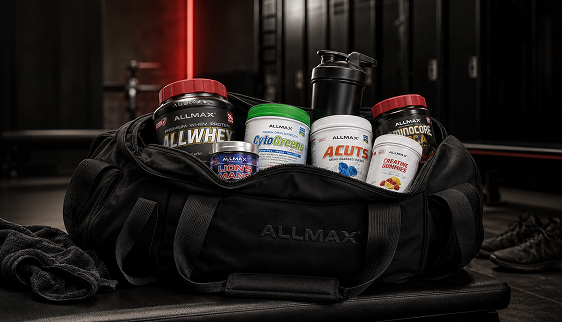
Lipase prevents undigested fats from remaining in the intestines, which can cause inflammation, bloating, or discomfort. Healthy fat digestion supports intestinal health and overall gut microbiome balance, including probiotics, the live organisms that contribute to this balance. Probiotics help keep your digestive tract healthy and support the work of digestive enzymes. Greens powders, such as ALLMAX CytoGreens, contain both lipase and prebiotics for gut flora balance and optimal digestion.

Lipase for Special Populations
Certain populations can particularly benefit from lipase enzyme supplements:
Aging adults: Pancreatic function and natural lipase production can decrease with age, making supplementation helpful for absorbing nutrients and maintaining energy levels.
Individuals with digestive disorders: Conditions like pancreatitis, cystic fibrosis, or chronic gastrointestinal diseases can impair lipase activity, leading to poor fat absorption and various deficiencies. Autoimmune disease can be an underlying cause of pancreatitis, through mechanisms that may trigger inflammation and tissue damage in the pancreas.
Vegans and vegetarians: Plant-based diets may provide less dietary fat compared to omnivorous diets. Supplemental lipase can help ensure that fat-soluble vitamins and essential fatty acids are absorbed efficiently.
Lifestyle changes, such as adopting healthy eating habits and regular exercise, are important for managing chronic pancreatitis alongside medical treatment. However, including lipase as part of a broader digestive supplement stack can provide a practical solution for these groups to maintain digestive efficiency and nutrient balance.
Lipase Blood Test
A lipase blood test is a valuable diagnostic tool used to measure the amount of lipase enzyme circulating in your blood, known as serum lipase. This test provides important insights into your digestive health, particularly your pancreas. Healthcare providers often take a blood sample and order a lipase test when you experience symptoms such as unexplained abdominal pain, persistent diarrhea, or sudden weight loss, as these can be signs of underlying pancreatic issues.
Elevated lipase levels in the blood are commonly associated with acute or chronic pancreatitis, which is inflammation of the pancreas. High levels may also indicate other digestive disorders that affect fat digestion and absorption. If your lipase blood test results are outside the normal range, it can help pinpoint the cause of your symptoms and guide further treatment to restore healthy digestion and enzyme balance.
Symptoms of Lipase Deficiency
When your body doesn’t produce enough lipase enzyme, it struggles to properly digest fats, leading to a range of uncomfortable and potentially serious symptoms. Common signs of lipase deficiency include frequent diarrhea, unexplained weight loss, and persistent abdominal pain. People with cystic fibrosis—a genetic disorder that affects the digestive system—are especially prone to lipase deficiency, but it can also occur in those with chronic pancreatitis or pancreatic insufficiency.
Other symptoms to watch for are fatty or greasy stools, malnutrition, and deficiencies in fat-soluble vitamins like A, D, E, and K. Over time, untreated lipase deficiency can contribute to more severe gastrointestinal problems, including chronic inflammation and impaired absorption of nutrients. If you notice these symptoms, it’s important to consult a healthcare provider to determine the underlying cause and prevent further complications.
Treatment Options for Lipase Deficiency
Managing lipase deficiency starts with addressing the root cause and supporting your body’s ability to digest fats. For individuals with genetic conditions like cystic fibrosis, or those with chronic pancreatic issues, pancreatic enzyme replacement therapy (PERT) is often recommended. PERT involves taking supplements that contain a blend of digestive enzymes—lipase, amylase, and protease—to help break down fats, carbohydrates, and proteins more effectively.
In addition to enzyme supplements, making dietary adjustments can help minimize symptoms. This may include eating smaller, more frequent meals and avoiding certain foods that trigger digestive discomfort. Monitoring your lipase levels and working closely with your healthcare provider ensures that your treatment plan is tailored to your specific needs. With the right combination of supplements, dietary changes, and ongoing medical support, most people with lipase deficiency can manage their symptoms and maintain optimal digestive health.

Weight Loss and Lipase
Unintentional weight loss is a common challenge for those with lipase deficiency, as the body cannot efficiently digest and absorb fats and essential nutrients. This malabsorption can lead to deficiencies in fat-soluble vitamins and a decrease in overall energy levels. To address weight loss related to lipase deficiency, it’s important to work with a healthcare provider to develop a comprehensive treatment plan.
This plan may include taking targeted supplements such as bile salt stimulated lipase or bile salt dependent lipase to further support fat digestion and nutrient absorption. Leading medical centers like Johns Hopkins Medicine and the Cleveland Clinic recommend regular monitoring of nutrient levels and adjusting your diet to include easily digestible, nutrient-rich foods. In some cases, additional supplementation may be necessary to help the body regain lost weight, such as mass gainer supplements. By focusing on digestive support and personalized nutrition, individuals can better manage weight loss and promote overall wellness.
Digestive Supplements with Lipase
Digestive supplements are formulated to support the breakdown of proteins, carbohydrates, and fats, and contain naturally occurring digestive enzymes. Lipase is a key ingredient in many of these supplements because of its role in fat metabolism.
Modern lipase supplements are often combined with other enzymes such as amylase (for carbohydrates) and protease (for proteins) to provide comprehensive digestive support. These supplements are convenient for people who experience bloating, indigestion, or nutrient deficiencies despite having a balanced diet.
Dosage and timing:
Digestive enzymes are most effective when taken immediately before or during a meal.
Lipase supplements are generally taken with meals containing fats to maximize absorption.
Most products provide lipase in doses calibrated to enhance fat digestion without causing overstimulation of the digestive system.
Regular use of high-quality digestive supplements containing lipase, such as ALLMAX CytoGreens, can make meals more comfortable and help the body utilize nutrients more efficiently. Improper breakdown of nutrients by digestive enzyme supplements can cause gastrointestinal distress, including gas, bloating, and abdominal pain.
Side Effects and Safety
Lipase is generally safe for most people, especially when consumed as part of food or through standard digestive enzyme supplements. Digestive enzyme supplements can sometimes mask underlying conditions, so it is important to seek medical advice if symptoms persist.
Digestive issues: Bloating, gas, or diarrhea may occur if lipase activity is excessive.
Allergic reactions: Rarely, some individuals may experience mild allergic responses such as rash or swelling.
Gastrointestinal disturbances: Stomach upset, nausea, or cramping may result from high doses of lipase supplements.
It is always recommended to consult a healthcare provider before starting any lipase enzyme supplements, particularly for individuals with pre-existing digestive conditions or those taking medications that affect digestion.
Choosing the Right Digestive Supplement
When selecting a digestive enzyme supplement containing lipase, consider the following factors:
Enzyme blend: Look for products that include lipase alongside protease and amylase for balanced digestion. Some supplements also include enzymes from a new gene family, which may offer additional digestive benefits.
Dosage: Check the lipase units to ensure they provide adequate activity for your dietary fat intake.
Formulation: Sugar-free or low-allergen options can minimize potential digestive discomfort.
Reputable brands: Choose supplements from trusted companies that adhere to safety and quality standards.
Incorporating lipase-containing digestive enzyme supplements into your daily routine can improve fat digestion, enhance nutrient absorption, and support overall digestive health.
Conclusion
Lipase is a critical enzyme for fat digestion, nutrient absorption, and overall digestive health. By breaking down large fat molecules, lipase supports energy production, vitamin absorption, and gut health. For individuals who struggle with fat digestion due to aging, dietary habits, or digestive disorders, digestive supplements and greens powders containing lipase offer a convenient and effective solution.
Regular use of lipase enzyme supplements can help maintain energy, support metabolism, and promote optimal nutrient absorption, making them an important component of a balanced approach to digestive wellness.