
HYROX looks simple on paper, but the real test is managing accumulated fatigue for 60–90+ minutes. A good Hyrox training plan must balance running volume with high-repetition functional strength, because running accounts for approximately 50% of the total race time in a HYROX competition.
Phase |
Weeks |
Main Goal |
Key Training Focus |
|---|---|---|---|
Base Building |
1–4 |
Build endurance and skill |
Zone 2 runs, movement quality, light station practice |
Race-Specific Development |
5–8 |
Train for Hyrox demands |
1 km intervals, strength circuits, compromised workouts |
Peak and Taper |
9–12 |
Get race ready |
Race simulation, pacing, recovery, race day preparation |
What is a HYROX Race?
A Hyrox race is a standardized indoor functional fitness competition that combines endurance running with strength-based workout stations. Every event follows the same format: eight rounds of 1 km running, each followed by one functional workout station. HYROX events use the same exercises worldwide, so your race prep can be specific and measurable.
The eight stations are:
ski erg - 1,000 m
sled push - 50 m
sled pull - 50 m
burpee broad jumps - 80 m
rowing - 1,000 m
farmer's carry - 200 m
sandbag lunges - 100 m
wall balls - 100 reps
HYROX includes eight functional exercise stations that test strength, power, and endurance, alternating with 1-kilometer runs, making it a unique hybrid fitness challenge. Open athletes often finish in roughly 75–100 minutes, while elite athletes in Pro divisions can approach or break the 60-minute mark. Efficiency saves massive amounts of energy over a 90-minute race, and elite HYROX athletes do not sprint the 1 km segments; they use a highly efficient, metronomic running pace.
That is why HYROX is not just a running race or a gym circuit. To excel in HYROX, training needs to be a hybrid of running endurance and functional strength, with cardiovascular endurance, leg strength, grip strength, core stability, muscular endurance, and mental toughness all trained together.

How to Choose the Best HYROX Training Plan
The best Hyrox training program is not the hardest one. It is the one that gradually builds fitness without breaking you down. For most beginners, a structured 12-week training plan is recommended to build both running endurance and strength for the HYROX competition.
Here are the criteria that matter most:
Training duration: many athletes need 12 weeks to develop the necessary aerobic capacity and muscular endurance.
Weekly time commitment: most plans work best with 4–5 training days and at least one full rest day.
Fitness level: a first time Hyrox athlete should ideally be able to jog 5 km before race day.
Race specificity: the training program should include running, strength training, and event-specific practice.
Recovery: rest days, mobility, sleep, and active recovery prevent overtraining.
The cornerstone of HYROX preparation is teaching legs to run under fatigue. Compromised workouts, which involve performing functional exercises immediately after running, are also essential for simulating the fatigue experienced during a HYROX event and improving performance under fatigue.
Practicing transitions between high-intensity movements and running improves efficiency in HYROX races. You should also practice pacing during your training to help manage your effort throughout the race, as controlling your speed can significantly impact your performance.
12-Week Comprehensive HYROX Training Plan Breakdown
This 12 week Hyrox training plan is built for a first Hyrox race, but it can also help experienced athletes sharpen race pace. Before each session, warm-up activities like hip mobility are crucial for training sessions. Add easy jogging, glute activation, and light movement prep before any Hyrox workout.
Weeks 1-4: Base Building Phase
Your goal is to build an aerobic base and learn the core components of the race format without chasing exhaustion.
Zone 2 Base Building involves 30 to 50-minute runs at a conversational pace to develop the aerobic engine. Weekly running volume should sit around 12–15 km, mostly at an easy pace. This helps build endurance while limiting injury risk.
Training priorities:
2 easy runs per week
1 strength training session focused on squats, lunges, hinges, carries, and presses
1 technique session for ski erg, sled push, sled pull, rowing, and wall balls
1 optional active recovery day with walking, stretching, or foam rolling
Include core exercises and grip strengthening in training because core exercises and grip strengthening help maintain performance under load. Use heavy kettlebells for carries, but keep technique clean. For the sled push, focus on leg drive and body angle before adding weight.
Most beginners should avoid burning themselves out in week 1. The purpose of this phase is overall fitness, not proving you are already Hyrox ready.
Weeks 5-8: Race-Specific Development
Now the plan becomes more specific. Increase running volume to 18–22 km per week and include interval, speed, and long-distance running to enhance both lactic and aerobic fitness.
A sample week Hyrox structure:
Day 1: 5–6 × 1 km at controlled race pace
Day 2: strength circuits with sled push, sled pull, lunges, carries, and wall balls
Day 3: active recovery or rest
Day 4: compromised workout, such as 1 km run + rowing + 1 km run + sandbag lunges
Day 5: 45–70 minute easy run
Day 6: station practice in race conditions
Day 7: full rest
This is where hybrid training becomes clear. You are no longer just building running endurance; you are learning how to move from a station back into a steady pace run while breathing hard. All this creates the mental resilience needed for the finish line.
Weeks 9-12: Peak and Taper Phase
Weeks 9–10 are your peak. Add one full simulation or half race simulation, depending on recovery. A full simulation should include all eight stations and eight rounds of running, but it does not need to be performed at maximum effort.
Week 11 reduces volume by 30–40% while maintaining short bursts of intensity so you stay sharp. Week 12 is the final taper. Tapering, which involves reducing training volume and intensity in the days leading up to a competition, is important to allow the body to recover strength for peak performance on race day.
During the final week:
Keep runs short and relaxed.
Practice transitions, but do not chase fatigue.
Prepare shoes, timing chip, clothing, and fueling.
On race day, arrive early to prevent rushing and to allow time to relax and prepare mentally before the event begins.
Sport Supplementation for HYROX Performance
Nutrition planning is essential in HYROX to offset carbohydrate depletion during the event. A typical race can burn roughly 700–1,000 kcal, and because so much time is spent running, poor fueling can show up as heavy legs, slower transitions, or missed reps late in the race.
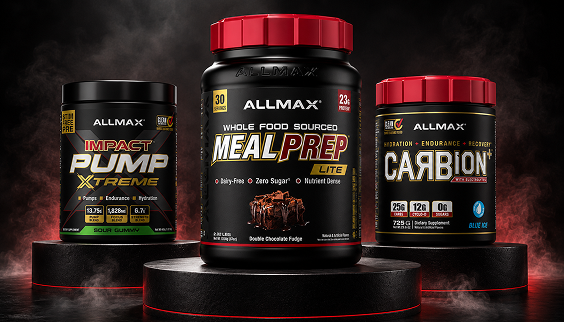
For HYROX training and competition, ALLMAX Carbion+ is built for sessions lasting 45+ minutes. It is a zero-sugar, phased-release carbohydrate and electrolyte formula designed for pre-, intra-, or post-workout use.
Each serving provides 25 g carbohydrates, including:
12 g Cyclo-D Highly Branched Cyclic Dextrin
12 g PER4ORM 4-Form phased-release maltodextrin
1,000 mg AWM2300 high molecular-weight waxy maize
400 mg CocoH2 coconut water
It also includes an electrolyte blend with 190 mg sodium, 100 mg potassium, 60 mg magnesium, and 30 mg calcium, plus an absorption blend with prickly pear extract, bitter melon extract, and Cinnulin PF cinnamon bark extract.
Cyclo-D and 4-form maltodextrin support sustained performance by delivering carbohydrates in phases rather than relying on simple sugar. Research on highly branched cyclic dextrin has also shown promise for endurance exercise, including lower perceived exertion compared with some traditional carbohydrate sources in published exercise research.
How to use Carbion+:
Pre-workout: take 30–60 minutes before hard intervals or a race simulation.
Intra-workout: sip during long Hyrox training sessions, especially those over 45 minutes.
Post-workout: pair with protein to support glycogen replenishment and recovery.
Stick to your usual nutrition plan on race day, focusing on carbohydrate intake in the lead-up to the race to ensure you have enough energy. If you are accustomed to using a high‑stim pre‑workout like ALLMAX Impact Igniter Xtreme 2.0, keep the dose conservative and avoid trying it for the first time on race day. Do not test a new supplement for the first time on race day.
Frequently Asked Questions
Can a complete beginner do HYROX?
Yes. A first race in the Open division is realistic for a complete beginner with enough preparation. If you cannot run 5 km yet, spend 4–6 weeks building an aerobic base before starting this training plan.
How should beginners start training for HYROX?
Start with 3–4 weekly sessions: two runs, one regular gym strength session, and one technique session for the workout stations. Keep the intensity manageable and build gradually.
What equipment do you need for HYROX training?
Ideally, you need a ski erg, rower, sled, wall ball, sandbag, and farmer’s carry handles or heavy kettlebells. If your gym lacks a sled, substitute heavy treadmill pushes, prowler work, or loaded marches.
What should beginners eat while training for HYROX?
Base meals around lean protein, carbohydrates, healthy fats, and fluids. Around hard sessions, prioritize carbs because HYROX combines endurance, high reps, and functional strength. Carbion+ can help support longer training sessions without sugar-heavy fueling.
What are common HYROX training mistakes?
Common mistakes include skipping compromised workouts, ignoring running volume, going too hard on every run, neglecting transitions, and failing to practice race conditions. Another mistake is assuming leg strength alone is enough; you also need an aerobic engine.
How do you recover properly during HYROX training?
Post-workout recovery is essential as it is the period when the body adapts and grows stronger, making it crucial to include at least one full rest day per week in your training regimen. Incorporating active recovery sessions, such as walking, stretching, or foam rolling, can help enhance recovery and prevent overtraining, which can derail progress.
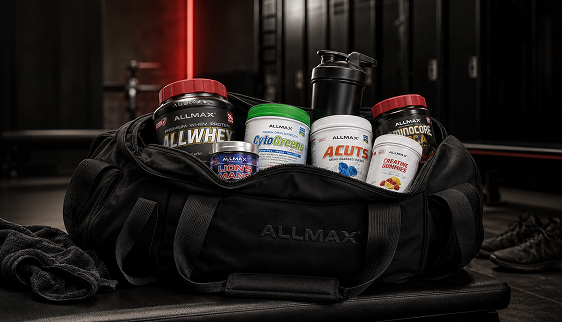
Prioritizing sleep, aiming for seven to nine hours per night, is crucial for recovery and overall performance, as it helps the body repair and rejuvenate after training sessions. For nutrition support, ALLMAX products such as Carbion+ for carbohydrate replenishment, protein powders for muscle repair, and creatine for strength output can fit well into a smart recovery routine.
Final Thoughts
The best Hyrox training plan is consistent, progressive, and specific. It should build running endurance, functional strength, pacing skill, and the mental resilience to keep moving when fatigue hits.
If you want to train for Hyrox with more confidence, follow the 12-week structure, practice your fueling, respect recovery, and use ALLMAX Carbion+ to support hard sessions and race prep. Do that, and you will arrive at the start line stronger, calmer, and ready to race.