
Glutamine is a key amino acid that supports gut health by fueling intestinal cells and maintaining a strong gut lining. A glutamine supplement can improve digestion, enhance nutrient absorption, reduce bloating and discomfort, support immune function in the GI tract, and aid tissue repair. Backed by research, glutamine may also help reduce inflammation. Combined with a balanced diet, it’s an effective way to promote a resilient, healthy digestive system.
Introduction: Why Gut Health Matters
Gut health plays a big role in how you feel every day, yet it’s something many of us don’t think about until problems arise. Common digestive issues—like bloating after meals, discomfort from a sensitive stomach, or conditions such as leaky gut and irritable bowel syndrome (IBS)—can make everyday life uncomfortable. Even minor digestive disruptions can affect energy levels, mood, and how well your body absorbs important nutrients. Maintaining a healthy digestive system is essential for your overall wellbeing and daily performance.
This is where glutamine comes in. Glutamine is an amino acid that acts as fuel for the cells lining your intestines, helping keep your gut strong, healthy, and functioning properly. For people looking to support digestive function, glutamine supplements can be an easy, convenient way to help maintain gut health, support nutrient absorption, and promote overall digestive comfort. Eating a diet rich in fruits and vegetables is also important, as it increases fiber intake and supports the growth of healthy gut bacteria.

What is Glutamine?
Glutamine as an Amino Acid
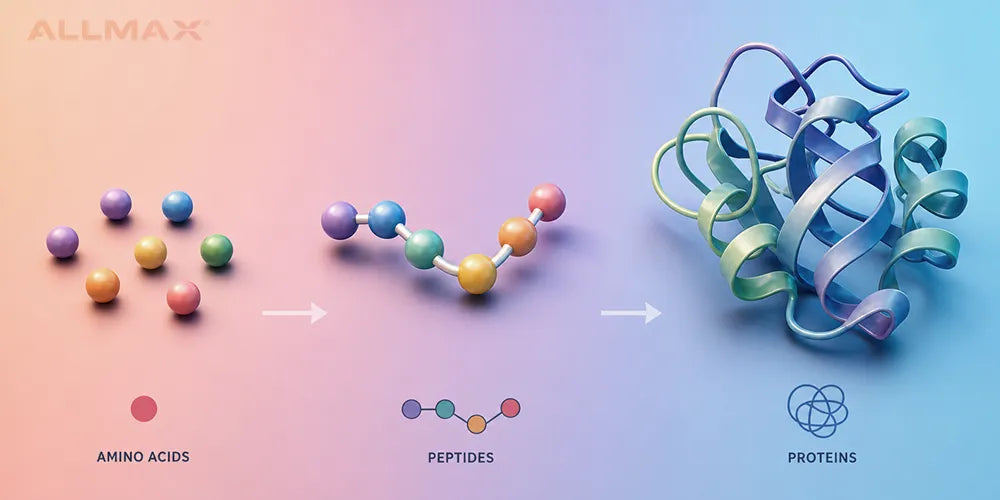
Glutamine is a conditionally essential amino acid, which means your body can produce it naturally. It’s a building block for proteins, helping your body repair tissues and maintain healthy cellular function. Beyond supporting muscles, glutamine plays a key role in overall cellular repair, which is important for keeping your body running smoothly.
Glutamine’s Role in Digestive Health
One of glutamine’s most important jobs is fueling the cells that line your intestines, called enterocytes. These cells form the protective barrier of your gastrointestinal tract, helping your body absorb nutrients while keeping harmful substances out. By supporting these intestinal cells, glutamine helps maintain a strong gut lining, which is essential for digestive comfort, nutrient absorption, and overall gut health.
Glutamine supplements can provide an extra boost when your body’s natural supply isn’t enough, making it easier to maintain a healthy digestive system and support gut wellness every day.
Top 5 Benefits of Glutamine for Digestion
1. Supports Gut Lining Integrity
One of glutamine’s most important roles in digestive health is helping maintain the integrity of the gut lining. The lining of your intestines acts as a protective barrier, keeping harmful bacteria, toxins, and undigested food particles from entering the bloodstream. When this barrier is compromised, it can contribute to a condition often referred to as “leaky gut,” which has been linked to digestive discomfort, inflammation, and even nutrient malabsorption.
Enterocytes rely on glutamine to produce energy, repair themselves, and replace damaged cells. When the gut lining is strong and healthy, it forms tight junctions that prevent harmful substances from slipping through, helping the digestive system function more efficiently.
Supplementing glutamine can be especially helpful during times when the gut lining is under extra stress. Factors such as poor diet, chronic stress, illness, or intense exercise can all increase the demand for glutamine in the intestines. Supplements provide an easy, concentrated source of glutamine, supporting the repair and maintenance of the intestinal barrier.
In addition to protecting against harmful bacteria and toxins, a healthy gut lining supported by glutamine can also improve the body’s ability to absorb essential nutrients. This means your body can better utilize vitamins, minerals, and other compounds from food, contributing to overall wellness.
By strengthening the intestinal walls, glutamine helps the digestive system stay resilient, comfortable, and efficient. For anyone looking to maintain long-term digestive health, support nutrient absorption, and reduce the risk of intestinal irritation, incorporating glutamine powders can be a practical and effective strategy.

2. Promotes Healthy Digestive Processes
Glutamine plays a key role in helping your body digest and absorb nutrients efficiently. When your digestive system is functioning well, the food you eat is broken down into smaller molecules—like amino acids, fatty acids, and simple sugars—that your body can actually use for energy, growth, and repair. This process involves both mechanical digestion (such as chewing and churning) and chemical digestion, where digestive enzymes and digestive juices work together to break food into absorbable nutrients. Glutamine helps power the cells responsible for this process, ensuring that nutrients from your meals don’t go to waste.
Healthy enterocytes are energized by glutamine and are better able to process complex food components, allowing vitamins, minerals, and other essential compounds to pass into the bloodstream. This is especially important for fat-soluble vitamins like A, D, E, and K, which rely on a fully functional digestive system to be absorbed effectively.
Supplementing glutamine can be particularly helpful for individuals who experience digestive challenges such as bloating, slow digestion, or malabsorption issues. By providing extra fuel for intestinal cells, glutamine helps the gastrointestinal tract operate smoothly, reducing discomfort and supporting the body’s ability to make the most of the foods you eat. Digestive juices, including those from the pancreas and liver, further aid in the breakdown and absorption of nutrients.
Additionally, glutamine can support the balance of healthy gut bacteria, which also play a role in breaking down certain nutrients and producing compounds that benefit overall health. A properly nourished digestive system is better equipped to extract energy from food, maintain healthy blood sugar levels, and support long-term metabolic function.
In short, glutamine doesn’t just help keep the gut lining strong—it also helps your body get the full benefit of the nutrients you consume. For anyone looking to improve digestion, enhance nutrient absorption, and maintain overall digestive wellness, glutamine supplements can be a practical, effective addition to a daily health routine.
3. Reduces Digestive Discomfort
Digestive discomfort—like bloating, gas, cramping, or irregularity—is something many people experience from time to time. For some, these symptoms are occasional, while for others, they are chronic and linked to conditions like irritable bowel syndrome (IBS) or other digestive disorders. One way to help support a calmer, more comfortable digestive system is through glutamine supplements, which work at the cellular level to improve gut function.
When enterocytes are healthy and fueled by glutamine, the intestines are better able to handle food efficiently, reducing the likelihood of gas, bloating, or cramping. A stronger intestinal lining also means fewer irritants passing through to trigger inflammation or discomfort.
For individuals with digestive conditions such as IBS, glutamine can be especially beneficial. IBS and similar disorders often involve a weakened gut barrier, imbalanced gut bacteria, or heightened intestinal sensitivity. By supporting intestinal cell health and promoting a resilient gut lining, glutamine can help alleviate some of these chronic discomforts, making everyday digestion more manageable.
In addition, glutamine may indirectly support the balance of healthy gut bacteria, also known as good bacteria, which can further reduce digestive upset. A well-nourished gut environment is less likely to overproduce gas or trigger cramping after meals, creating a smoother, more comfortable digestive experience.
While glutamine is not a cure for digestive disorders, incorporating glutamine supplements into a daily routine can be a practical strategy for supporting digestive comfort, reducing bloating, and maintaining overall gut wellness. For people struggling with occasional or chronic digestive discomfort, glutamine provides targeted support at the cellular level, helping the digestive system function more efficiently and comfortably.
4. Enhances Immune Function in the GI Tract
Did you know that around 70% of your immune system is located in your gastrointestinal (GI) tract? This makes the digestive system one of the most important players in overall immune health. The gut contains specialized immune tissues known as gut-associated lymphoid tissue (GALT), which work to identify harmful bacteria, viruses, and toxins before they can cause problems in the rest of the body. Glutamine supplements play a key role in supporting this critical immune function.
Glutamine acts as a primary energy source for the cells in GALT, helping them stay active and responsive. When these cells are well-fueled, they can more effectively detect and neutralize potential threats, reducing the risk of infection and inflammation. By maintaining a strong and healthy gut immune system, glutamine helps your body defend itself naturally while keeping the digestive system functioning smoothly.
Supporting gut immunity is particularly important during times of stress, illness, or intense physical activity, which can all temporarily weaken the gut barrier and reduce immune efficiency. Research suggests that supplementing with glutamine during these times can help maintain the resilience of intestinal immune cells and reduce the likelihood of digestive inflammation or immune-related gut issues.
In addition to immune support, glutamine helps maintain a healthy gut environment, which includes a balanced population of beneficial bacteria. A well-nourished gut not only supports digestion but also contributes to a stronger immune response throughout the body.
In short, glutamine supplements do more than fuel digestion—they actively support the immune system in the gut, helping to prevent infections, reduce inflammation, and maintain overall gut wellness. For anyone looking to strengthen their digestive system while boosting immune health, glutamine is a powerful, science-backed option to include in a daily routine.

5. Supports Recovery and Repair of Digestive Tissue
Your digestive system works hard every day, breaking down food, absorbing nutrients, and protecting your body from harmful substances. Sometimes, the enterocytes lining your intestines can become damaged due to illness, stress, poor diet, or even intense physical activity. This is where glutamine supplements can be especially helpful, as glutamine provides the energy and building blocks these cells need to repair and regenerate.
Glutamine is critical for the recovery of intestinal tissue. By supporting cellular repair, glutamine helps maintain the integrity of the gut lining, which is essential for nutrient absorption, barrier protection, and overall digestive function. When the gut lining is strong and healthy, the digestive system can recover more quickly from stressors that might otherwise cause discomfort, inflammation, or nutrient malabsorption.
This benefit is particularly important for people recovering from gastrointestinal illness, food sensitivities, or even bouts of stress that can temporarily weaken the gut. Additionally, athletes or highly active individuals can benefit from glutamine’s role in intestinal repair. Intense exercise can stress the gut and sometimes lead to temporary digestive issues. Supplementing with glutamine supports recovery, helping the digestive system stay resilient and functional.
By helping repair damaged intestinal cells, glutamine not only promotes digestive comfort but also ensures that the gut remains a strong, protective barrier against harmful substances. Combined with its other benefits—supporting the gut lining, nutrient absorption, and immune function—glutamine plays a comprehensive role in maintaining a healthy, balanced digestive system.
Incorporating glutamine supplements into your daily routine can provide consistent support for intestinal recovery and repair, keeping your digestive system functioning optimally, even under stress, illness, or high activity levels.
The Role of Glutamine in Reducing Inflammation
Chronic inflammation in the digestive system is a common factor behind many digestive system disorders, including irritable bowel syndrome (IBS), leaky gut, and other gastrointestinal issues. When the gut lining becomes irritated or damaged, it can trigger an immune response that leads to ongoing inflammation, discomfort, and impaired nutrient absorption.
Glutamine stands out for its ability to help calm and reduce inflammation within the gastrointestinal system. By fueling the cells lining the stomach and intestines, glutamine supports the repair and regeneration of the stomach lining and intestinal walls. This helps maintain the integrity of the gut barrier, preventing harmful substances and undigested food particles from triggering an inflammatory response.
Studies suggest that glutamine supplementation can help modulate the immune system’s activity in the gut, promoting a balanced response rather than an overactive one. This is particularly beneficial for individuals dealing with inflammation in the digestive system, such as those who are lactose intolerant, experience food sensitivities, or have a history of digestive discomfort after eating certain foods.
By supporting the body’s natural anti-inflammatory processes, glutamine can help reduce symptoms like bloating, cramping, and irregularity, making it easier to break down food and absorb nutrients efficiently. For anyone looking to maintain a calm, resilient digestive system and support overall gut health, glutamine offers a science-backed way to keep inflammation in check and promote good health from the inside out.

Clinical Trials and Research on Glutamine and Gut Health
The benefits of glutamine for digestive health aren’t just theoretical—they’re backed by a growing body of clinical trials and scientific research. Studies published in reputable journals, including the American Journal of Clinical Nutrition and Nutrients (MDPI), have explored how glutamine supplementation impacts the digestive process, gut barrier function, and overall gastrointestinal wellness.
Clinical trials have shown that glutamine can help strengthen the gut lining, especially in individuals experiencing stress, illness, or digestive system disorders. For example, research involving patients with irritable bowel syndrome (IBS) and other gastrointestinal tract conditions found that glutamine supplementation helped reduce symptoms like bloating, abdominal pain, and irregular bowel movements. Other studies have demonstrated glutamine’s ability to support the recovery of the stomach lining after exposure to irritants or during periods of increased physical stress, such as intense exercise.
In addition, research has highlighted glutamine’s role in supporting the gut microbiome and promoting the growth of beneficial bacteria, which are essential for further digestion and nutrient absorption. Some clinical trials have also investigated glutamine’s potential to reduce inflammation and support immune function within the digestive tract, with promising results for both healthy adults and those with digestive discomfort.
At ALLMAX Nutrition, we’re committed to providing supplements that are not only effective but also grounded in scientific evidence. Our glutamine powder is lab-tested to ensure purity, potency, and safety—so you can trust that you’re getting a product that supports your digestive system based on the latest research.
Whether you’re looking to optimize your gut health, support recovery from digestive discomfort, or simply maintain a resilient digestive system, the science is clear: glutamine is a valuable tool for anyone serious about their health and performance.
How to Use Glutamine Supplements for Gut Health
Dosage and Timing
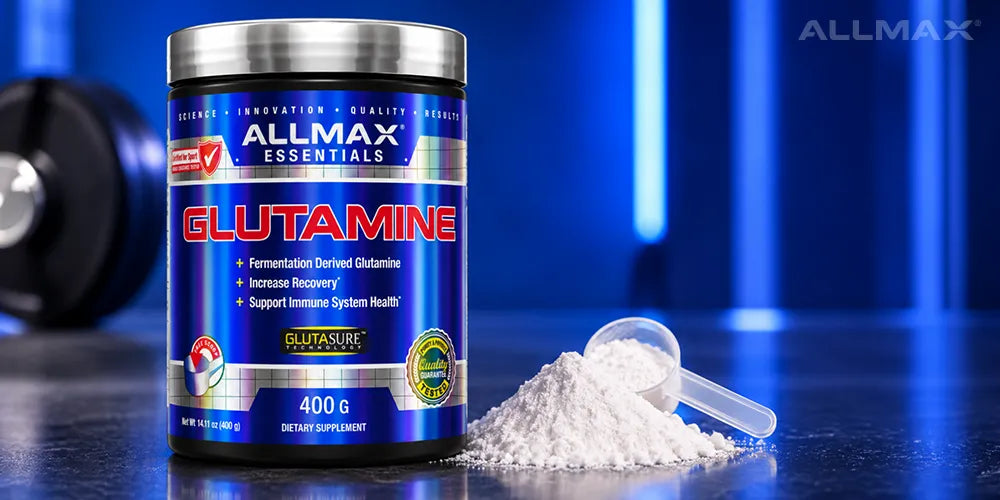
When using a powder form of glutamine supplements like ALLMAX Glutamine Powder, understanding the right dosage and timing can help maximize gut support. Most people start with about 5 grams (one scoop) per day, which is the suggested serving size on this product, and is a common amount used for digestive and immune support.
Many individuals find it helpful to take glutamine on an empty stomach, such as first thing in the morning or between meals. Taking it this way may allow the glutamine to reach your intestinal cells more directly, where it can fuel the cells that line your digestive tract and support nutrient absorption. While it’s often used at any time of day that fits your routine, consistency tends to matter most for long‑term digestive benefits.
Forms of Glutamine Supplements
When using a powder form of glutamine supplements like ALLMAX Glutamine Powder, understanding the right dosage and timing can help maximize gut support. Most people start with about 5 grams (one scoop) per day, which is the suggested serving size on this product, and is a common amount used for digestive and immune support.
Many individuals find it helpful to take glutamine on an empty stomach, such as first thing in the morning or between meals. Taking it this way may allow the glutamine to reach your intestinal cells more directly, where it can fuel the cells that line your digestive tract and support nutrient absorption. While it’s often used at any time of day that fits your routine, consistency tends to matter most for long‑term digestive benefits.
Safety and Side Effects
Glutamine is generally safe for healthy adults when taken at recommended amounts. Mild side effects are uncommon but may include slight digestive discomfort or bloating in some people, especially if large doses are taken at once.
As with any supplement, it’s a good idea to start with the suggested serving and see how your body responds. If you have medical conditions or are taking medications, talk to a healthcare provider before beginning glutamine supplementation.
Foods Naturally High in Glutamine
While glutamine supplements are an easy way to support gut health, you can also get this important element from your diet. Animal-based foods tend to be particularly rich in glutamine. Chicken, beef, fish, eggs, and dairy products are all excellent sources, providing the amino acids your body can use for digestion, cellular repair, and overall gut function. The nutritional value of these foods lies in their high glutamine content, which plays a key role in supporting gut health and enhancing nutrient absorption.
For those following a plant-based or vegetarian diet, there are also good sources of glutamine. Vegetables such as spinach, cabbage, and beans contain glutamine and can help support intestinal health when included regularly in meals.
Eating a variety of these glutamine-rich foods can complement supplementation, supporting a strong gut lining, efficient nutrient absorption, and overall digestive wellness. Combining dietary sources with powdered glutamine supplements can be a practical strategy to maintain gut health, especially during times of stress, illness, or increased physical activity.
Frequently Asked Questions
What is a glutamine supplement and how does it support gut health?
A glutamine supplement provides the amino acid L-glutamine, which fuels intestinal cells, supports the gut lining, and helps maintain a healthy digestive system and efficient nutrient absorption.
What are the main benefits of glutamine for digestion?
Glutamine supports gut lining integrity, improves digestion, reduces bloating and discomfort, enhances immune function in the digestive tract, and promotes tissue repair.
How should I take glutamine supplements for best results?
Most people take 5 grams daily on an empty stomach, such as in the morning or between meals, to support optimal digestion and gut health.
Are glutamine supplements safe for daily use?
Glutamine is generally safe for healthy adults when taken as directed. Mild digestive discomfort may occur in some cases, so it’s best to start with recommended doses.
Can glutamine help with IBS or leaky gut?
Research suggests glutamine may help support gut lining repair and reduce symptoms like bloating and discomfort associated with IBS and leaky gut.
Conclusion: Why Glutamine is Essential for the Digestive System
Glutamine is a powerful amino acid that plays a central role in maintaining a healthy digestive system. By fueling the cells lining your intestines, glutamine helps strengthen the gut barrier, improve nutrient absorption, reduce digestive discomfort, support immune function, and aid in tissue repair. For many people, combining glutamine-rich foods like chicken, fish, eggs, and leafy greens with powdered glutamine supplements provides an effective way to support gut health consistently.
Whether you’re dealing with occasional digestive problems, managing stress on your gut, or simply looking to optimize nutrient absorption, glutamine can be a valuable addition to your daily wellness routine. Regular use can help keep your digestive system resilient, comfortable, and functioning at its best.