

Anna Kasztenny, MSc.
Anna holds a Master’s degree in Bio-Pharmaceutical Science and Business Studies and a Bachelor of Medical Science with an Honors Specialization in Pharmacology. Alongside her academic background, she is a competitive bodybuilder and strength athlete who holds three provincial powerlifting records. As a former competitive gymnast and varsity cheerleader, she is passionate about health, performance, and evidence-based wellness.
Introduction
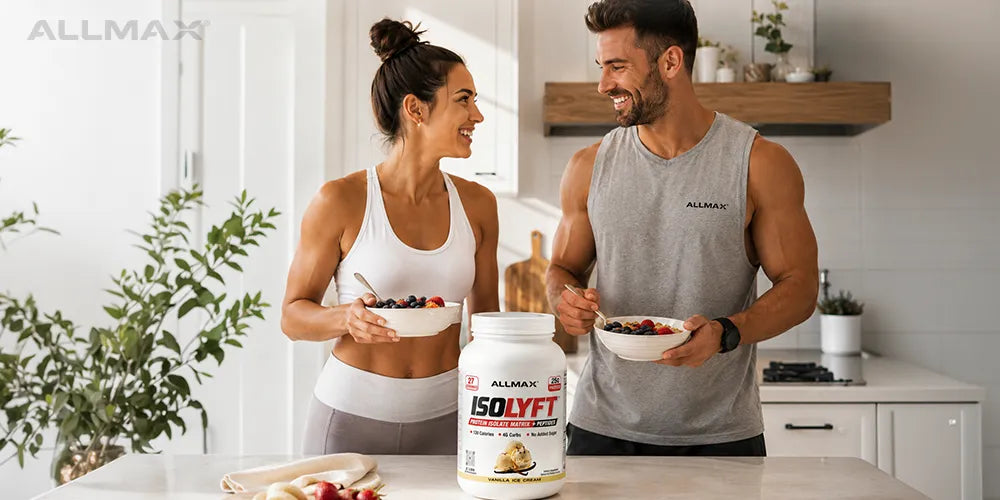
Isoflex Whey Protein Isolate is a premium protein supplement tailored for athletes, fitness enthusiasts, and anyone aiming to build lean muscle and improve recovery. Isoflex supports your fitness goals by providing fast-digesting protein suitable for pre-workout energy, post-workout recovery, and daily protein needs.
By the end, you’ll understand how Isoflex Whey Protein Isolate can help you optimize fitness results while maintaining clean nutrition and easy digestion.
Why Isoflex Isolate Protein Works So Well
At a glance:
27 g whey protein isolate per serving
120 calories
0 g fat
2 g carbohydrates
0 g added sugar
30 g serving size
Made using Hybrid-Ratio Ion-Filtration (HRI)
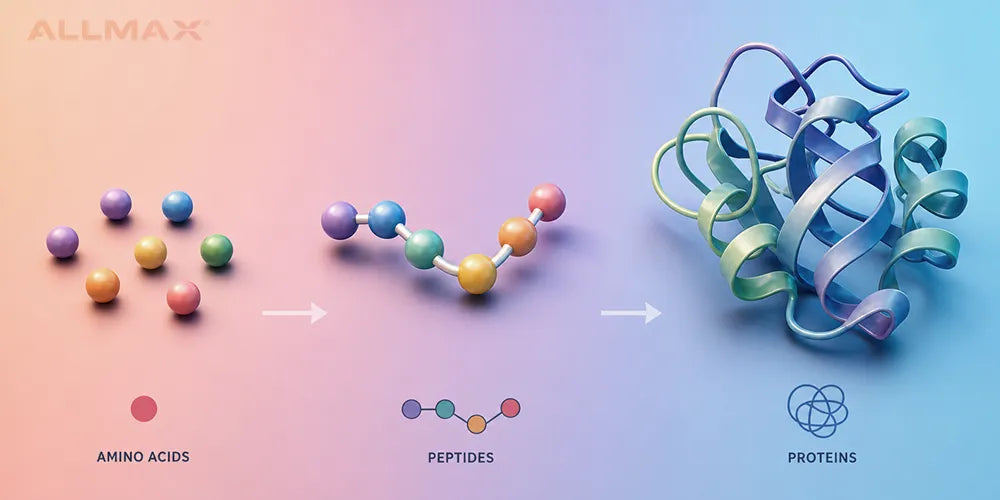
Isoflex is made from whey protein isolate, a rapidly digested, high-quality protein derived from cow's milk that provides all nine essential amino acids. Its Hybrid-Ratio Ion-Filtration (HRI) advanced filtration process lowers lactose content, leaving more protein per serving than whey protein concentrate while preserving a complete spectrum of essential amino acids. Unlike whey protein concentrate, whey protein isolate contains substantially less lactose and fat due to additional filtration, making it a suitable option for many people with lactose intolerance.
With Isoflex, your body receives a protein source that is:
Rapidly absorbed
Easy to digest
Ultra-clean and low in lactose
High in BCAAs and EAAs
Perfect for muscle repair and energy support

Why Hybrid-Ratio Ion-Filtration Makes a Difference
Not all whey protein isolates are produced using the same filtration process. Isoflex uses Hybrid-Ratio Ion-Filtration (HRI) to remove much of the fat, carbohydrates, and lactose while preserving high-quality whey protein fractions. The result is a protein powder that delivers 27 grams of protein in a 30-gram scoop, with 0 g fat, 2 g carbohydrates, and 120 calories, making it an efficient option for athletes looking to maximize protein intake without unnecessary calories.
Key Features and Benefits of Isoflex Whey Protein Isolate
| Benefit | Description |
|---|---|
| 27g Protein Per Scoop | Provides 27 grams of pure whey protein isolate per 30g scoop for lean muscle growth and recovery. |
| Advanced Filtration Technology | Uses Hybrid-Ratio Ion-Filtration to retain key bioactive whey fractions supporting muscle repair and immunity. |
| Rapid Absorption & High Purity | Over 90% protein content ensures fast delivery of amino acids for muscle synthesis and recovery. |
| Low Lactose & Fat | Minimizes digestive discomfort, making it suitable for individuals with lactose sensitivity. |
| Supports Muscle Building | Rich in BCAAs and essential amino acids critical for muscle repair and growth. |
| Clean & Versatile | 100% whey isolate with no added sugar or fat, ideal for pre/post-workout or anytime protein boost. |
| Low Calorie & Easy to Digest | Contains about 120 calories per scoop and provides a gentle-on-the-stomach protein option with no bloating. |
| Gluten-Free & Mixes Easily | Free from gluten and artificial additives, while mixing smoothly with premium flavors. |
| Suitable for Various Users | Perfect for athletes, fitness enthusiasts, and individuals with mild lactose sensitivity. |
| Third-Party Testing | Every batch of Isoflex undergoes comprehensive third-party testing for banned substances, with TruShield Certified analysis screening against 489 prohibited compounds and confirming no banned substances were detected. |
Top 3 Reasons Isoflex Is Ideal for Muscle Building
1. Isoflex Delivers One of the Purest & Highest Quality Whey Isolates
When it comes to purity, Isoflex stands at the top of the protein category.
Isoflex is produced using Hybrid-Ratio Ion-Filtration (HRI) process that removes nearly all unwanted components, including excess carbohydrates, lactose, and fats. Since whey isolate has lower lactose than whey concentrate, the result is a protein that is:
90% pure whey protein isolate
Less than 1 g of sugar
Less than 1 g of fat
Virtually lactose-free
Most whey protein powders on the market are blends or concentrates. Compared with whey protein isolate,whey protein concentrate is typically the more economical option because isolate is more expensive due to the extra processing and filtration required, but isolate is purer. These contain:
Higher amounts of lactose
Slower-digesting proteins
More fats and carbs
Large variations in purity
Isoflex avoids these issues entirely. With its rigorous filtration, no artificial flavors, and lab-tested purity, plus NSF Verified for Sport as a smart quality check when choosing an isolate, Isoflex provides clean protein your body can absorb immediately, helping you train harder, recover faster, and minimize digestive stress.
If your goal is maximum results with minimum compromise, Isoflex offers the highest standard of clean, fast-absorbing protein you can rely on every single day.
2. Isoflex Can Be Used Any Time of Day for Steady Energy & Lean Muscle Support
Many athletes use whey protein powder pre-workout or between meals to support muscle building and recovery, and your body needs high-quality protein not just after workouts, but throughout the day to maintain energy, regulate metabolism, and support muscle tissue.
Taking Isoflex pre-workout helps ensure your body has:
Fast-absorbing amino acids
A steady supply of muscle fuel
Additional glucose support during intense training
Clean energy without heavy digestion
Most people associate protein with post-workout recovery, but fewer realize that protein also contributes to energy metabolism. When carbohydrates run low during intense exercise, your body can convert amino acids into glucose, which provides a crucial, sustained energy source.
Isoflex is ideal for:
Pre-workout fueling
Mid-day meal replacement
Morning protein intake to support different fitness goals
A high-protein snack paired with carbs
Because it digests quickly and cleanly, Isoflex never weighs you down. Instead, it supports lean muscle preservation, stable energy, and better performance , anytime you need it. People should consume enough protein from diet first, then use supplements to help meet intake when needed, whether the goal is to lose weight or maintain performance.
3. Take Isoflex Immediately After Your Workout to Maximize the Anabolic Window
Your post-workout window is where the magic happens, and Isoflex is a whey protein supplement for muscle building after training that helps you take full advantage of it.
After strength training, your muscles experience micro-tears that need amino acids to repair and grow. The faster you supply these amino acids (especially leucine), the faster your body can activate Muscle Protein Synthesis (MPS).
Isoflex is ideal post-workout because:
It digests extremely quickly
It provides a complete amino acid profile
It contains naturally occurring BCAAs
It rapidly delivers nutrients needed for repair
It helps prevent Muscle Protein Breakdown (MPB)
If your goal is to maximize recovery, build lean mass, reduce soreness, and improve next, day performance, the simplest and most effective strategy is:
Finish your workout → drink Isoflex immediately → feed your muscles exactly what they need.
If you're looking for a detailed and comprehensive comparison between whey protein isolate and whey protein concentrate, be sure to explore one of our informative blog posts: Whey Protein Isolate vs Concentrate: Key Differences
Who Is Isoflex Best For?
Isoflex is designed for people who want a fast-digesting, high-purity protein source, including:
Strength athletes looking to support muscle recovery and growth.
Competitive athletes seeking a low-fat, low-carbohydrate protein supplement.
Individuals with mild lactose sensitivity looking for a whey protein with reduced lactose.
Anyone who struggles to meet daily protein requirements through food alone.
Whether your goal is building muscle, maintaining lean mass during a calorie deficit, or supporting recovery after training, Isoflex fits easily into most nutrition plans.
How to Use Isoflex Throughout the Day
Isoflex can be incorporated into your routine in several ways depending on your goals.
| Goal | When to Take |
|---|---|
| Build Muscle | Within a few hours after resistance training |
| Increase Daily Protein Intake | Between meals |
| Weight Management | As a high-protein snack |
| Busy Lifestyle | When a whole-food meal isn't practical |
Remember that protein supplements are intended to complement, not replace, a balanced diet rich in whole-food protein sources.
Conclusion
Isoflex Whey Protein Isolate is designed to support athletes and fitness enthusiasts across all levels in achieving their muscle building and recovery goals efficiently. With its high protein purity, rapid absorption, low fat and carbohydrate content, and clean digestion, Isoflex provides the essential nutrients your body needs to train harder, recover faster, and build lean muscle mass.
This supplement stands out in the sports nutrition market as a premium whey protein isolate that mixes easily, and its taste can make it easier to use consistently as part of diverse fitness routines, including resistance training. Whether you’re aiming to gain muscle, maintain energy throughout the day, or optimize post-workout recovery, Isoflex delivers consistent, measurable results without unnecessary fillers or artificial additives.
For those seeking a gluten-free, professional-grade dietary supplement that supports muscle mass development and overall performance, Isoflex is the gold standard choice. Incorporating Isoflex into your regimen alongside a balanced diet and regular training can help you maximize your muscle building potential and reach your fitness goals more effectively.
Frequently Asked Questions (FAQs) About Isoflex Whey Protein Isolate for Muscle Building
What is whey isolate protein, and how is it different from whey concentrate?
Whey isolate protein is a highly purified form of whey protein derived from cow's milk, containing 90-95% protein with minimal lactose and fat. It undergoes advanced filtration, making it faster absorbed and easier to digest than whey concentrate, which contains 70-80% protein and higher lactose content.
Is Isoflex suitable for people with lactose intolerance?
Yes, Isoflex has very low lactose content due to its filtration process, making it a good option for many individuals with lactose intolerance. However, those with a milk allergy should avoid whey protein products.
How does Isoflex support muscle gain and recovery?
Isoflex provides a rapid supply of essential amino acids, including leucine, which stimulates muscle protein synthesis. Consuming Isoflex post-workout helps repair muscle micro-tears, reduce muscle protein breakdown, and promote lean muscle building.
Can I use Isoflex for weight loss or fat loss goals?
Absolutely. Isoflex is low in calories, fat, and carbohydrates, making it suitable for those aiming for fat loss or weight management while preserving muscle mass through adequate protein intake.
When is the best time to take Isoflex whey protein isolate?
Isoflex can be taken any time during the day to meet protein needs. For optimal muscle building, consume it immediately after workouts to maximize the anabolic window, or before workouts for steady energy and muscle fuel.
Does Isoflex taste good and mix well?
Yes, Isoflex is designed to mix easily and comes in premium flavors that taste good, making it convenient to include in your daily nutrition routine.
Is Isoflex a replacement for whole food protein sources?
No, Isoflex is a supplement intended to complement a balanced diet rich in whole food proteins. It helps fill protein gaps when whole food intake is insufficient.
How much protein should I consume daily for muscle building?
Experts recommend about 0.73 to 1 gram of protein per pound of body weight daily. Isoflex can help you reach this target efficiently alongside your diet.
Is Isoflex more expensive than other whey proteins?
Isoflex is a premium whey protein isolate, so it can be more costly than whey concentrate due to its advanced filtration and higher protein purity. However, its benefits in absorption and muscle support often justify the investment.
References:
1: Hayes, A., & Cribb, P. J. (2008). Effect of whey protein isolate on strength, body composition and muscle hypertrophy during resistance training. Current Opinion in Clinical Nutrition & Metabolic Care, 11(1), 40–44. https://doi.org/10.1097/MCO.0b013e3282f2a57d
2: Jäger, R., Kerksick, C. M., Campbell, B. I., Cribb, P. J., Wells, S. D., Skwiat, T. M., Purpura, M., Ziegenfuss, T. N., Ferrando, A. A., Arent, S. M., Smith-Ryan, A. E., Stout, J. R., Arciero, P. J., Ormsbee, M. J., Taylor, L. W., Wilborn, C. D., Kalman, D. S., Kreider, R. B., Willoughby, D. S., … Antonio, J. (2017). International Society of Sports Nutrition position stand: Protein and exercise. Journal of the International Society of Sports Nutrition, 14, Article 20. https://doi.org/10.1186/s12970-017-0177-8
3: Devries, M. C., & Phillips, S. M. (2015). Supplemental protein in support of muscle mass and health: Advantage whey. Journal of Food Science, 80(Suppl. 1), A8–A15. https://doi.org/10.1111/1750-3841.12802
4: Chen, G. Q., Qu, Y., Gras, S. L., & Kentish, S. E. (2023). Separation technologies for whey protein fractionation. Food Engineering Reviews, 15(3), 438–465. https://doi.org/10.1007/s12393-022-09330-2
5: Tinsley, G. (2018, September 7). Whey protein isolate vs concentrate: What’s the difference? Healthline. https://www.healthline.com/nutrition/whey-protein-isolate-vs-concentrate
6: Wolfe, R. R. (2017). Branched-chain amino acids and muscle protein synthesis in humans: Myth or reality? Journal of the International Society of Sports Nutrition, 14(1), Article 30. https://doi.org/10.1186/s12970-017-0184-9
7: Tipton, K. D., Ferrando, A. A., Phillips, S. M., Doyle, D., Jr., & Wolfe, R. R. (1998). Postexercise net protein synthesis in human muscle from orally administered amino acids. The American Journal of Physiology, 276(4 Pt 1), E628–E634. https://doi.org/10.1152/ajpendo.1999.276.4.E628
8: Phillips, S. M. (2012). Nutrient-rich meat proteins in offsetting age-related muscle loss. Meat Science, 92(3), 174–178. https://doi.org/10.1016/j.meatsci.2012.04.027
9: Reidy, P. T., & Rasmussen, B. B. (2016). Role of ingested amino acids and protein in the promotion of resistance exercise-induced muscle protein anabolism. The Journal of Nutrition, 146(2), 155–183. https://doi.org/10.3945/jn.114.203208