

Author: Dr. Trevor Kouritzin
Dr. Trevor Kouritzin holds a Doctorate in Medicine, a Master’s degree in Human Nutrition, and a Bachelor’s degree in Chemical Engineering. During his academic career, Trevor actively pursued competitive bodybuilding, ultimately earning a pro card, while also participating in various team sports. He is deeply passionate about the clinical and therapeutic applications of dietary supplements for enhancing health, performance, and overall quality of life.
The best weight loss protein supplement can support fat loss by helping control hunger, preserve lean muscle, and meet daily protein goals within a calorie-controlled plan, but it’s not a magic solution. Whey protein, especially ultra-lean isolates like ALLMAX Isoflex, offers a fast-digesting, complete amino acid profile with minimal calories, sugar, and fat, making it ideal for fat loss and muscle recovery. While protein shakes are effective tools when used strategically - for example, as meal replacements or post-workout recovery aids alongside resistance training - they should complement, not replace, whole foods. Choosing a protein supplement with high purity, low sugar, and minimal saturated fat, and using it wisely within a balanced diet, helps optimize body composition and supports sustainable weight loss.
Why Protein Matters for Weight Loss
Weight loss comes down to a calorie deficit, eating fewer calories than you burn. But macronutrient balance, especially protein intake, determines whether the weight you lose is body fat or lean body mass.
Protein helps in several specific ways:
Thermic effect: Your body burns more calories digesting protein than carbohydrates or fats. The thermic effect of protein is approximately 20–30% of its energy content, compared to 5–10% for carbs and 0–3% for fat. Protein requires more calories to digest than carbohydrates, giving high protein diets a slight metabolic edge.
Muscle preservation: Adequate protein combined with strength training helps maintain lean muscle during a cut. Maintaining muscle mass is vital for keeping the metabolic rate high during weight loss, so you burn calories more efficiently even at rest.
Satiety: High protein intake increases satiety hormones while reducing hunger hormones, keeping you fuller for longer and reducing overall calorie intake. Protein helps you feel full longer, which naturally curbs cravings and late-night snacking.
An average adult needs about 46 to 56 grams of protein daily for basic function. But if you're active and aiming for fat loss while retaining more muscle, research supports 1.6–2.2 grams of protein per kilogram (0.7-1.0 grams of protein per lb) of body weight per day. For a 70 kg (155 lb) person, that's roughly 112–155 grams of protein daily.
A lean whey protein isolate like ALLMAX Isoflex makes hitting these targets practical-27 g of high-quality protein per scoop at only ~120 calories, while adding only 2 g of carbohydrates, 0.5 g of fat, and 0 g of sugar per serving.

Are Protein Shakes Good for Weight Loss?
Yes. Protein shakes can be genuinely effective for weight loss when they help you control calories, stay satisfied, and preserve lean muscle. Protein supplements help support a weight-loss program by curbing hunger and preserving muscle. But they must fit into a structured nutrition and training plan-they won't compensate for a poor diet.
The critical distinction is how you use them:
As part of a lower-calorie meal: Combining Isoflex with fruit, vegetables, oats, chia seeds, or another source of fiber can create a more balanced and satisfying option than using protein powder alone.
As extra calories on top of meals: Adding shakes to an already high-calorie diet leads to weight gain, not loss.
Consuming protein shakes can help prevent unhealthy snacking and lower calorie intake, especially during busy mornings, post-workout windows, or late afternoons when cravings hit hardest. Protein shakes can help lower body fat when they replace higher-calorie alternatives and keep you on track with your protein goal.
Shakes don't "burn fat" on their own. They make it easier to sustain a calorie deficit and meet your protein needs consistently. Low-calorie, low-sugar formulas are far more suitable for this purpose than mass gainers or high-carb blends.
People who struggle to get enough protein from solid food, picky eaters who need convenient extra protein, and anyone craving something sweet during a cut can especially benefit from using shakes strategically.
What Makes the Best Weight Loss Protein Supplement?
Not every protein powder is built for fat loss. Here's what separates the best protein powder for cutting from a generic tub on the shelf.
Macronutrient profile matters most. To optimize fat loss, choose protein products with at least 20g of protein per serving, very low sugar (under 1 g), minimal fat, and moderate calories in the 100–150 kcal range. Effective protein supplements for weight loss should be low in calories and sugar-every unnecessary gram of carbs or fat chips away at your calorie budget.
Ingredient quality. Look for minimal fillers and avoid unnecessary added sugars, hydrogenated oils, or creamers that inflate calories without nutritional value. Some protein shakes often contain added sugars and artificial ingredients, so read labels carefully. If artificial sweeteners trigger digestive issues for you, choose naturally sweetened options like IsoNatural.
Purity and digestibility. Low lactose content matters for those with sensitivities. Heavy metals are a real concern: a Consumer Reports investigation found that plant-based powders averaged roughly nine times the lead found in dairy proteins. Third-party testing is non-negotiable for safety and label accuracy. Learn more about ALLMAX's third-party testing for banned substances here.
Absorption speed. Whey protein isolate is fast-absorbing and highly effective for post-workout recovery, while casein protein works better at night for sustained amino acid delivery.
ALLMAX Isoflex checks every box: 90%+ whey protein isolate, virtually zero sugar and fat, lab-tested purity, fast digesting, and designed for athletes and dieters who want maximum protein content with minimal calories.
Different Types of Protein Supplements
Different protein types have distinct digestion speeds, amino acid profiles, and ideal uses for your weight loss journey. Here's a side-by-side comparison to help you choose.
| Protein Type | Calories & Macros (per serving) | Digestion Speed | Best Use for Weight Loss | Pros | Cons |
|---|---|---|---|---|---|
| Whey Isolate (e.g., ALLMAX Isoflex) | ~120 cal, 27 g protein, <1 g carbs/fat | Very fast | Post-workout, snack | Highest bioavailability, rich in essential amino acids and leucine, ultra-lean macros | More expensive; still dairy-based |
| Whey Concentrate | ~130–150 cal, 20–25 g protein, more carbs/fat/lactose | Fast | Budget-friendly general use | Affordable, good flavor | More lactose, extra calories; less pure. See isolate vs concentrate differences |
| Casein | ~110–130 cal, 24–25 g protein | Slow (hours) | Nighttime, long fasts | Sustained amino acids, strong satiety | Not ideal post-workout; sometimes chalky |
| Plant Based (pea, rice, soy, hemp) | ~120–150 cal, 20–24 g protein, more fiber | Medium | Vegan/vegetarian dieters, baking | Allergen-friendly, added fiber for gut health | Risk of elevated levels of heavy metals; may lack some amino acids unless blended |
| Egg / Collagen | Egg: ~110–125 cal, 20–25 g protein; Collagen peptides: ~70 cal, 18 g protein | Moderate | Dairy-free needs; joint/skin support (collagen) | Complete protein (egg); collagen supports skin health and muscle growth | Collagen alone is not a complete protein source; egg powder can have flavor issues |
Whey protein typically contains 10 to 30 grams per serving depending on formulation. Plant-based protein shakes include pea, soy, and hemp proteins. Soy protein is a complete plant-based protein that supports muscle mass, while pea protein is a plant-based, hypoallergenic option suitable for vegans. Choose reputable brands with third-party testing for lead and other heavy metals.
Many people use a combination: a whey isolate like Isoflex around workouts and casein protein before bedtime to prevent late night snacking.
How to Use Protein Shakes for Weight Loss
Timing and context matter, but your overall daily calories and protein intake are the real priority. Here are concrete strategies that work:
Breakfast replacement. Use a protein shake as a lower-calorie morning meal paired with fiber-berries, chia seeds, or a handful of spinach. This improves fullness while keeping calories around 150–200 versus a typical 400–600 calorie breakfast.
Post-workout recovery. Drink a fast digesting shake within 30–60 minutes after resistance training to support muscle protein synthesis and lean muscle retention during a cut.
Afternoon or evening snack. Replace high-sugar snacks with a small shake to curb cravings. This is where shakes directly help you lose weight by displacing more calories from junk food.
Sample daily patterns:
Early morning trainer: whey isolate shake post-workout → whole-food lunch → whole-food dinner → optional casein before bed
Evening trainer: Whole-food breakfast → whole-food shake for lunch → shake post-workout → whole-food dinner
For most people, 1–2 shakes per day (one scoop each) is sufficient. Track total calorie intake to ensure shakes replace-not add to-extra calories. ALLMAX Isoflex's profile (~120 cal, 27 g protein, 0 sugar) works well as a breakfast base, a macro-friendly dessert blended thick with ice, or a quick post-gym option that won't blow your calorie budget.
Mix with water or unsweetened almond milk. Add ice for volume. Avoid overloading with nut butters or oils if the goal is fat loss.
Common Mistakes That Can Slow Weight Loss
Even the best protein powder can't overcome fundamental errors. Here are the pitfalls that stall progress:
Treating shakes as "free" calories. Adding multiple large shakes on top of regular meals without adjusting total intake kills your calorie deficit instantly.
Choosing sugar-heavy formulas. Some "meal replacement" shakes or smoothies loaded with syrups, full-fat dairy, and oils can pack 400+ calories per serving. That's a meal, not a supplement.
Ignoring protein outside the shake. Focusing only on a post-workout shake while under-eating protein at every other meal results in insufficient total grams of protein for muscle preservation.
Relying solely on shakes. Whole foods provide more satiety than protein shakes and deliver fiber, micronutrients, and phytonutrients that powders don't. Neglecting solid food hurts gut health and overall health.
Not reading labels. Some products contain artificial sweeteners that trigger digestive distress or cravings in certain individuals. Protein shakes digest quickly, leading to faster hunger return-so pairing them with fiber or whole foods helps.
Ignoring contamination risks. Some plant based protein powders contain elevated levels of heavy metals if not properly tested. Rotate protein sources and choose lab-tested brands.
Drinking protein shakes without adjusting your usual diet or physical activity won't lead to meaningful fat loss. You still need a calorie deficit and consistent strength training. Lean formulas make it easier to track macros precisely and avoid hidden sugars, helping you stay in control.
Who Benefits Most from a Weight Loss Protein Supplement?
Protein supplements aren't strictly necessary for everyone, but certain groups see outsized benefits:
Busy professionals who skip meals or grab high-calorie convenience food. A shake gives them a fast, controlled high protein option with predictable calories.
Strength trainees and athletes in cutting phases who need to maintain or build muscle while reducing body fat. A meta-analysis of 35 randomized controlled trials found whey protein supplementation during calorie reduction produced meaningful decreases in body fat, BMI, and waist circumference while preserving lean body mass.
Plant based eaters who struggle to hit protein needs from whole foods alone and need concentrated plant proteins or natural protein blends to fill gaps.
People with mild lactose intolerance who tolerate ultra-filtered whey isolate (like Isoflex) better than whey concentrate or regular dairy.
Older adults or those returning to training after a break-higher protein supports muscle retention and recovery during calorie restriction.
Some populations should exercise caution. People with kidney disease, pregnant individuals, or teens should consult a healthcare professional before significantly increasing protein or supplement use. In healthy adults, high protein diets within reasonable limits show no adverse effects on kidney function.
ALLMAX Isoflex: Why This Whey Isolate Works So Well for Weight Loss
Here's why ALLMAX Isoflex consistently ranks among the best options for dieters and lifters in a cutting phase.
Isoflex at a Glance
27 g protein per serving
120 calories
2 g carbohydrates
0.5 g fat
0 g sugar
Hybrid-Ratio Ion-Filtration (HRI)
Fast-digesting whey protein isolate
The numbers speak for themselves: 27 g of protein per 30 g serving, 120 calories, 0 g sugar, 0.5g fat, and 2 g carbohydrates. That ratio-over 90% protein by weight-makes macro tracking simple and leaves room in your calorie budget for whole foods, vegetables, and healthy fats.
The technology behind it: Isoflex uses Hybrid-Ratio Ion-Filtration (HRI), which combines cross-flow microfiltration with ion-exchange chromatography. In practical terms, this removes most lactose, fat, and impurities while preserving bioactive whey fractions like beta-lactoglobulin and immunoglobulins. The result is a protein yield exceeding 90% with rapid absorption and a complete essential amino acids profile.
Practical benefits for weight loss:
Rapid absorption to support muscle growth and recovery post-workout
Ultra-lean formula that lets you prioritize calories for nutrient-dense whole foods
Multiple flavors that taste good blended with just water and ice-making low-calorie shakes feel like a treat during calorie-restricted phases
Contains no whey concentrate and minimal lactose, suitable for people with mild dairy sensitivity
Isoflex is designed to support muscle growth and help you build muscle while cutting, not just maintain. Explore flavors on the ALLMAX Nutrition website, and consider stacking with ALLMAX creatine or CytoGreens for comprehensive body composition support.
Why Hybrid-Ratio Ion-Filtration (HRI) Matters
Isoflex uses Hybrid-Ratio Ion-Filtered whey protein isolate as its primary protein source. The formula delivers 27 g of protein in a 30 g serving while keeping carbohydrates and fat low, resulting in a high protein-to-calorie ratio suitable for calorie-controlled nutrition plans.
Independently Tested for Quality
Isoflex lots were independently analyzed by TruShield Certified for 489 prohibited compounds using GC-MS/MS and LC-MS/MS methods. No banned substances were detected, providing an additional level of assurance for competitive athletes.
How to Choose Between Whey, Casein, and Plant-Based Protein for Fat Loss
No single protein type is universally "best." Your choice depends on digestion, dietary preferences, allergies, timing, and specific weight loss needs.
Whey protein isolate is the go-to for most people who tolerate dairy. It's fast absorbing, high in leucine (the key trigger for muscle protein synthesis), and ideal around workouts. A systematic review and meta analysis of clinical trials consistently supports whey's superiority for preserving lean muscle during calorie restriction.
Casein protein digests slowly, promoting satiety and metabolism over hours. It's ideal before bed or during long periods without food. If nighttime hunger undermines your cut, casein is your ally.
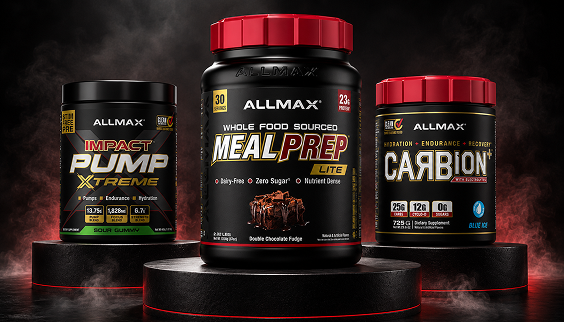
Dairy-free protein blends - such as ALLMAX MealPrep Lite, which combines six whole food-sourced dairy-free proteins - serves those with dairy allergies well. This blend offers a balanced amino acid profile from beef, chicken, salmon, egg albumin, pea, and brown rice, delivering 23g of protein per serving with zero whey, zero lactose, and no added sugar, supporting muscle maintenance and fullness. Formulated with Medium-Chain Triglycerides (MCTs), plant-based omega-3 fatty acids, and a 15-ingredient Organic Greens Blend, it is engineered for clean, daily nutrition without the digestive burden of dairy.
The practical approach? Use a balanced diet that combines whole foods-greek yogurt, lean meats, legumes, tofu-with targeted supplementation. More protein from diverse sources means better adherence and coverage of your protein needs.
Frequently Asked Questions
Can I lose weight just by adding a protein shake to my diet?
Not without adjusting your overall intake. Protein supplements work best as part of a calorie-controlled diet and exercise routine. If adding a shake creates a calorie surplus, you'll gain weight. Use shakes to replace higher-calorie foods, not stack on top of them.
Is it safe to drink protein shakes every day?
For healthy adults, yes. Daily use of a quality whey protein like Isoflex is safe and effective when it complements a balanced diet with adequate whole foods. Those with kidney disease or specific medical conditions should consult a healthcare professional first.
Are plant based protein powders as good as whey for weight loss?
They can be, provided you choose blends with a complete amino acid profile and enough protein per serving. However, whey isolate generally offers superior bioavailability and a more complete protein source per calorie. Total daily protein and calorie context matter most.
Do protein shakes make women bulky?
No. Building significant muscle mass requires specific, sustained training and calorie surplus. Protein shakes during a cut help women lose weight, preserve lean muscle, and improve body composition-not add bulk.
Should I worry about artificial sweeteners or heavy metals in protein powder?
Choose reputable, lab-tested brands and pay attention to your personal tolerance. Some plant based powders carry higher heavy metals risk per consumer reports data. ALLMAX Isoflex is lab-tested for purity, making it a reliable daily-use option.
When is the best time to drink protein shakes for fat loss?
Consistency matters most. Post-workout timing supports recovery and helps you build muscle during a cut. Morning or afternoon shakes help control hunger and prevent overeating. Match timing to when you're most likely to make poor food choices, and your weight loss journey will stay on track. Protein supplements are tools-combined with smart training, whole-food nutrition, and realistic expectations, they meaningfully support fat loss success.
References:
Aragon AA, Schoenfeld BJ, Wildman R, Kleiner S, VanDusseldorp T, Taylor L, Earnest CP, Arciero PJ, Wilborn C, Kalman DS, Stout JR, Willoughby DS, Campbell B, Arent SM, Bannock L, Smith-Ryan AE, Antonio J. International society of sports nutrition position stand: diets and body composition. J Int Soc Sports Nutr. 2017 Jun 14;14:16. https://pmc.ncbi.nlm.nih.gov/articles/PMC5470183/
Sepandi M, Samadi M, Shirvani H, Alimohamadi Y, Taghdir M, Goudarzi F, Akbarzadeh I. Effect of whey protein supplementation on weight and body composition indicators: A meta-analysis of randomized clinical trials. Clin Nutr ESPEN. 2022 Aug;50:74-83. https://pubmed.ncbi.nlm.nih.gov/35871954/