Quick Answer: What Is Natural Caffeine (and Why It Matters for Your Workout?)
Natural caffeine is caffeine derived from plant based caffeine sources, such as coffee beans, tea leaves, yerba mate, guarana, and cocoa, rather than produced synthetically in a laboratory. The difference isn’t in the molecule itself; both natural and synthetic caffeine share the identical chemical structure (called 1,3,7-trimethylxanthine for the chemistry nerds). What matters is that natural sources come bundled with antioxidants, polyphenols, and other beneficial compounds that influence how your body processes the stimulant.
For athletes and lifters: Caffeine can offer health benefits such as improved mood, focus, memory, and concentration when dosed correctly and timed 30–60 minutes pre-workout.
Performance edge: For most adults, 3–6 mg/kg (~1.5-3 mg/lb) caffeine can enhance exercise performance, reduce perceived effort, and boost energy levels during training4.
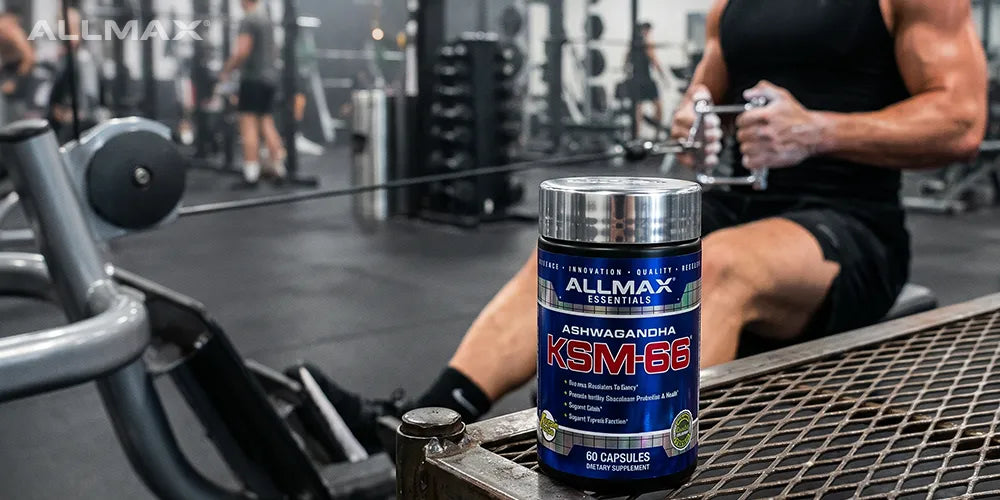
ALLMAX Nutrition formulates Acuts with natural caffeine from coffee beans and green coffee extract, providing a cleaner-feeling energy and focus boost without synthetic ingredients.

Natural Caffeine vs. Synthetic Caffeine: What the Science Actually Shows
Most controlled studies find natural and synthetic caffeine have nearly identical pharmacological effects at matched doses. The chemical structure of synthetic caffeine is identical to that of natural caffeine, meaning your body processes them through the same pathways.
Natural caffeine: Derived from coffee, tea, yerba mate, guarana, cocoa, and kola nut
Synthetic caffeine: Manufactured from urea or petrochemical precursors, then added to soda, traditional energy drinks, and some pre-workouts
Absorption data shows caffeine from coffee peaks in plasma around 45 minutes, while synthetic caffeine may peak slightly faster at 38–40 minutes9, 10. However, natural caffeine is absorbed more gradually than synthetic caffeine, often resulting in smoother and more sustained energy due to the presence of antioxidants and other plant compounds.
While synthetic caffeine is often associated with quick energy spikes followed by crashes, studies suggest that the effects of natural and synthetic caffeine on the body are almost indistinguishable, with only slight differences in absorption rates12. The perceived difference in “feel” typically comes from accompanying factors: sugar load, carbonation, presence of L-theanine, or additional stimulants, not the caffeine molecule itself.
Labeling note: In the U.S. and Canada, added caffeine must appear in ingredient lists, but naturally occurring caffeine in beverages often goes unquantified unless voluntarily disclosed. This matters when people rely on stacking coffee, pre-workout supplements, and energy drinks. ALLMAX has chosen to voluntarily disclose both the amount and source of natural caffeine used in Acuts for greater transparency.
How Natural Caffeine Works in Your Body
Caffeine blocks adenosine, a chemical that promotes sleep, leading to improved alertness, concentration, and memory. By antagonizing adenosine A1 and A2A receptors, caffeine increases dopamine and norepinephrine signaling, creating that familiar boost in vigilance and perceived energy4.
Bioavailability: ~99% oral absorption
Peak levels: 30–60 minutes post-consumption
Half-life: 3–6 hours (longer during pregnancy or with certain medications)
Metabolism: Primarily via liver enzyme CYP1A2
Genetic variability plays a significant role; “slow” metabolizers may experience anxiety, jitters, and sleep disruption at doses that “fast” metabolizers tolerate well.
For training, caffeine can reduce perceived exertion and pain, improve endurance performance by 2–4%, and enhance strength and power output at 3–6 mg/kg5, 7. Natural caffeine from green coffee or tea works through identical mechanisms but coexists with chlorogenic acids and catechins that may support gut health and antioxidant status.
Natural Caffeine Sources: Coffee, Tea, Cocoa, Guarana, and Beyond
Athletes often unknowingly stack multiple natural sources without tracking their total caffeine intake. Natural caffeine is found in several plants, including yerba mate, green tea, coffee beans, and guarana, which have been consumed for centuries for their energizing effects.
Source |
Caffeine per Serving |
|---|---|
Coffee |
95–150 mg per 8 oz cup |
Espresso |
60–80 mg per 1 oz shot |
Black tea |
40–80 mg per 8 oz |
Green tea |
20–30 mg per cup (plus L-theanine) |
Yerba mate |
Up to 80 mg per cup |
Matcha |
60–90 mg per 2 g serving |
Dark chocolate |
20–80 mg per 40 g bar |
Guarana extract |
40–80 mg per gram |
Yerba mate and green tea are known for their natural caffeine content and antioxidant properties, making them excellent choices for clean energy. These plants naturally produce caffeine as a pesticide, but humans have leveraged the stimulant for centuries in ritual and performance contexts.
Many beverages and supplements now emphasize these botanical sources. ALLMAX ACuts aligns with this approach, using natural-source caffeine integrated with amino acids for athletes seeking sustained energy.
Do Natural Caffeine Sources Offer Extra Health Benefits?
While caffeine drives the stimulant effect, natural caffeine sources often deliver nutrients and bioactives absent from sugar-heavy, artificially flavored food and drink options.
Coffee:
Rich in chlorogenic acids with antioxidant properties
Regular, moderate consumption of coffee and tea is linked to a lower risk of chronic conditions such as Parkinson’s and Alzheimer’s disease10
Studies link 3–5 cups daily to reduced all-cause mortality2
Green Tea:
Contains EGCG catechins and L-theanine for calmer focus
Natural caffeine sources, such as coffee and tea, have been associated with reduced risk of mortality and some chronic diseases, although the mechanisms (such as antioxidant compounds) are not fully established2,10.
Cocoa:
Provides flavanols that improve endothelial function
Some RCTs show modest improvements in blood pressure6
This contrasts sharply with traditional energy drinks containing large amounts of added sugars and artificial sweeteners without meaningful micronutrients. Those seeking caffeine free options like decaffeinated coffee or decaf coffee can still benefit from polyphenols, though they should avoid caffeine entirely if sensitive. Consult your doctor before making changes if you have concerns about overall health or obesity risk.
Natural Caffeine and Exercise Performance: Evidence-Based Benefits
Caffeine is one of the most consistently supported ergogenic aids in sports nutrition. Natural sources deliver these benefits when dosed appropriately:
Endurance: 2–4% improvements in time-trial performance at 3–6 mg/kg11
Strength/Power: Small-to-moderate increases in 1RM and sprint ability7
Cognition: Improved reaction time and reduced perceived effort5,10
Practical doses:
70 kg (155lb) individual: 210–420 mg
90 kg (200lb) individual: 270–540 mg
Most athletes achieve benefits at the lower range. Timing matters: consume caffeine 30–60 minutes pre-exercise. Natural caffeine, sourced from plants like green tea and yerba mate, is absorbed alongside antioxidants and plant compounds, resulting in smoother and more sustained energy compared to synthetic caffeine.
Spotlight on ALLMAX ACuts: Natural Caffeine + Aminos for Training and Daily Energy
ACuts is ALLMAX Nutrition’s amino-charged energy drink designed for athletes who choose natural caffeine over harsh synthetic blends. Natural energy drink powders are portable, easy to store, and allow for more control over flavor and intensity, making them a convenient option for daily energy support.
Caffeine Profile:
127 mg natural-source caffeine per scoop
Sourced from coffee beans and green coffee extract
Delivers energy without the jittery crash of extreme pre-workouts
Amino Matrix:
BCAAs (leucine, isoleucine, valine) for muscle protein balance
Taurine for cellular hydration
Metabolism Support:
Green coffee extract may support thermogenesis8
L-carnitine L-tartrate for fatty acid transport
Users of natural energy drink powders often report that these products help maintain steady energy levels throughout the day without the overwhelming effects of high sugar or heavy caffeine drinks. The approachable flavor profile and sugar-free formula make ACuts ideal as a pre-workout, intra-workout drink, or daily energy alternative to sugar-laden beverages. Natural caffeine is often found in powdered drink mixes, which can be easily mixed with water.

Safety, Side Effects, and How Much Natural Caffeine Is Too Much?
For most adults, up to 400 mg/day is generally considered safe3,10. Pregnant individuals should limit intake to ~200 mg/day.
Intake Level |
Daily Amount |
|---|---|
Light |
<150 mg (1–2 small coffees) |
Moderate |
150–300 mg |
Upper limit |
300–400 mg |
Too much caffeine can lead to problems. High doses of caffeine can cause anxiety, jitters, and nervousness. Excessive caffeine intake may lead to heartburn, stomach upset, and interference with calcium absorption, potentially contributing to bone thinning. Caffeine can significantly prolong the time it takes to fall asleep and reduce overall sleep quality.
Stacking warning: Track totals from coffee, tea, ACuts, and other supplements. At the moment you combine sources, you risk exceeding safe limits. Caffeine can also interact with certain medications; consult a healthcare professional if needed.
Start with half a serving of ACuts if you’re caffeine-sensitive. Pay light attention to how you taste your drink; portion size and timing matter for optimal results.
How to Use Natural Caffeine Strategically with ALLMAX ACuts
Use caffeine intentionally rather than constantly to stay energized while minimizing tolerance:
Pre-workout: Take 1 serving 20–30 minutes before training
Evening sessions: Use ½ serving to protect sleep
Daily energy: A smaller dose in late morning supports focus without disrupting rest
Avoid caffeine within 6 hours of bedtime
Consider occasional “deload weeks” - skipping caffeine for 3–7 days resets sensitivity. The combination of ACuts pre-workout with ALLMAX ISOFLEX post-workout creates a complete performance and recovery stack. Whether you eat a light meal or train fasted, ACUTS fits naturally into your routine: nature provides the caffeine, science guides the formulation.
Frequently Asked Questions
Is natural caffeine safer than synthetic?
Chemically identical, but natural sources contain caffeine embedded in nutrient-dense matrices without obscure stimulants.
Can I use ACuts every day?
Yes, provided total caffeine stays under 400 mg/day and sleep remains unaffected.
What’s the caffeine source in ACuts?
Coffee beans and green coffee extract, both natural caffeine ingredients.
Can I combine ACuts with coffee?
Yes, but add the mg from both. One ACuts plus an 8 oz coffee keeps most users around 250–300 mg.
Is ACuts okay for fasted training?
Yes! Negligible calories, compatible with most fasting protocols.
Does natural caffeine dehydrate you?
Moderate intake doesn’t meaningfully dehydrate habitual users; mixing ACUTS in water contributes to net fluid intake.
More people are discovering that natural sources like yerba mate, green tea, and guarana used in energy powders provide a boost without the downsides of synthetic alternatives.
References
Armstrong LE et al. (2007) Caffeine, fluid-electrolyte balance, temperature regulation, and exercise-heat tolerance. Exerc Sport Sci Rev, 35(3):135-40.
Ding M et al. (2015) Association of Coffee Consumption With Total and Cause-Specific Mortality in 3 Large Prospective Cohorts. Circulation, 132(24):2305-15.
U.S. Food and Drug Administration. “Spilling the Beans: How Much Caffeine Is Too Much?”
Fredholm BB et al. (1999) Actions of caffeine in the brain with special reference to factors that contribute to its widespread use. Pharmacol Rev, 51(1):83-133.
Goldstein ER et al. (2010). International society of sports nutrition position stand: caffeine and performance. J Int Soc Sports Nutr, 7(1):5.
Grassi D et al. (2015). Cocoa consumption dose-dependently improves flow-mediated dilation and arterial stiffness decreasing blood pressure in healthy individuals. J Hypertens, 33(2):294-303.
Grgic J et al. (2019). The effects of caffeine ingestion on isokinetic muscular strength: A meta-analysis. Journal of Science and Medicine in Sport, 22(3): 353-360.
Hursel R & Westerterp-Plantenga, MS. (2010). Thermogenic ingredients and body weight regulation. International Journal of Obesity, 34(4), 659–669.
Mitchell DC et al. (2014). Beverage caffeine intakes in the U.S. Food Chem Toxicol, 63:136-42.
Nawrot P et al. (2003). Effects of caffeine on human health. Food Addit Contam, 20(1):1-30.
Southward K et al. (2018). The Effect of Acute Caffeine Ingestion on Endurance Performance: A Systematic Review and Meta-Analysis. Sports Med, 48(8):1913-1928.
Zhang L et al. (2012). Caffeine in your drink: natural or synthetic? Analytic Chem, 84(6):2805-10.