

Anna Kasztenny, MSc.
Anna holds a Master’s degree in Bio-Pharmaceutical Science and Business Studies and a Bachelor of Medical Science with an Honors Specialization in Pharmacology. Alongside her academic background, she is a competitive bodybuilder and strength athlete who holds three provincial powerlifting records. As a former competitive gymnast and varsity cheerleader, she is passionate about health, performance, and evidence-based wellness.
GLP-1 medications like Ozempic, Wegovy, Mounjaro, and Zepbound are powerful tools for diabetes management and weight loss, but they come with a challenge most people don't expect: eating less food overall often means eating far less protein than your body needs. If you're wondering how much protein you should eat while on a GLP-1, the short answer is more than you probably think.
Quick Answer: How Much Protein Should I Eat on GLP-1?
For many adults using GLP-1-based medications during weight loss, a protein target of approximately 1.2 to 1.6 g/kg/day may be a practical starting range; needs should be individualized with a healthcare professional or dietitian. That's significantly higher than the standard Recommended Dietary Allowance (RDA) of 0.8 g/kg or 0.36 g/lb, which is simply a minimum to prevent deficiency and not an optimal target during active weight loss.
Here's what that looks like in practice. For a 150-pound person (about 68 kg), the daily protein target falls roughly between 82 and 110 grams. For a 200-pound person (about 91 kg), that range climbs to approximately 110 to 145 grams. As a general rule, aim for a daily protein intake of approximately 60 to 100 grams or more based on your body weight and goals.
A few things to keep in mind:
These are starting targets. People with kidney disease or other medical conditions should work with a healthcare provider before increasing protein intake.
GLP-1 medications can suppress appetite, making it challenging to meet protein needs. With fewer "food opportunities" each day, the protein density of every meal and snack matters more than ever.
ALLMAX Nutrition offers a range of high protein options, from whey isolate powders to ready-to-drink protein shots, designed to make hitting these numbers easier when appetite is working against you.
What Are GLP-1 Medications and How Do They Change Eating?
GLP-1 receptor agonists are a class of medication that mimics a natural gut hormone called glucagon-like peptide-1. This hormone plays a role in blood sugar regulation, appetite signaling, and digestion. Common GLP-1-based medications include Ozempic, Wegovy, Mounjaro, and Zepbound, prescribed for type 2 diabetes management and weight loss.
The primary way these drugs drive weight loss is by suppressing appetite and reducing what many users call "food noise," the constant background chatter of cravings and hunger signals. Clinical trials show that people on GLP-1s often consume 16 to 39% fewer calories than they did before starting treatment 1,2,3.
GLP-1s also slow gastric emptying, meaning food stays in your stomach longer. This leads to early fullness on smaller portions and, in some cases, nausea, especially in the early weeks. Among the most common side effects are nausea and constipation, which can further reduce food intake.
The result: you're eating less food, taking in fewer calories, and often skipping frequent meals. That makes getting enough protein and other essential nutrients significantly harder, especially if greasy foods or large meals trigger GI discomfort. This article focuses on people using GLP-1 medications for diabetes or weight management who want to preserve muscle and energy while losing body weight.
Why Protein Matters So Much When You're on a GLP-1
When you lose weight on a GLP-1, you're not just losing fat. Without adequate protein and exercise, a meaningful portion of that total weight comes from lean tissue, including muscle. Research suggests that up to 40% of weight lost can come from lean body mass if protein intake and resistance training are inadequate4. In the STEP-1 trial, participants who lost an average of 13.6 kg saw roughly 5.3 kg of that come from lean tissue5.
Eating enough protein is essential to prevent the loss of lean muscle mass during weight loss. Here's why GLP-1 protein intake matters so much:
Muscle preservation during weight loss can be aided by adequate protein intake, shifting the balance toward fat loss.
Adequate protein helps protect lean tissue and keeps metabolism healthy by supporting your resting metabolic rate.
Protein supports recovery after workouts, immune function, and overall well being.
Protein helps manage satiety during reduced appetite caused by GLP-1 medications, helping you feel satisfied on smaller meals.
Hair, skin, and nail health can suffer during rapid weight loss. Protein supports the maintenance of these tissues.
Research and position statements from organizations such as the International Society of Sports Nutrition (ISSN), along with reviews on protein and weight management, support consuming approximately 1.2–1.6 g of protein per kilogram of body weight per day (0.5-0.7 g/lb/day) during weight loss to help preserve lean muscle mass6. Simply put: does protein matter on GLP-1s? It's arguably the single most important macronutrient to get right.
How Much Protein Should You Eat on GLP-1? (By Body Weight)
Let's get specific. Elevated protein intake is often recommended during active weight loss with GLP-1 medications. The core recommendation: aim for 1.2 to 1.6 grams of protein per kilogram of body weight daily. "Per kilogram of body weight" simply means you divide your weight in pounds by 2.2 to get kilograms, then multiply by the target range.
The current RDA of 0.8 g/kg was designed to prevent deficiency in the general population. It's not an optimal protein target for someone in a calorie deficit or actively losing weight. For a quick mental shortcut, multiply your weight in pounds by 0.55 to 0.73 to estimate your daily target in grams.
Protein targets based on activity level:
Sedentary or light activity: lean toward 1.0 to 1.2 g/kg
Most GLP-1 users aiming for weight loss: 1.2 to 1.6 g/kg
Individuals with higher protein needs due to active lifestyles may require more than 1.6 g per kg of body weight, potentially up to 2.0 g/kg under professional guidance
Here's a simple reference table:
Body Weight (lbs / kg) |
Daily Protein Range (grams) |
|---|---|
132 lbs / 60 kg |
72–96 g |
150 lbs / 68 kg |
82–109 g |
165 lbs / 75 kg |
90–120 g |
198 lbs / 90 kg |
108–144 g |
220 lbs / 100 kg |
120–160 g |
For a 150-pound person, that's about 82 grams daily at the lower end. Most adults should view these as minimum effective targets rather than ceilings.
If you have kidney disease or other medical conditions, always get personalized advice from your healthcare provider before increasing protein. These guidelines assume healthy renal function.
Why It's Hard to Get Enough Protein on GLP-1 Medications
Here's what many GLP-1 users experience: you sit down to eat, take a few bites of chicken, and feel completely full. Or you simply forget to eat because the hunger signals that used to drive your day have gone quiet. Protein intake can drop by 30 to 50% on GLP-1 medications if you're not consciously working to prevent it: in a cross-sectional study of adults taking GLP-1 receptor agonists, only 43% met the minimum protein target of 1.2 g/kg/day, indicating that inadequate protein intake is common7.
The main barriers include:
Reduced appetite and fewer hunger cues throughout the day
Early fullness from slower gastric emptying, making large meals uncomfortable
Nausea or aversion to heavier, high protein meals, especially high fat foods
GI discomfort with large portions, particularly greasy foods or dense textures
When total calories drop sharply, protein is often the first macronutrient to fall short. People default to lighter, carb-heavy options like crackers, white bread, or toast because they're easier to tolerate.
This is a problem because protein isn't just another macronutrient. It's the key nutrient for maintaining muscle while body weight decreases. On a GLP-1 diet, every eating occasion needs to count. Choosing nutrient dense, high protein food choices becomes critical because you simply have fewer chances during the day to fit everything in. For many users, shifting from big, heavy meals to smaller, more frequent meals with a protein-first focus can ease side effects and make reaching protein goals more realistic.

Best High-Protein, Low-Volume Foods for GLP-1 Users
The key for GLP-1 users is finding protein sources that pack the most grams of protein per serving without requiring you to eat large volumes of food. Soft, sippable, or spoonable textures tend to be easiest to finish when fullness hits quickly.
Animal-based options:
Greek yogurt and skyr (15–20 g per cup)
Cottage cheese (14 g per half cup)
Eggs and egg whites (6–7 g per egg)
Lean poultry like chicken or turkey slices (25–30 g per 4 oz)
Fish and seafood such as tuna, salmon, and shrimp (20–28 g per 4 oz)
Whey protein isolate powders and ready-to-drink shakes
Plant-based and mixed options:
Tofu, tempeh, and edamame (10–20 g per serving)
Lentils and black beans in small servings or blended soups (8–9 g per half cup)
Pair these with whole grains like brown rice, leafy greens, or a drizzle of olive oil for a balanced plate.
Food |
Serving Size |
Protein (g) |
GLP-1 Notes |
|---|---|---|---|
Greek yogurt |
1 cup |
17–20 g |
Smooth, easy to eat, gentle on stomach |
Cottage cheese |
½ cup |
14 g |
High protein, low volume |
Chicken breast |
4 oz |
26 g |
Lean, may need to eat slowly |
Whey protein isolate shake |
1 scoop |
25–27 g |
Fast, liquid protein, easy to sip |
Eggs |
2 large |
12 g |
Versatile, soft texture |
Canned tuna |
3 oz |
20 g |
Quick, minimal prep |
Greek yogurt, cottage cheese, and protein shakes are among the most commonly tolerated food sources for GLP-1 users. For those who find solid food difficult, protein options designed for sensitive stomachs can make adding protein to your day much easier.
Protein Timing, Frequent Meals, and Eating When You're Not Hungry
Total daily protein intake is the most important factor. But how you distribute that protein throughout the day matters too, especially when appetite is limited.
Ideally, protein intake should be spread evenly across meals rather than consumed all at once. Distribute protein across meals and snacks as tolerated to make daily protein goals more manageable and to support muscle protein synthesis. Experts recommend 20 to 30 grams of protein at each meal when using GLP-1 therapies, which means aiming for roughly 25 to 30 grams of protein per meal across 3 to 5 eating occasions8.
Timing strategies that work:
Prioritize protein at breakfast, even if it's a light meal, to support muscle maintenance from the start of the day
Include protein within 1 to 2 hours after a strength session or intense workout
Use small, scheduled protein "check-ins" every 3 to 4 hours rather than waiting until you feel hungry
Start meals with protein to maximize intake before fullness sets in
Practical examples: a few spoonfuls of Greek yogurt, half a protein shake, a string cheese with almonds, or a small liquid protein shot between meals.
If you're wondering "Can I drink protein if I don't feel hungry?", the answer is generally yes. Gentle, small servings are usually fine. Stop before discomfort and always follow your healthcare provider's guidance. The goal is consistency, not forcing large volumes at once.
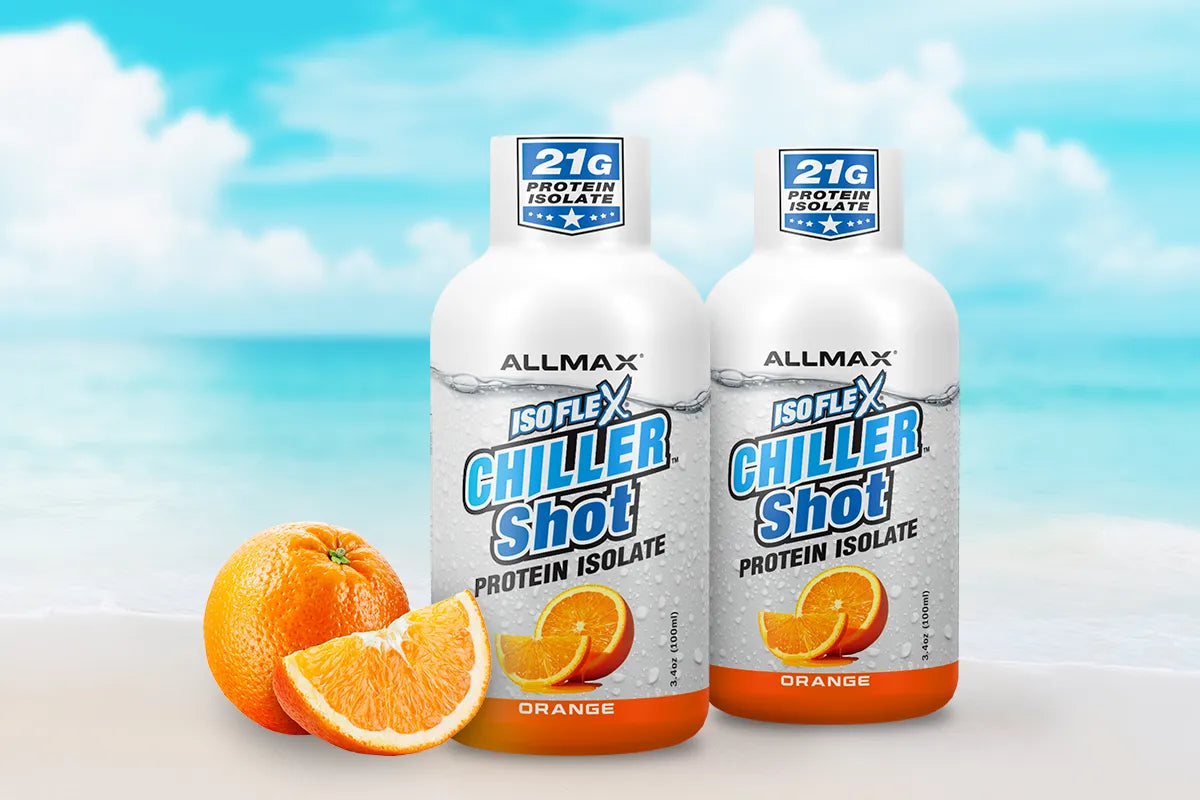
A Convenient GLP-1 Protein Option: Isoflex Chiller Protein Shot
For GLP-1 users who struggle to reach their daily protein target through food alone, Isoflex Chiller Protein Shot offers a practical solution. It's designed to make protein easier to consume when appetite suppression is at its strongest.
Here's what makes it work for this specific situation:
21 g of protein in only 3.4 oz, an extremely small volume
Made with 100% BLG whey protein isolate
Rich in essential amino acids, including leucine for muscle protein synthesis
Zero sugar, zero fat, with a clean label, dye-free formula
Rapid absorption, shelf stable, no mixing required
This small serving size may be a convenient option for people who experience appetite suppression and delayed gastric emptying while taking GLP-1s. Instead of struggling through a large meal or a full-size shake, you can sip a small shot and still get meaningful protein. It's portable enough to keep in a bag or desk drawer.
To be clear: Isoflex Chiller Protein Shot is not a treatment for diabetes, obesity, or any disease. It's simply a convenient source of high-quality whey protein isolate. Think of it as one tool among many. It helps support daily protein intake on days when solid food feels heavy, when you're traveling, or when nausea makes eating difficult.
Use cases include a quick post-workout protein source, a mid-afternoon high protein snack, or a way to top up protein on low-intake days while on GLP-1 medications.
Tips to Make Sure You're Getting Enough Protein on GLP-1
Perfection isn't the goal. Sustainable habits are. Here are practical strategies to consistently hit your protein goals even when appetite is working against you:
Choosing protein-dense foods first at meals is a common strategy for those on GLP-1 therapy. Eat your chicken, fish, or eggs before reaching for starches.
Choose high protein snacks like Greek yogurt, cottage cheese, eggs, jerky, or protein shakes throughout the day.
Using protein shakes can help meet protein goals when appetite is low. A scoop of whey protein isolate in water takes seconds.
Opt for smaller, more frequent meals instead of three large plates.
Avoid very greasy foods and high fat foods that can worsen nausea and crowd out protein.
Stay hydrated. Aim for eight to ten glasses of water daily, as dehydration risk increases with decreased appetite on GLP-1s. Water intake helps mitigate nausea and constipation effects. Sip fluids regularly between meals, following your healthcare provider’s guidance, so fluids do not crowd out protein-rich foods.
Resistance training complements higher protein intake by providing the stimulus for muscle retention. Aim for 2 to 3 strength training sessions per week to maintain muscle.
Fiber helps prevent constipation, a common GLP-1 side effect. Adults should aim for 25 to 38 grams of fiber daily. Fiber-rich foods can help you feel fuller on smaller meals and fiber promotes the growth of beneficial gut bacteria. Supplements like FiberBiotix can help increase fiber intake if whole food sources are limited.
Try ginger tea to ease nausea, especially in the early weeks of treatment.
If you're feeling tired, it may be a sign you're not eating enough protein or calories overall.
Consider tracking protein intake for 1 to 2 weeks using an app or food log. Many people overestimate how much protein they're eating, especially when calories drop. If you notice signs like weakness, slower workout recovery, or hair thinning, talk to your healthcare provider or a dietitian.
For meal prep ideas that prioritize protein, planning ahead can make a significant difference in your consistency.
Frequently Asked Questions About Protein and GLP-1 Medications
Can you lose muscle on GLP-1?
Yes. Without enough protein and resistance training, muscle loss is likely during rapid weight loss. Research suggests up to 40% of total weight lost can come from lean mass. Prioritizing protein and strength training significantly reduces this risk.
Is whey protein good while taking GLP-1?
Whey protein isolate is generally well-tolerated, high in essential amino acids, and convenient. It's one of the most efficient protein sources available. People with dairy allergies or kidney disease should consult their doctor first.
Are protein shakes necessary on GLP-1?
They're not required, but protein shakes are a helpful tool when appetite for solid food is low. They make it easier to reach your protein target without forcing large volumes of food.
Can I drink protein if I don't feel hungry?
Yes, in small, comfortable servings. Don't force intake to the point of nausea. A half-serving or a small protein shot is a reasonable approach. Always follow medical guidance.
What is the best protein for GLP-1 users?
Look for options with high protein per serving, low volume, minimal added sugar, and a complete amino acid profile. Whey protein isolate and convenient protein shots like Isoflex Chiller are strong options due to their protein density and ease of consumption.
Conclusion: Protein as Your Ally on GLP-1 Therapy
How much protein should you eat on a GLP-1? For most adults, aiming for about 1.2 to 1.6 grams per kilogram of body weight per day is one of the most important nutrition strategies to preserve muscle while losing body weight. Without deliberate attention to protein intake, the appetite suppression that makes GLP-1s so effective for weight loss can also lead to significant muscle loss.
Combining a high protein eating pattern with regular resistance training helps protect lean muscle mass, maintain metabolism, and support strength and physical function throughout your weight loss journey. Focus on nutrient dense, high protein foods, and use smaller, more frequent meals and low-volume protein options to meet your daily target despite reduced appetite.
Convenient, high-quality options from ALLMAX Nutrition, including protein powders and the Isoflex Chiller Protein Shot, can help you consistently reach your protein targets when solid food alone isn't enough. Partner with your healthcare team, listen to your body, and make every bite count.
References
Gabe MBN, Breitschaft A, Knop FK, Hansen MR, Kirkeby K, Rathor N, Adrian CL. Effect of oral semaglutide on energy intake, appetite, control of eating and gastric emptying in adults living with obesity: A randomized controlled trial. Diabetes Obes Metab. 2024 Oct;26(10):4480-4489.
Blundell J, Finlayson G, Axelsen M, Flint A, Gibbons C, Kvist T, Hjerpsted JB. Effects of once-weekly semaglutide on appetite, energy intake, control of eating, food preference and body weight in subjects with obesity. Diabetes Obes Metab. 2017 Sep;19(9):1242-1251.
Saxena AR, Banerjee A, Corbin KD, Parsons SA, Smith SR. Energy intake as a short-term biomarker for weight loss in adults with obesity receiving liraglutide: A randomized trial. Obes Sci Pract. 2021 Mar 9;7(3):281-290.
Mozaffarian D, Agarwal M, Aggarwal M, Alexander L, Apovian CM, Bindlish S, Bonnet J, Butsch WS, Christensen S, Gianos E, Gulati M, Gupta A, Horn D, Kane RM, Saluja J, Sannidhi D, Stanford FC, Callahan EA. Nutritional priorities to support GLP-1 therapy for obesity: A joint advisory from the American College of Lifestyle Medicine, the American Society for Nutrition, the Obesity Medicine Association, and the Obesity Society. Obes Pillars. 2025 Jun 3;15:100181.
Wilding JPH, Batterham RL, Calanna S, Davies M, Van Gaal LF, Lingvay I, McGowan BM, Rosenstock J, Tran MTD, Wadden TA, Wharton S, Yokote K, Zeuthen N, Kushner RF; STEP 1 Study Group. Once-Weekly Semaglutide in Adults with Overweight or Obesity. N Engl J Med. 2021 Mar 18;384(11):989-1002.
Jäger R, Kerksick CM, Campbell BI, Cribb PJ, Wells SD, Skwiat TM, Purpura M, Ziegenfuss TN, Ferrando AA, Arent SM, Smith-Ryan AE, Stout JR, Arciero PJ, Ormsbee MJ, Taylor LW, Wilborn CD, Kalman DS, Kreider RB, Willoughby DS, Hoffman JR, Krzykowski JL, Antonio J. International Society of Sports Nutrition Position Stand: protein and exercise. J Int Soc Sports Nutr. 2017 Jun 20;14:20.
Mogna-Peláez P, Guasch-Ferré M. Avoiding Malnutrition in the Era of Glucagon-Like Peptide-1 Medications: Emerging Evidence and Opportunities for Integrated Nutrition Care. J Nutr, 2026, 156(8): 101684.