

Author: Dr. Trevor Kouritzin
Dr. Trevor Kouritzin holds a Doctorate in Medicine, a Master’s degree in Human Nutrition, and a Bachelor’s degree in Chemical Engineering. During his academic career, Trevor actively pursued competitive bodybuilding, ultimately earning a pro card, while also participating in various team sports. He is deeply passionate about the clinical and therapeutic applications of dietary supplements for enhancing health, performance, and overall quality of life.
Creatine is one of the most studied fitness supplements available, and creatine monohydrate remains the gold standard. But not everyone wants to deal with scoops, shaker bottles, and chalky drinks. Creatine gummies offer a grab-and-go alternative that fits into busy routines without sacrificing efficacy. The question is whether those gummies actually deliver what the label promises.
This guide breaks down everything you need to know about creatine gummies: how they compare to powder creatine, what separates a quality gummy from a mediocre one, and how to use them to support performance, muscle strength, and even brain health.
Quick Answer: Are Creatine Gummies as Effective as Creatine Powder?
Yes. Creatine gummies can be as effective as creatine powder when they deliver an equivalent daily dose of creatine monohydrate. The evidence supporting creatine's benefits applies primarily to the ingredient and dose, rather than the physical format. Once it hits your digestive system, your body doesn't care whether it came from a scoop of powder or a chew.
ALLMAX Creatine Gummies provide 1,250 mg of creatine monohydrate per gummy. That means four gummies deliver a full 5 g daily dose, matching what most athletes take with traditional powder. The real factor that separates effective gummies from ineffective ones isn't the format itself; it's whether the product actually contains the creatine it claims. A standard effective daily dose of creatine is 3 to 5 grams, and any creatine supplement that consistently delivers that amount using monohydrate will get the job done.
What Are Creatine Monohydrate Gummies?
Creatine gummies are chewable supplements that deliver a measured amount of creatine monohydrate per gummy, replacing the need for scoops and mixing. Instead of stirring powder into water or a shake, you simply chew the recommended number of gummies and move on with your day.
Gummies can be more convenient for busy lifestyles compared to powders, and they mask the chalky taste of raw powder that turns some people off from supplementing consistently. ALLMAX Creatine Gummies come in Tropical Fruit Punch and Raspberry Lemonade-flavors that taste amazing and more like a soft candy than a chore. They deliver 1,250 mg per gummy without the gritty texture or bland flavor some people associate with traditional creatine powders.
What makes ALLMAX Creatine Gummies stand apart from typical options is what's not in them. They are sugar free and made without animal-derived gelatin (pectin free), making them suitable for vegans. Each gummy contains just 10 calories and 0 grams of added sugar, so you're fueling your body with creatine without extra junk in your diet.

Creatine Monohydrate 101: Why the Form Matters More Than the Format
Creatine is a naturally occurring compound stored primarily in skeletal muscle. It's also found in foods like red meat and fish, though most people don't get enough from food alone to maximize their stores. Your body uses creatine through the phosphocreatine system, where it donates a phosphate group to regenerate ATP-the immediate energy currency your muscles burn during intense effort.
Creatine monohydrate is the most extensively researched form. Decades of studies, including the International Society of Sports Nutrition's position stand, confirm that it supports increases in strength, power output, and lean body mass when combined with resistance training. Supplementing with 3–5 g of creatine per day can increase muscle creatine stores by roughly 20–40%, with the largest increases generally seen in people who start with lower baseline creatine levels.
Alternative forms like creatine hydrochloride, buffered creatine, and esterified versions often claim superior solubility or faster absorption. But systematic reviews consistently find that none of these fancy forms outperform monohydrate-and they typically cost significantly more. Products using Creapure creatine monohydrate (a well-known pharmaceutical-grade source) are popular, but the bottom line remains the same: creatine monohydrate is the ingredient that matters, regardless of whether it arrives in a powder, capsule, or gummy.
Creatine Gummies vs. Creatine Powder: Key Differences
Both gummies and creatine powders can deliver the same active ingredient. The difference comes down to convenience, flexibility, and personal preference. Here's a direct comparison:
Feature |
Creatine Gummies |
Creatine Powder |
Active ingredient |
Creatine monohydrate |
Creatine monohydrate |
Convenience |
Grab-and-go, no mixing required |
Requires water, shaker, or drink |
Dosing |
Fixed per gummy (e.g., 1,250 mg) |
Fully adjustable by scoop |
Travel |
Easy to carry in a bag |
Needs a container and mixing vessel |
Taste |
Flavored, delicious chew |
Unflavored or flavored powder |
Cost per gram |
Higher |
Lower (~$0.12/gram average) |
Gummies typically require several pieces to reach an effective daily dose. With ALLMAX, that's four gummies for 5 g. ALLMAX offers both Creatine Gummies and Creatine Monohydrate Powder, both using high-quality creatine monohydrate. The powder gives you maximum dosing flexibility and a lower cost per gram. The gummies give you zero-prep convenience. The best choice is whichever format helps you stay consistent.
Do Creatine Gummies Really Contain the Creatine They Claim?
This is where the creatine gummy market gets complicated. The formulation and manufacturing process can create challenges for maintaining creatine stability and potency, particularly when creatine is exposed to conditions that promote degradation. Creatine degrades over time when exposed to heat, moisture, and acidic conditions, and a gummy is a moisture-rich system that often involves heat during manufacturing.
The result? Some gummies may contain less creatine than claimed on the label. The problem isn't the concept of putting creatine in a gummy; it's that many brands don't account for the unique formulation challenges that gummies present.
ALLMAX addresses this directly. Our gummies use pharmaceutical-grade creatine monohydrate at 1,250 mg per gummy, manufactured through a low-temperature process designed to minimize degradation. Every lot is independently lab-tested for both purity and potency, not just for banned substances. This distinction matters.
ALLMAX Low-Temperature Gummy Technology & Ingredient Quality
The reason many gummies fall short on creatine content comes back to manufacturing. Standard pectin-based gummy systems can require processing temperatures around 104°C (219°F). At those temperatures, creatine can degrade to creatinine, a biologically inactive breakdown product. The more heat exposure, the less active creatine survives.
ALLMAX uses a proprietary, pectin-free gelling system derived from Eucheuma seaweed. This system allows processing at approximately 40°C (104°F), dramatically reducing heat exposure. The process is designed to help preserve creatine integrity and potency during manufacturing and throughout the product's shelf life, and is the core technical innovation behind ALLMAX Creatine Gummies.
The sugar free formula keeps each gummy at just 10 calories with 3 g of total carbohydrates, 0 g of total sugars, and 2 g of sugar alcohol. It's worth noting that the sugar alcohol maltitol can cause digestive issues for some people if consumed in large quantities, so this is something to keep in mind if you have a sensitive stomach.
ALLMAX products are manufactured in a cGMP facility with lot-level testing that covers ingredient identity, purity, and potency, not just banned-substance screening. This level of testing helps ensure that what you read on the label is what you actually get in each gummy.
How Much Creatine Is in ALLMAX Creatine Gummies? (Dosing Guide)
Each ALLMAX Creatine Gummy delivers exactly 1,250 mg (1.25 g) of creatine monohydrate. Here's how that scales:
Number of Gummies |
Total Creatine Monohydrate |
1 gummy |
1.25 g |
2 gummies |
2.5 g |
3 gummies |
3.75 g |
4 gummies |
5 g |
Most research supports a maintenance dose of 3–5 g per day, which means three or four gummies per day covers the effective range. Creatine can increase muscle creatine stores within two weeks of consistent daily intake at these levels.
Some protocols call for a loading phase-roughly 20 g per day for 5–7 days-to saturate stores faster. For loading, powder is more practical (16 gummies per day is technically possible but unwieldy). However, a loading phase isn't required. Consistent daily creatine intake at maintenance levels will saturate your muscles over a few weeks without the hassle.
When Should You Take Creatine Gummies?
Creatine works through daily saturation, not acute timing. Whether you take it before or after your workout matters far less than simply taking it every day.
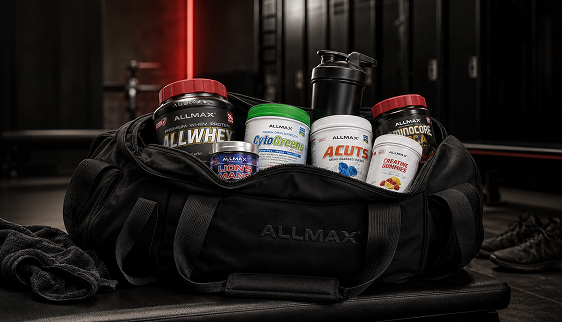
Pick a time that you can stick to. Take your gummies with breakfast. Toss them in your gym bag and chew them before workouts. Pair them with your post-workout protein shake. The goal is to anchor your creatine habit to something you already do, so it becomes automatic.
This is where gummies have a genuine advantage. There's no mixing, no shaker to wash, and no powder residue at the bottom of your drink. You can keep a bottle on your desk, in your carry-on, or in your locker. For anyone who travels frequently or trains at odd hours, eliminating the prep step can be the difference between remembering your dose and forgetting it. Consistency in creatine intake is important for enhancing its benefits and can be more important than any timing hack you'll find online.
Benefits of Creatine Gummies for Performance, Muscle, Cognition & Brain Health
The benefits of creatine monohydrate are well established. Creatine supports strength, power, and performance during repeated bouts of high intensity exercise, such as heavy sets, sprints, and explosive movements. When paired with progressive resistance training, adequate protein, and proper recovery, creatine supplementation can support muscle growth and improve strength over time.
Creatine may support recovery after strenuous exercise by reducing some markers of muscle damage and, in some studies, improving the recovery of muscle function and fatigue.
Beyond the gym, creatine is being studied for potential effects on cognitive function and mental clarity. Your brain is a high-energy organ, and creatine plays a role in cellular energy production there too. Research suggests potential cognitive benefits, especially under conditions like sleep deprivation or in individuals with lower dietary creatine intake. This doesn't mean creatine is a nootropic miracle, but the emerging evidence on brain health is worth paying attention to.
Creatine itself doesn't build muscle without the right training and nutrition. Think of it as one tool within a broader routine. Pair ALLMAX Creatine Gummies with Isoflex Whey Protein Isolate post-workout and Impact Igniter Xtreme 2.0 pre-workout for a comprehensive performance stack covering energy, muscle fuel, and recovery.
Who Are Creatine Gummies Best For?
Strength athletes and lifters who want to simplify their supplement routine are obvious candidates, but gummies also work well for CrossFit and HIIT enthusiasts, recreational gym-goers, and busy professionals who want an easy daily habit without the hassle of mixing powder.
If you find that creatine powders taste bad or leave a gritty residue, gummies solve that problem. They taste like a fruit-flavored treat rather than a chalky obligation, available in Tropical Fruit Punch and Raspberry Lemonade.
These gummies are also a strong fit for people with specific dietary preferences. They're suitable for vegans (no gelatin), for anyone seeking gluten free options, and for those watching their sugar intake. With zero added sugar per gummy, you don't have to compromise your diet for your creatine supplement.
Creatine is not just for men. Women can also benefit from creatine supplementation, particularly when it is combined with resistance training.
How to Add ALLMAX Creatine Gummies to Your Daily Stack
Building creatine gummies into your routine is straightforward. Here are two sample approaches:
The heavy lifter (training 5–6 days per week): Take four gummies daily for a full 5 g dose. Pre-workout, pair with Impact Igniter Xtreme 2.0 for energy. Post-workout, combine your gummies with Isoflex Whey Protein Isolate for recovery and muscle support. On rest days, take your usual number of gummies to maintain saturation; consistency matters with creatine.
The busy professional (training 3 times per week): Keep your gummies in your desk drawer or gym bag. Take three to four gummies at a consistent time each day: in the morning with coffee, midday with food, or post-workout. Stack with a wellness routine that includes greens, collagen, or a daily multivitamin. The simplicity of the gummy format makes it almost impossible to forget.
You can take creatine every day, including rest days. The priority is consistency over complexity. Whether you choose ALLMAX Creatine Gummies or ALLMAX Flavored Creatine Monohydrate Powder, both deliver high-quality creatine monohydrate. Pick the format that fits your lifestyle, your taste preference, and your dosing needs, then stick with it.
Frequently Asked Questions About Creatine Gummies
Are creatine gummies as effective as creatine powder?
Yes. The active ingredient in most quality gummies is creatine monohydrate, the same compound used in powder. If you consume an adequate daily dose consistently, the delivery format doesn't change the outcome. The key is choosing a brand that uses proper manufacturing and testing to ensure potency.
How many ALLMAX Creatine Gummies equal 5 grams of creatine?
Four gummies. Each ALLMAX gummy contains 1,250 mg of creatine monohydrate, so four gummies deliver a full 5 g dose.
Do I need a loading phase if I'm using creatine gummies?
No. A loading phase can speed up saturation, but it isn't required. A consistent maintenance dose of 3–5 g per day will fully saturate your muscles over a few weeks. If you do want to load, powder may be more practical for the higher daily amounts.
Are ALLMAX Creatine Gummies sugar-free, gluten free, and non GMO?
Yes. They contain 0 g total sugars and 0 g added sugar per gummy. They're also gluten free, non GMO, and made without gelatin.
Can I take creatine gummies on rest days?
Absolutely. Taking creatine daily - including rest days - helps maintain elevated muscle creatine stores. Consistency matters more than timing around exercise.
Do creatine gummies cause bloating or water retention?
Creatine can cause a small increase in intracellular water in muscles, which some people notice as slight weight gain. This isn't fat and typically isn't visible bloating. The effect is the same whether you use gummies or powder.
Are creatine gummies safe for women?
Yes. Creatine is safe and effective for both men and women. Research supports its use for improving strength, lean mass, and performance in women just as it does in men.
How long does it take to notice results from creatine?
With consistent daily use, you can begin building muscle creatine stores within two weeks. Noticeable improvements in strength and workout performance typically follow within 4–6 weeks of regular supplementation paired with training.
ALLMAX uses low-temperature processing to help ensure creatine content per gummy matches the label throughout shelf life, an important detail given the stability challenges other brands face. For additional information on how gummies compare to other forms, check out this detailed breakdown.
The bottom line: choose the format - gummies or powder - that you'll actually take every single day.
References
- Antonio J, Candow DG, Forbes SC, Gualano B, Jagim AR, Kreider RB, Rawson ES, Smith-Ryan AE, VanDusseldorp TA, Willoughby DS, Ziegenfuss TN. Common questions and misconceptions about creatine supplementation: what does the scientific evidence really show? J Int Soc Sports Nutr. 2021 Feb 8;18(1):13. https://pubmed.ncbi.nlm.nih.gov/33557850/
- National Institutes of Health, Office of Dietary Supplements. (2025). Dietary supplements for exercise and athletic performance: Fact sheet for health professionals. https://ods.od.nih.gov/factsheets/ExerciseAndAthleticPerformance-HealthProfessional/
- Buford TW, Kreider RB, Stout JR, Greenwood M, Campbell B, Spano M, Ziegenfuss T, Lopez H, Landis J, Antonio J. International Society of Sports Nutrition position stand: creatine supplementation and exercise. J Int Soc Sports Nutr. 2007 Aug 30;4:6. https://pubmed.ncbi.nlm.nih.gov/17908288/
- Kreider RB, Kalman DS, Antonio J, Ziegenfuss TN, Wildman R, Collins R, Candow DG, Kleiner SM, Almada AL, Lopez HL. International Society of Sports Nutrition position stand: safety and efficacy of creatine supplementation in exercise, sport, and medicine. J Int Soc Sports Nutr. 2017 Jun 13;14:18. https://pubmed.ncbi.nlm.nih.gov/28615996/
- Fazio C, Elder CL, Harris MM. Efficacy of Alternative Forms of Creatine Supplementation on Improving Performance and Body Composition in Healthy Subjects: A Systematic Review. J Strength Cond Res. 2022 Sep 1;36(9):2663-2670. https://pubmed.ncbi.nlm.nih.gov/36000773/
- Singh, S., & Dash, A. K. (2009). Creatine monohydrate. In Profiles of drug substances, excipients and related methodology (Vol. 34, pp. 1–35). Elsevier. https://pubmed.ncbi.nlm.nih.gov/22469171/
- Dash AK, Mo Y, Pyne A. Solid-state properties of creatine monohydrate. J Pharm Sci. 2002 Mar;91(3):708-18. https://pubmed.ncbi.nlm.nih.gov/11920756/
- Antonio J, Candow DG, Forbes SC, Gualano B, Jagim AR, Kreider RB, Rawson ES, Smith-Ryan AE, VanDusseldorp TA, Willoughby DS, Ziegenfuss TN. Common questions and misconceptions about creatine supplementation: what does the scientific evidence really show? J Int Soc Sports Nutr. 2021 Feb 8;18(1):13. https://pubmed.ncbi.nlm.nih.gov/33557850/
- Hultman E, Söderlund K, Timmons JA, Cederblad G, Greenhaff PL. Muscle creatine loading in men. J Appl Physiol (1985). 1996 Jul;81(1):232-7. https://pubmed.ncbi.nlm.nih.gov/8828669/
- Desai I, Wewege MA, Jones MD, Clifford BK, Pandit A, Kaakoush NO, Simar D, Hagstrom AD. The Effect of Creatine Supplementation on Resistance Training-Based Changes to Body Composition: A Systematic Review and Meta-analysis. J Strength Cond Res. 2024 Oct 1;38(10):1813-1821. https://pubmed.ncbi.nlm.nih.gov/39074168/
- Yamaguchi S, Inami T, Nishioka T, Morito A, Ishiyama K, Murayama M. The Effects of Creatine Monohydrate Supplementation on Recovery from Eccentric Exercise-Induced Muscle Damage: A Double-Blind, Randomized, Placebo-Controlled Trial Considering Sex and Age Differences. Nutrients. 2025 May 23;17(11):1772. https://pubmed.ncbi.nlm.nih.gov/40507040/