
If you train fasted, you've probably asked this question at least once. The answer isn't as black-and-white as most people think, and it depends heavily on why you're fasting in the first place. Here's everything you need to know about using BCAA supplements around your fasting window.
Quick Answer: Do BCAAs Break a Fast?
The short answer is yes-BCAAs technically break a fasted state. Branched chain amino acids contain calories and function as nutrient signals that shift your body out of a purely fasted metabolic state. A typical serving of BCAAs contains less than 50 calories, but those calories still count under strict fasting rules.
That said, the practical impact depends entirely on your main goal. If you're fasting for autophagy or deep metabolic benefits, BCAAs disrupt fasting benefits like autophagy and ketosis. If you're fasting primarily for fat loss or muscle preservation during training, many athletes accept a small BCAA dose because the tradeoff of protecting muscle and maintaining workout quality is worth the minimal caloric value.
At ALLMAX Nutrition, we prioritize evidence-based performance and muscle preservation. Our approach: understand how BCAAs break a fast on a physiological level, then decide whether to use them intelligently around your eating window based on your priorities.
What Happens When You Take BCAA During a Fast?
A fasted state typically means zero calorie intake: water, black coffee, and unsweetened tea only. Adding a BCAA supplement complicates that definition because you're introducing both calories and potent signaling molecules into a system that was otherwise running on stored fuel.
BCAAs are a specific group of amino acids, leucine, isoleucine, and valine, that serve as both energy substrates and direct activators of muscle tissue repair pathways. When consumed on an empty stomach during protocols like 16:8, 5:2, or eat stop eat, they absorb rapidly and can influence insulin, muscle protein synthesis, and perceived energy almost immediately.
The physiological impact exists on a spectrum: from strict water-only fasting for cellular cleanup to pragmatic fasting for body composition and performance. The following subsections break down exactly what happens.

BCAAs Contain Calories and Amino Acids
Each gram of amino acids provides roughly 4 kcal - identical to one gram of protein. A standard 5–10 g BCAA serving delivers approximately 20–40 calories, which means BCAAs break a fast under classic "no calories" rules.
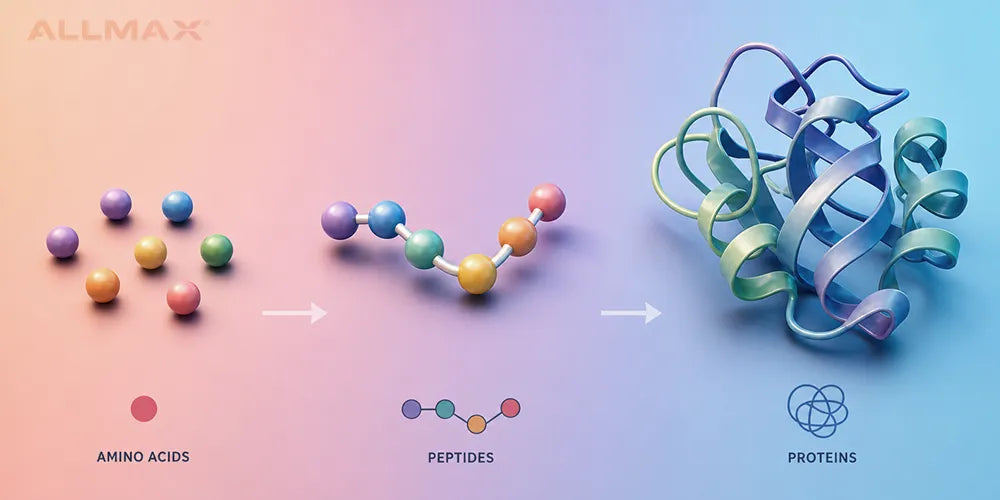
Amino acids are the building blocks of protein. The branched chain amino acids are a subgroup of three essential amino acids your body cannot manufacture on its own and must obtain from diet or supplements. What makes BCAAs somewhat unique is that they're metabolized directly in skeletal muscle rather than the liver, which is why athletes rely on them for recovery and performance around training1.
Even though the caloric value is low compared to food, it's still nutrient intake-and that matters to anyone following very strict fasting protocols.
Why Leucine Matters
Leucine is the key BCAA that switches on muscle protein synthesis through the mTOR (mechanistic target of rapamycin) pathway, making it central to muscle building and preservation. Research suggests a leucine threshold of roughly 2–4 g is needed to maximally stimulate this pathway in most adults2.
This leucine-triggered signaling is exactly what lifters want during a cutting phase or fasted training day to help preserve lean mass and support body composition. Consider an early-morning lifter taking 5 g BCAA (with ~2.5 g leucine in a 2:1:1 ratio) before fasted training: that dose is enough to activate mTOR and signal muscle growth.
But here's the catch-that same mTOR activation is what makes fasting purists say BCAAs go beyond "just a few calories." Leucine acts as a mini meal signal to muscle tissue and can stimulate insulin. If your priority is deep cellular fasting, you'd want to avoid leucine during the fasting window. If your priority is keeping more muscle during a cut, you may accept it.
Does Insulin Response Matter?
Leucine and isoleucine stimulate insulin secretion, which is one reason BCAAs can cause an increase in insulin levels. However, BCAAs alone won't cause a large insulin response; the bump is modest compared to a mixed meal with carbs and fat.
Intermittent fasting can improve insulin sensitivity over time, and that benefit exists on a spectrum. A small insulin signal from BCAAs before training is not the same as fully breaking the fast with a stack of pancakes. For blood sugar control and metabolic health, most people still see benefits even with a low-calorie BCAA dose around training.
For strict autophagy-focused fasting, any insulin rise or nutrient sensing may be considered counterproductive. Research is mixed on exactly how much a small BCAA dose blunts fat burning or autophagy, and practical outcomes often matter more than theoretical perfection. If you're highly insulin-sensitive and pursuing metabolic benefits above all else, keep all amino acids and calories strictly inside the eating window.
Does BCAA Break Intermittent Fasting?
By the strict definition, yes-bcaas break intermittent fasting because they deliver calories and trigger insulin signals plus nutrient-sensing pathways. By the practical, performance-driven definition, many people use them strategically and still achieve meaningful fat loss, muscle retention, and improved body composition.
The answer shifts depending on your primary goal. Here's how to think about it across the three most common fasting objectives. For a deeper dive into combining fasting with muscle-building nutrition, check out the Anabolic Fasting Diet guide.
If Your Goal Is Fat Loss
For pure weight loss, total weekly calorie balance is the biggest driver. The 20–40 calories from a BCAA serving are unlikely to make or break results if your overall deficit is solid. Intermittent fasting can lead to weight loss and maintenance, and fasting enhances fat burning by using stored body fat-a small BCAA dose doesn't erase that.
BCAAs kick you technically out of a fasted state but may help maintain training intensity and lean muscle mass, which indirectly supports better long-term body composition. If fasted cardio or lifting feels weak, 5–10 g BCAA as a pre workout can be a reasonable tradeoff. Some people find they can stick to a 16:8 or cutting protocol more easily when they allow a BCAA drink around training-and adherence matters more than theoretical perfection over the course of a diet.
Track body weight, measurements, and workout performance over 4–6 weeks to see if including BCAAs during the fast affects your results.
If Your Goal Is Metabolic Benefits
Metabolic benefits from fasting include improved insulin sensitivity, better glucose control, possible improvements in blood lipids, reduced inflammation, and cellular processes like autophagy3. Intermittent fasting may lower LDL cholesterol levels, fasting can reduce inflammation in the body, and fasting may lower the risk of heart disease4.
If you're pursuing maximal metabolic and longevity-related health benefits, follow a stricter "no calories, no amino acids" definition. If fasting for cellular health, weight loss, or autophagy, avoid BCAAs during the fasting window to minimize insulin signaling and nutrient sensing. Schedule resistance training or higher-intensity cardio within the eating window so that BCAAs, essential amino acids, or a protein meal can be consumed without interrupting the fast.
During the fasting period, stick to zero-calorie options: electrolytes without sweeteners, unsweetened black coffee, or plain tea.
If Your Goal Is Muscle Preservation
During cutting phases, contest prep, or recomposition diets, many bodybuilders and athletes prioritize preserving muscle tissue and training quality over strict zero-calorie fasting rules. BCAAs may help preserve muscle during fasting, and BCAAs help preserve muscle mass during fasting periods-making them a practical tool in these scenarios.
A BCAA supplement with a leucine-rich ratio before or during fasted training can support muscle protein balance and reduce muscle breakdown. Some athletes combine BCAAs with a small dose of caffeine or a stim-free pre workout to maintain intensity while keeping total calories very low.
BCAAs serve as a pragmatic, lower-calorie middle ground between training fully fasted and consuming a full protein meal before training. You build muscle more effectively when you can actually push hard in the gym.
Is It OK to Take BCAA During Fasted Cardio?
Fasted cardio remains a popular strategy among physique athletes and everyday gym-goers who consume nothing before morning cardio to potentially enhance fat metabolism. The need for BCAAs depends heavily on intensity and duration.
Low-Intensity Fasted Cardio
Walking, easy cycling, and Zone 2 sessions up to 45–60 minutes place relatively low stress on muscle tissue. For most healthy adults, BCAAs are usually not necessary here. Your body can rely on stored glycogen and fat without significant muscle breakdown during a slow, conversational-pace session.
If you're doing very long daily or double cardio sessions while also in a calorie deficit, BCAAs may offer some insurance against muscle loss. But for a standard 30–45 minute walk on an empty stomach, amino acid support is rarely needed. If you want something to sip, a zero-calorie alternative, like coffee or tea, is a better fit when strict fasting is a priority.
Higher-Intensity Cardio
Intervals, tempo runs, HIIT, spin classes, or sustained cardio over 60 minutes stress both glycogen stores and muscle tissue more heavily. BCAAs can enhance workout endurance and performance in these scenarios, and BCAAs can reduce muscle breakdown and soreness post-workout, making them a reasonable addition during a calorie deficit.
For athletes combining intermittent fasting with demanding endurance or conditioning work, a small BCAA drink during the fast is a practical compromise to protect performance and lean mass. Higher-intensity work performed regularly on a completely empty stomach can feel significantly harder and may impact adherence or training quality over the course of a week. Recent metabolomics research on acute BCAA supplementation before high-intensity cycling showed enhanced fat oxidation and reduced ammonia and lactate buildup5.
Does BCAA Improve Fasted Cardio Results?
BCAAs may reduce soreness and support muscle retention, but they do not magically double fat burning during fasted cardio. The main realistic expectation is maintaining lean mass and subjective training quality-not dramatically increasing calorie burn during the session.
Some studies suggest higher fat oxidation in a fasted state, but long-term fat loss depends mostly on total energy balance6. If BCAAs help you push slightly harder or train more consistently, they indirectly support better fat loss and body composition over weeks and months. Track performance metrics like heart rate, pace, and RPE to judge whether BCAAs are adding value to your fasted cardio.
Should You Take BCAA Before Fasted Training?
Resistance training places greater demands on muscle protein balance than cardio, so the decision to use BCAAs before fasted lifting carries more weight for muscle preservation. Here's how to evaluate the tradeoffs for your training style.
Resistance Training While Fasted
Fasted lifting typically means morning strength sessions after an overnight fast of 10–14+ hours. Training intensity - heavy compound lifts, high volume, long sessions - increases the risk of protein breakdown when no amino acids are available. BCAAs stimulate muscle protein synthesis after strength training, which is why many lifters consume them before hitting the weights.
More advanced lifters, lean individuals, or those in aggressive calorie deficits benefit most from a small dose. A common approach: 5–10 g BCAA with water 15–20 minutes before fasted resistance training. If strength is dropping, soreness is high, or recovery is lagging during a cut, adding BCAAs around fasted workouts may help you hold onto more muscle.
Training Performance vs Staying Fully Fasted
The core tradeoff: strict fasting rules versus maximizing workout quality, progression, and recovery. For physique and performance-oriented athletes, a small deviation from pure fasting can be justified if it preserves muscle and allows harder training.
For those whose non-negotiable is to stay fully fasted (whether for religious, metabolic, or personal reasons), consider adjusting training time into the eating window. An individual doing 16:8 could shift lifting to early afternoon and consume a protein-rich meal or EAAs plus carbs immediately pre- or post-workout, staying fully fasted in the morning. Rank your priorities - health markers, aesthetics, performance, adherence - and choose accordingly.
When People Commonly Consider BCAA
Early morning lifters who cannot stomach food but don't want to train totally empty are the most common BCAA users during fasted training. Others include athletes running long resistance training sessions or two-a-day training blocks where muscle breakdown risk is higher, and competitors in cutting phases close to a show or photoshoot when both fasting and muscle retention are priorities.
In each case, BCAAs offer a light amino acid intake that's easier to handle than a full protein shake or meal on an empty stomach while still delivering leucine and targeted muscle support. Many ALLMAX Nutrition customers stack Aminocore BCAA with creatine and a stim-free pre workout when training fasted, supporting strength, focus, and recovery with manageable calories. If sessions are under 45 minutes and moderate intensity, some do fine staying fully fasted.
BCAA vs EAAs vs Training Fully Fasted
Three main options exist for fasted trainers: staying fully fasted, using a BCAA supplement, or using a full essential amino acids supplement. The best choice depends on your balance between muscle preservation, strict fasting, and individual preferences.
BCAA Explained
Typical use cases include intra-workout sipping during fasted cardio, pre workout drinks for early morning resistance training, or between meals during a deep calorie deficit. The advantages: lower caloric impact than a full protein shake, rapid absorption, and targeted support for muscle recovery. The limitation: BCAAs alone are not a complete protein source since they lack other amino acids needed for maximal muscle growth.
Essential Amino Acids (EAAs)
EAAs include all nine essential amino acids-not just the three branched chain amino acids-providing a more complete building-block profile for muscle protein synthesis. They behave more like a small protein feeding, but with less calories than a typical protein shake or meal. EAAs are generally more effective than BCAAs alone for maximizing muscle growth because they supply all required substrates. From a strict fasting lens, EAAs are just as likely to break a fast. For a detailed breakdown, see our BCAAs vs EAAs comparison.
Which Option Fits Different Goals?
Option |
Fasting Purity |
Muscle Support |
Best For |
|---|---|---|---|
Fully fasted (water/coffee/tea) |
Highest |
Lowest |
Strict metabolic/autophagy goals |
BCAAs during training |
Moderate |
Moderate |
Fat loss + muscle retention balance |
EAAs during training |
Lower |
High |
Performance-focused athletes |
Protein meal before training |
Lowest (fed state) |
Highest |
Muscle building, sustained energy, bodybuilders in a gaining phase |
Fully fasted is best for strict metabolic and autophagy-focused goals but may compromise hard training. BCAAs offer a middle ground: they break a fast technically but are low calorie and support performance and lean mass. EAAs deliver the best muscle protein synthesis support and recovery. A full protein meal provides the greatest muscle support and satiety but shifts you fully into a fed state.
Choose the option that aligns with your goal hierarchy. ALLMAX Nutrition offers targeted products for each approach-from pure BCAAs to complete proteins
FAQs About BCAAs and Fasting
Do BCAAs break a fast for autophagy?
Yes. BCAAs activate mTOR signaling, which directly suppresses autophagy. If autophagy is your primary goal, avoid all amino acids during your fasting window.
Will a BCAA supplement kick me out of ketosis?
BCAAs can disrupt ketosis depending on dosage and timing. A small 5-10 g dose may have minimal impact on ketone production, but higher doses can reduce ketone levels as insulin rises and the metabolic state shifts.
How many calories in a typical BCAA serving?
A standard 5–10 g serving contains roughly 20–40 calories. That's well below 50 calories and negligible from a caloric standpoint, but still enough to trigger nutrient sensing.
Is it better to take BCAAs or EAAs if I'm intermittent fasting?
It depends on your goal. BCAAs, particularly leucine, help stimulate mTOR signaling and may help reduce muscle protein breakdown during fasting periods. EAAs provide all nine essential amino acids required for muscle protein synthesis, making them a more complete option for supporting muscle maintenance and recovery during extended fasting periods.
Can I use BCAAs on all intermittent fasting methods like 16:8, 5:2, and Eat Stop Eat?
You can, but the impact varies. On full fasting days (like eat stop eat or 5:2 low-calorie days), even small caloric inputs may be more significant. On 16:8, a pre workout BCAA dose is a common and generally well-tolerated approach for fitness-focused individuals.
Should I use BCAAs if I only walk or do very light cardio while fasting?
Probably not. Low-intensity fasted cardio places minimal stress on muscle tissue. Save your supplements for higher-intensity or resistance training sessions where the risk of muscle loss is greater and the performance benefits are clearer.
References
Santos CS, Nascimento FEL. Isolated branched-chain amino acid intake and muscle protein synthesis in humans: a biochemical review. Einstein (Sao Paulo). 2019 Sep 5;17(3):eRB4898.
Pasiakos SM, et al. Leucine-enriched essential amino acid supplementation during moderate steady state exercise enhances postexercise muscle protein synthesis. Am J Clin Nutr. 2011; 94(3):809-18.
Hua Z et al. Intermittent fasting for weight management and metabolic health: An updated comprehensive umbrella review of health outcomes. Diabetes Obes Metab. 2025;27(2):920-932.
Semnani-Azad Z, et al. Intermittent fasting strategies and their effects on body weight and other cardiometabolic risk factors: systematic review and network meta-analysis of randomised clinical trials. BMJ. 2025; 389:e082007. https://pubmed.ncbi.nlm.nih.gov/40533200/
Zhang X, et al. The Effect of Acute Supplementation of Branched Chain Amino Acids on Serum Metabolites During Endurance Exercise in Healthy Young Males: An Integrative Metabolomics and Correlation Analysis Based on a Randomized Crossover Study. Metabolites. 2026; 16(1):41.
Slater T, et al. Fasting Before Evening Exercise Reduces Net Energy Intake and Increases Fat Oxidation, but Impairs Performance in Healthy Males and Females. Int J Sport Nutr Exerc Metab. 2022; 33(1):11-22.