

Anna Kasztenny, MSc.
Anna holds a Master’s degree in Bio-Pharmaceutical Science and Business Studies and a Bachelor of Medical Science with an Honors Specialization in Pharmacology. Alongside her academic background, she is a competitive bodybuilder and strength athlete who holds three provincial powerlifting records. As a former competitive gymnast and varsity cheerleader, she is passionate about health, performance, and evidence-based wellness.
Agmatine sulfate is a supplement derived from the amino acid L-arginine that is commonly used to support muscle pumps, blood flow, and nitric oxide production during exercise. Beyond its role in pre-workout nutrition, researchers have also studied agmatine for its potential effects on recovery, insulin regulation, antioxidant activity, and aspects of cognitive and neurological health.
Although agmatine is widely used by bodybuilders and strength athletes for its pump-enhancing effects, current evidence suggests its broader health and performance benefits are still emerging. This article reviews the science behind agmatine sulfate, including its mechanisms of action, potential benefits, dosage recommendations, safety considerations, and how it fits into a performance-focused supplement routine.
Agmatine Potential Benefit |
What the Research Suggests |
|---|---|
Muscle Pumps & Blood Flow |
Supports nitric oxide production and vasodilation, helping increase blood flow and enhance muscle pumps during training. |
Nutrient Delivery & Recovery |
Improved circulation may support nutrient delivery to working muscles and recovery after exercise. |
Focus & Cognitive Support |
Acts as a neuromodulator and has been studied for supporting mood, stress resilience, and cognitive function, though human evidence remains limited. |
Insulin & Glucose Regulation |
Early research suggests agmatine may help support healthy insulin signaling and glucose metabolism, but more human studies are needed. |
Antioxidant & Cellular Support |
Demonstrates antioxidant activity and may help protect cells from oxidative stress in preclinical research. |
Cardiovascular Support |
By supporting nitric oxide production, agmatine may contribute to healthy blood flow and vascular function. |
Neuropathic Pain |
Clinical and preclinical studies suggest potential benefits for certain types of nerve-related pain, though this is not its primary sports nutrition use. |
Skin Bursting Pumps: Agmatine Sulfate
Like the amino acid L-arginine from which it is derived, agmatine sulfate is a decarboxylated arginine metabolite that acts as a major catalyst for driving blood into muscle tissue1. For this reason, it's also referred to as ‘super arginine' or the ‘perpetual pump'. For bodybuilders, athletes and fitness enthusiasts chasing better pumps, recovery and muscle growth, think of agmatine sulfate as a supercharged version of the traditional pump-producing arginine.
Many who take agmatine sulfate supplement report a specific tightness within their muscles that's not experienced with any other ‘pumping' product. Agmatine supersaturates the muscles with blood by selectively modulating a family of enzymes called the nitric oxide synthases (NOS), which can increase nitric oxide production and improve blood flow to working muscles20.
NO is an important multipurpose signaling molecule which helps govern a range of physiological processes, from neural development and insulin secretion to inflammation, cellular protection and immune function. However, in bodybuilding circles it's best known as a vasodilator, meaning it widens blood vessels, and for its ability to improve blood flow to working muscles8.
By supporting vasodilation, agmatine sulfate, aside from producing tremendous pumps, can also help to regulate blood pressure and can even reduce the symptoms of hypertension. Thus agmatine may also optimize cardiovascular functioning and improve health generally, both important when striving to keep the body in an anabolic state.
Increasing nitric oxide is an important way to increase both performance and muscle growth.
By improving the transportation of nutrients to working muscles, NO enables the muscles to work both harder and for longer. Also, improved blood flow may enhance the delivery of key performance nutrients, such as branched-chain amino acids (BCAAs) and carbohydrates, to working muscles. While this doesn't directly build muscle on its own, better nutrient transport can help support energy production, recovery, and the anabolic processes involved in muscle growth15.
Increased nutrient and blood delivery to the muscles can also effectively induce muscle protein synthesis while enhancing metabolic stress, which is an accumulation of metabolic byproducts such as lactate, hydrogen ion, inorganic phosphate and creatine. An accumulation of metabolic byproducts above and beyond normal levels increases the body's adaptation response, which signals the muscles to become larger and stronger17.
Greater nutrient delivery to the muscles also helps to improve recovery, a crucial step in the muscle remodeling process, while helping to remove metabolic waste products such as chloride, lactic acid, ADP and reactive oxygen species. While acute metabolic stress signals growth, the continued removal of metabolic waste is important for reducing pain, enhancing recovery and countering muscle fatigue.
Furthermore, the fascial layer which surrounds a muscle is stretched to full capacity whenever this muscle is engorged with blood. The greater the fascial stretching, the more muscular expansion and ultimate growth you are likely to experience17.
Indeed, the muscle pump serves to greatly expand the cellular membrane surrounding the muscle itself. Whenever this occurs, the integrity of the muscle cell is threatened. As a result the muscle is forced to strengthen its cellular structure while at the same time activating anabolic pathways such as mTOR to enhance protein synthesis and counter ensuing muscle tissue degradation17. By forcing more blood into muscle than would otherwise be possible, NO enables this important growth prerequisite to take place.
Agmatine exerts its powerful actions in different ways. Chief among these is its ability to stimulate the production of a specific type of Nitric Oxide Synthase called eNOS (endothelial) while limiting two other commonly secreted forms: iNOS (inducible) and nNOS (neuronal). It's the eNOS that stimulates vasodilation and enhances blood supply to the muscles. It's in this way that agmatine sulfate directly stimulates NO production. Concurrently, agmatine also selectively inhibits an enzyme that breaks down NO to keep NO levels consistently high when working out. This article also examines agmatine’s broader effects on recovery, stress, antioxidant activity, insulin regulation and muscle growth, while noting that long-term safety data remains limited.

Relax, Grow, and Support Mental Health
Supplemental agmatine sulfate exerts its powerful psychoactive effects by crossing the blood brain barrier where it can influence mood, reduce anxiety and depression, and has also drawn interest for depression, chronic pain, and possible PTSD support, enhance brain function and decrease stress levels22,26.
Current evidence has also drawn attention to agmatine for possible rapid-onset antidepressant effects, though findings remain early. One's mental state remains a frequently overlooked variable in relation to the achievement of impressive size gains. The more relaxed and less stressed we are, the faster the body can get to work healing damaged muscle tissue and translating gym efforts into enviable results. However, stress is often forced upon us, and we must deal with it as it arises. How we deal with stress through reasoning and general mental acuity may dictate how the body processes this stress. An inability to properly handle stress can lead to elevated levels of the muscle-depleting stress hormone cortisol and a corresponding reduction in the most prized of anabolic hormones, testosterone.
Agmatine in Anxiety, Depression, Stress, and Brain Function
Agmatine can help us to overcome stress in several ways. First, agmatine sulfate activates imidazoline receptors in the brain24. These receptors inhibit the central nervous system to assist in the reduction of certain mental health disorders, such as anxiety and depression, while also lowering blood pressure and regulating insulin secretion (each of which can result from and lead to elevated stress levels).
As well, agmatine sulfate binds with NMDA (N-methyl-D-aspartate) receptors in the brain, selectively blocks NMDA channels in neurons and is localized in excitatory synapses in the hippocampus, leading scientists to link agmatine sulfate to the regulation of glutamatergic neurotransmission in the brain10,21. Specifically, agmatine is believed to prevent the excessive accumulation of glutamate, a key neurotransmitter involved in learning, memory and perception25. However, when produced in excess, glutamate can also lead to the death of brain cells, restlessness, anxiety, an inability to focus and neuropathic pain.
Agmatine Can Improve Mood and Foster a Sense of Wellbeing
Agmatine sulfate also has analgesic actions. Thus it can also assist with the reduction of pain and inflammation2,9,13. Agmatine has been linked to the release of several types of endorphins and natural opioid substances in the brain, yet another of its benefits in terms of stress reduction and recovery.
An enzyme that produces agmatine in the body is increased whenever we are stressed, making agmatine secretion a natural response to anxiety3. In short, agmatine sulfate, as an endogenous neuromodulator and when taken in supplemental form, increases the activity of neurons associated with the handling of stress, anxiety and depression, with emerging research also suggesting possible support in PTSD11. As a result, it may increase the ability to handle stress while improving mood and fostering a sense of wellbeing, all important variables when seeking to improve performance, aid recovery and grow.
Further Benefits for Neuropathic Pain
Antioxidant Actions
Though beneficial on so many levels, exercise, and in particular exercise-related cellular oxidation and the concomitant production of oxidative-stress inducing free radicals, can also do great harm if not balanced with the proper intake of key antioxidants.
Research has shown that agmatine holds much promise as an antioxidant and for its ability to strengthen cells in light of its beneficial outcomes in models of illness and disease, with preclinical indications of neuroprotective interest in neurodegenerative disease, including Alzheimer's6,12. Most notably, agmatine sulfate has demonstrated powerful free radical savaging properties and by countering oxidative stress has been shown to reduce rotenone-produced cellular damage at the level of protein structure (rotenones are odorless, colorless, crystalline isoflavones, often used as a broad-spectrum insecticide, which can lead to mitochondrial dysfunction)7.
The antioxidant capacity of agmatine can afford protection from mitochondrial damage while offsetting inflammation due to its role in selective resistance to cell death4,5.
By reducing oxidative stress and inflammation, protecting mitochondrial function, and suppressing apoptosis, agmatine is believed to contribute to the beneficial effects observed with its administration in models of injury, inflammatory pathologies, and preclinical models of neurodegenerative damage. In short, agmatine can strengthen cells, reduce free radical accumulation, drive down chronic growth-restricting inflammation, and optimize the body's energy systems.
Insulin Regulation
Remember the imidazoline receptors from earlier? Aside from helping to address stress, these receptors are also of great benefit to regulating insulin secretion from the pancreatic beta cells19,23. And as we now know, agmatine sulfate stimulates the imidazoline receptors to optimize their functioning18.
Collectively there are 13 imidazoline receptors that are known to regulate insulin secretion. By selectively stimulating the release of more insulin, the anabolic processes associated with insulin production (such as the transportation of amino acids into muscle cells to optimize muscle protein synthesis) are engaged to a greater degree.
By taking agmatine, more blood glucose can be absorbed into the muscles18. Via agmatine supplementation we can therefore lower our blood glucose levels, support healthy blood sugar levels and insulin sensitivity, help offset insulin resistance, and enhance muscle glycogen storage to promote sustained energy levels and further enhance the muscle pump.
Neuropathic pain can result from diabetes and multiple sclerosis.
Muscle Pumping and Beyond: Taking Agmatine
One of the many benefits of intensive resistance training is the much-coveted muscle pump. The pump influences muscle growth on multiple levels and tells us we are properly targeting the muscles under attack.
Bodybuilders are forever seeking the edge in muscle pumping technology. The right combination of nutrients and specific pump-friendly ingredients will provide a definitive edge in volumizing the muscles to full capacity.
Agmatine sulfate, among the best of the these ingredients, will enable a tsunami of blood to rush into your working muscles, creating massive amounts of metabolic stress and significantly stretching the muscle cells and the fascial layer that surrounds them to force ongoing gains in lean muscle growth.
In addition, agmatine sulfate supports healthy cellular functioning (including neuronal health) to counter both mental and oxidative stress14. As well, it'll provide you with more focus and a mindset conducive to attacking the weights with a vengeance. With agmatine, improved insulin regulation will enable more glucose will be driven into muscle tissue to further accentuate the pump and to encourage the proper storage of performance nutrients.
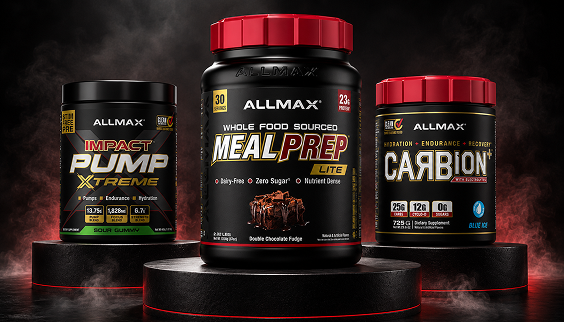
As part of a performance stack of pre-workout nutrients, agmatine is a sure bet. If the science along with real-world experience of countless happy customers is anything to go by, it's bound to give you the results you desire. Products such as ALLMAX's Agmatine with 750 mg of Agmatine Sulfate and ALLMAX Impact Pump Xtreme contain a great dose of this muscle pumping ingredient. 1 scoop of Agmatine and 1 scoop of Impact Pump Xtreme gives you 1000 mg!
Side Effects, Safety, and Dosage
Agmatine sulfate is generally considered safe when taken within recommended dosages, but like any supplement, it can cause side effects in some individuals. Minor gastrointestinal issues such as diarrhea, nausea, or stomach discomfort have been reported, especially when taken in higher doses. It is important to start with a lower dose to assess tolerance and avoid potential digestive upset.
Current research suggests that agmatine sulfate is possibly safe when consumed at doses up to 2.67 grams daily for periods up to two months. There is no universal standard dosage, and ranges used in studies and products vary from about 500 mg to 2.7 grams per day. However, long-term safety data remains limited, so consulting a healthcare provider before beginning supplementation is highly recommended, especially for people who are pregnant, breastfeeding, or diagnosed with any medical conditions; it is also wise to keep possible brain and mood effects in mind, particularly for those with psychiatric conditions.
Agmatine may interact with certain drugs by lowering blood sugar and blood pressure levels, so individuals taking medications for diabetes or hypertension should use caution, follow label directions and recommended use, and consult a healthcare professional. Additionally, due to its effects on insulin secretion and nitric oxide production, monitoring blood glucose and blood pressure is advisable during supplementation.
For best results, many users take agmatine sulfate in the morning or before workouts to maximize its pump-enhancing and cognitive benefits. Starting with a small dose and gradually increasing to the desired amount can help determine the optimal dosage for individual needs while minimizing side effects; read the label and monitor how you feel as the dose increases.
In summary, agmatine sulfate is a safe and effective supplement when used responsibly, with dosages between 500 mg and 2.7 grams daily being common. Always consult your healthcare provider to determine the appropriate dosage and ensure it fits your health profile and goals.
Frequently Asked Questions (FAQs) About Agmatine Sulfate
What is agmatine sulfate used for?
Agmatine sulfate is primarily used to enhance muscle pumps, support mental health by reducing anxiety and depression, improve cognitive function, and aid in recovery. It also helps regulate blood flow and insulin secretion, contributing to overall physical and neurological health.
How does agmatine sulfate improve muscle pumps?
Agmatine sulfate increases nitric oxide production by stimulating endothelial nitric oxide synthase (eNOS) and inhibiting enzymes that break down nitric oxide. This vasodilation improves blood flow to muscles, resulting in fuller, tighter, and longer-lasting muscle pumps during workouts.
Is agmatine sulfate safe to use?
When taken within recommended dosages (500 mg to 2.7 grams daily), agmatine sulfate appears safe for short-term use within studied ranges, though evidence for long-term safety remains limited. Some users may experience minor gastrointestinal side effects like diarrhea or nausea. Consulting a healthcare provider before use is advised, especially for those with medical conditions, and they may recommend an individualized dose based on medications, health status, and goals.
Can agmatine sulfate help with mental health conditions?
Agmatine sulfate shows promise in managing psychiatric conditions such as anxiety and depression, and research has also explored potential roles in PTSD, Alzheimer's, ADHD, stroke, and neuropathies, though evidence remains early. It modulates neurotransmitter systems, including imidazoline and NMDA receptors, which may improve mood, reduce stress, and enhance cognitive function, and some studies suggest rapid-onset antidepressant effects. However, more human studies are needed.
How should I take agmatine sulfate for best results?
Many users take agmatine sulfate first thing in the morning or before workouts, but there is no single standard timing or dosage that works for everyone. Beginning with a lower dose and adjusting based on tolerance and how you feel can help minimize side effects and find the optimal amount for individual needs.
Does agmatine sulfate interact with medications?
Agmatine may lower blood sugar and blood pressure levels, so individuals taking medications for diabetes, hypertension, or mental health concerns should consult a healthcare provider before use with peace of mind. Monitoring blood glucose and blood pressure during supplementation is recommended to avoid potential interactions. If combining agmatine with any drugs or other supplements, read product directions carefully and follow recommended use.
References
- Appleton, J. Arginine: Clinical potential of a semi-essential amino. Altern Med Rev. 2002 Dec;7(6):512-22.
- Aggarwal, S. et al. Agmatine enhances cannabinoid action in the hot-plate assay of thermal nociception. Pharmacol Biochem Behav. 2009 Oct;93(4):426-32.
- Aricioglu, F. et al. Agmatine attenuates stress- and lipopolysaccharide-induced fever in rats Physiol Behav. 2005 Jun 30; 85(3): 370–375.
- Arndt, M. A., et al. The arginine metabolite agmatine protects mitochondrial function and confers resistance to cellular apoptosis. Am J Physiol Cell Physiol. 2009 Jun;296(6):C1411-9.
- Arndt, M. A., et al. (2009) The arginine metabolite agmatine protects mitochondrial function and confers resistance to cellular apoptosis. Am. J. Physiol. Cell Physiol. 296, C1411– C1419.
- Battaglia, V., et al. (2007) Different behavior of agmatine in liver mitochondria: inducer of oxidative stress or scavenger of reactive oxygen species? Biochim. Biophys. Acta 1768, 1147–1153.
- Condello, S. et al. Protective effects of agmatine in rotenone-induced damage of human SH-SY5Y neuroblastoma cells: fourier transform infrared spectroscopy analysis in a model of Parkinson’s disease. Amino Acids. 2012 Feb;42(2-3):775-81.
- Duarte, W., et al. Differential regulation of L-arginine transport and inducible NOS in cultured vascular smooth muscle cells. Am J Physiol. 1995 Mar;268(3 Pt 2):H1158-64.
- Fairbanks, C. A., et al Agmatine reverses pain induced by inflammation, neuropathy, and spinal cord injury. Proc Natl Acad Sci U S A. 2000 Sep 12; 97(19): 10584–10589.
- Feng, Y., et al. Agmatine reduces extracellular glutamate during pentylenetetrazole-induced seizures in rat brain: A potential mechanism for the anticonvulsive effects. Neurosci Lett. 2005 Dec 30; 390(3): 129–133.
- Freitas, A. E., et al. Agmatine abolishes restraint stress-induced depressive-like behavior and hippocampal antioxidant imbalance in mice. Progress in Neuro-Psychopharmacology and Biological Psychiatry Volume 50, 3 April 2014, Pages 143-150
- Hong S., et al. (2008) Agmatine inhibits hypoxia-induced TNF-alpha release from cultured retinal ganglion cells. Biocell 32, 201–205.
- Keynan, O. et al. Safety and Efficacy of Dietary Agmatine Sulfate in Lumbar Disc-associated Radiculopathy. An Open-label, Dose-escalating Study Followed by a Randomized, Double-blind, Placebo-controlled Trial. Pain Med. 2010 Mar;11(3):356-68.
- Lee, W. T., et al. (2009) Neuroprotective effects of agmatine on oxygen-glucose deprived primary-cultured astrocytes and nuclear translocation of nuclear factor-kappa B. Brain Res. 1281, 64–70
- Nakaki, T. et al. Beneficial circulatory effect of L-arginine. Jpn J of Pharmacol. 1994 Oct;66(2):167-71.
- Reis, D. J., et al. Is agmatine a novel neurotransmitter in brain? Trends in Pharmacological Sciences. Volume 21, Issue 5, p187–193
- Schoenfeld, B. The mechanisms of muscle hypertrophy and their application to resistance training. J Strength Cond Res. 2010 Oct; 24(10):2857-72
- Sharawy, M. H., et al. Attenuation of insulin resistance in rats by agmatine: role of SREBP-1c, mTOR and GLUT-2. Arch Pharmacol. 2016 Jan;389(1):45-56.
- Sener, A. Stimulus-secretion coupling of arginine-induced insulin release. Insulinotropic action of agmatine. Biochem Pharmacol. 1989 Jan 15;38(2):327-30.
- Tuladhar, C., Z. et al. Rate of transport of L-arginine is independent of the expression of inducible nitric oxide synthase in HEK 293 cells. Nitric Oxide. 2005 Feb;12(1): 21-30.
- Wang, X. F., Agmatine modulates neuroadaptations of glutamate transmission in the nucleus accumbens of repeated morphine-treated rats. Eur J Pharmacol. 2011 Jan 10;650(1):200-5.
- Weiss, J. M., Depression and anxiety: role of the locus coeruleus and corticotropin-releasing factor. Brain Res Bull. 1994;35(5-6):561-72.
- Weitzel, G., et al. Insulin-like partial effects of agmatine derivatives in adipocytes. Hoppe-Seyler´ s Zeitschrift für physiologische Chemie 361.1 (1980): 51-60
- Wu, N., et al. (2008) Agmatine and imidazoline receptors: their role in opioid analgesia, tolerance and dependence. Cell. Mol. Neurobiol. 28, 629–641.
- Yang X. C., et al (1999) Agmatine selectively blocks the N-Methyl-D-Aspartate subclass of glutamate receptor channels in rat hippocampal neurons. J. Pharmacol. Exp. Ther. 288, 544–549.
- Zhu, M. Y., et al. Exogenous agmatine has neuroprotective effects against restraint-induced structural changes in the rat brain. Eur J Neurosci. 2008 Mar; 27(6): 1320–1332.