Berberine is a plant-based supplement used to support blood sugar, cholesterol, weight, and gut health, with modest benefits like small A1C and lipid improvements. Typical dosing is 500 mg taken 2–3 times daily with meals. It may cause mild digestive side effects early on and should be avoided during pregnancy, breastfeeding, or when taking certain medications without medical advice.

Dr. Trevor Kouritzin
PhD (Medicine), MSc (Nutrition), B.Eng (Chemical)
Scientific Affairs, AllMax Nutrition
Key Takeaways
Berberine is a plant-derived compound with traditional medicine roots, now used primarily for blood sugar regulation, cholesterol and triglyceride levels management, weight management, and gut health support.
Research shows modest benefits: expect a few pounds of weight loss over several months, A1C reductions of about 0.5–0.7 percentage points, and small improvements in lipid levels—not dramatic “Ozempic-like” results.
Typical supplemental doses range from 500 mg two to three times daily (up to ~1,500 mg/day for most adults), taken with or just before meals.
The most common side effects are digestive complaints like diarrhea, cramping, and nausea, especially during the first weeks.
Berberine should be avoided during pregnancy, breastfeeding, and in newborns; it also interacts with diabetes medications, blood thinners, and other prescriptions, making healthcare provider consultation essential.
What Is a Berberine Supplement?
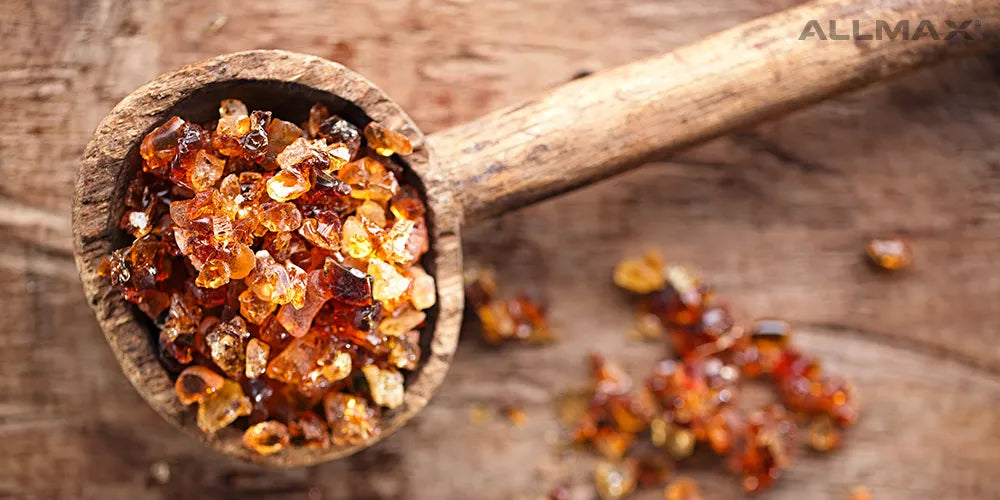
Berberine is a bright yellow alkaloid extracted from the roots, bark, and stems of plants like barberry (Berberis vulgaris), oregon grape (Mahonia aquifolium), goldenseal (Hydrastis canadensis), and tree turmeric (Berberis aristata). This compound has been used for over 3,000 years in traditional chinese medicine and Ayurvedic practices, primarily for treating digestive disorders, infections, and inflammatory conditions.
Modern berberine supplementation typically delivers berberine hydrochloride (berberine HCl) in capsule or tablet form, with emerging alternatives like dihydroberberine (DHB) gaining attention for potentially improved absorption. These products are targeted for metabolic health support—specifically blood sugar levels regulation, lipid levels improvement, and weight management assistance.
In the United States and Europe, berberine is classified as a dietary supplement rather than an FDA-approved drug. This distinction matters: quality, potency, and purity can vary significantly between brands, and the supplement industry doesn’t face the same rigorous testing requirements as pharmaceuticals. ALLMAX Nutrition products, however, undergo third-party testing and strict quality control processes to help ensure purity, potency, and label accuracy.
One critical point many consumers miss: “all natural” doesn’t automatically mean safe or side-effect free. Berberine interacts with over 30 molecular targets in the body and can behave more like a prescription medication than a typical herbal supplement. Medical guidance remains important before adding berberine to your routine.

How Berberine Works in the Body
Unlike most herbal supplements that have vague or poorly understood mechanisms, berberine acts on multiple well-characterized cellular pathways. This makes it pharmacologically active in ways that more closely resemble a drug than a simple botanical extract.
The primary mechanism involves AMP-activated protein kinase (AMPK), often called the body’s “metabolic master switch.” When berberine activates AMPK—increasing phosphorylation by two to three-fold in human cells—it triggers a cascade of metabolic effects. This AMPK activation increases energy burning, reduces stored fat accumulation, and improves how cells respond to insulin and utilize glucose. The process mirrors how metformin works, though through slightly different upstream pathways involving mitochondrial function.
Berberine also modulates the gut microbiome. Studies suggest it shifts bacterial populations, increasing beneficial species like Akkermansia muciniphila by 1.5 to 2-fold while reducing overgrowth of certain inflammatory bacteria [1]. This microbiome remodeling may contribute to improvements in glucose metabolism and reduced intestinal inflammation, as berberine suppresses proinflammatory responses through TLR4/NF-κB pathway downregulation.
In the liver, berberine influences cholesterol production and clearance by upregulating LDL receptors and affecting PCSK9 activity, leading to enhanced removal of LDL cholesterol from the bloodstream.
Most of these mechanisms are supported by a mix of laboratory research, animal studies, and relatively small human trials conducted primarily between the early 2000s and mid-2020s. While over 500 studies exist, more research—particularly large, long-term randomized controlled trials—is still needed to fully confirm these effects in diverse populations.
Evidence-Based Benefits of Berberine
Berberine stands out among herbal supplements for having some of the strongest clinical data supporting its use in metabolic health. A 2021 systematic review identified 116 randomized controlled trials examining berberine’s effects, and meta-analyses consistently show statistically significant benefits across several metabolic markers [2].
That said, the benefits are generally modest rather than dramatic. Most studies involve relatively small sample sizes (often 60–200 participants), last only 8–24 weeks, and were conducted primarily in Asian populations with type 2 diabetes or dyslipidemia. This limits how broadly results can be generalized.
The best-supported uses include:
Blood sugar and insulin sensitivity support in type 2 diabetes and prediabetes
Improvements in cholesterol and triglyceride levels
Modest weight loss and waist circumference reduction when paired with lifestyle changes
Other proposed berberine benefits—including support for nonalcoholic fatty liver disease, PCOS, and certain infections—show promise but derive from limited research or early-stage evidence. These applications should complement, not replace, standard medical treatment.
Blood Sugar and Insulin Support
Multiple randomized controlled trials lasting 3–6 months have found that berberine can lower blood sugar in people with type 2 diabetes or metabolic syndrome. The data are consistent enough that some researchers have compared berberine’s effects to metformin in newly diagnosed patients.
Here’s what the numbers typically show:
Fasting plasma glucose drops by approximately 0.5–0.9 mmol/L (roughly 9–16 mg/dL)
Hemoglobin A1C decreases by about 0.5–0.7 percentage points
Two-hour postprandial glucose improves by 1.5–2.0 mmol/L
A 2008 pilot study of 48 patients with type 2 diabetes demonstrated fasting glucose dropping from 9.6 to 7.8 mmol/L within just seven days, with effects sustained through week 13 [3]. These results are meaningful, though typically less pronounced than standard diabetes medications at optimal doses.
The mechanisms work through multiple pathways: improved insulin sensitivity via IRS-1/PI3K signaling, reduced hepatic gluconeogenesis (the liver’s glucose production), and slower carbohydrate breakdown in the gut through alpha-glucosidase inhibition. Studies suggest berberine may reduce gut glucose absorption by 20–30% [4].
Important safety note: If you take berberine alongside diabetes medications like metformin, sulfonylureas, or insulin, hypoglycemia risk increases significantly. Never stop or adjust prescription medication without physician guidance. People with prediabetes or insulin resistance sometimes use berberine alongside a balanced diet and activity changes, though long-term outcome data on diabetes prevention remain sparse.
Cholesterol, Triglycerides, and Heart Health
Clinical trials and meta-analyses confirm berberine can improve cholesterol and help reduce inflammation related to cardiovascular risk factors, particularly in people with metabolic syndrome or type 2 diabetes.
Typical improvements seen in pooled analyses include:
LDL cholesterol reduction: 20–25 mg/dL (approximately 0.57 mmol/L)
Triglyceride reduction: 25–35 mg/dL (0.24–0.94 mmol/L range)
Total cholesterol reduction: similar to LDL
HDL cholesterol increase: modest, around 0.1–0.2 mmol/L, more pronounced in short-term studies
These effects occur through upregulation of LDL receptor expression in the liver and impacts on PCSK9, improving the body’s ability to clear LDL from circulation.
While these lipid improvements contribute to better heart health profiles, they’re considerably smaller than what high-dose statins or PCSK9 inhibitors achieve. Berberine should be considered an adjunct—a supportive addition—rather than a replacement for prescribed heart disease medications when those are indicated.
Some studies show berberine may help reduce blood pressure slightly, though results are inconsistent. Direct evidence for fewer heart attacks or strokes with berberine alone is lacking. Cardiovascular protection still relies primarily on proven interventions: blood pressure control, smoking cessation, statins when appropriate, regular activity, and heart-healthy eating patterns.
Weight Management and “Nature’s Ozempic” Claims
Social media has popularized berberine as “nature’s Ozempic, ” but this comparison significantly overstates what the evidence actually shows. The reality: berberine may help you lose weight, but the effects are modest—a few pounds over several months, not the dramatic transformations associated with GLP-1 medications.
What clinical trials actually demonstrate:
Participants taking 500 mg two to three times daily for 12–16 weeks lost roughly 3–5 pounds more than placebo groups
Body weight reductions averaged about 2.0–4.5 pounds
BMI decreased by approximately 0.47–1.0 kg/m²
Waist circumference reduced by 1.5–2.5 cm
A 2021 meta-analysis of 12 studies (876 participants) found modest weight loss improvements in obesity parameters
The mechanisms differ substantially from GLP-1 agonists. Berberine works through AMPK-mediated metabolic effects, modest appetite suppression (ghrelin reduction of about 15%), and mild delays in gastric emptying. GLP-1 drugs like semaglutide (Ozempic, Wegovy) powerfully mimic gut hormones that dramatically reduce appetite and slow stomach emptying by 50–70%.
The outcome difference is stark: GLP-1 medications commonly produce 10–20% body weight reduction over a year in clinical trials. Berberine delivers modest weight loss of perhaps 2–5% at best.
Frame berberine as a potential add-on for people already committed to nutrition improvements, regular movement, and adequate sleep—not as a standalone or “miracle” fat-loss solution.

Gut and Digestive Health
Traditional medicine systems used berberine-rich plants for diarrhea, dysentery, and gastrointestinal infections for millennia. Modern research validates this traditional wisdom: berberine demonstrates broad-spectrum antimicrobial activity against bacteria, fungi, parasites, and protozoa, with minimum inhibitory concentrations of 4–64 µg/mL against pathogens including C. difficile and Candida species, and it is often discussed alongside probiotics that support digestive health and gut balance.
Beyond antimicrobial effects, berberine influences the digestive system by reshaping gut microbiota composition. Small human and animal studies show shifts toward beneficial bacterial populations, including increases in Akkermansia and Bacteroides species. A 2022 trial demonstrated symptom relief in small intestinal bacterial overgrowth (SIBO), with hydrogen breath test improvements of approximately 40%.
These microbiome changes may contribute to broader metabolic benefits, including improved insulin sensitivity, reduced systemic inflammation, and potentially altered appetite signaling. However, this research area remains early-stage with limited research confirming long-term effects.
The flip side: the same antimicrobial properties and microbiome-shifting effects likely explain why many users experience digestive side effects initially. Gas, cramping, and loose stools are common during the first weeks as the body adjusts.
Anyone with inflammatory bowel disease (Crohn’s disease, ulcerative colitis) or chronic GI conditions should consult a gastroenterologist before experimenting with berberine, as effects on already-disrupted gut ecosystems are unpredictable.
Common Forms and How to Take Berberine
Supplement formulation significantly affects both results and tolerability. The form you choose, the dose, and when you take berberine all influence how your body responds.
Standard berberine HCl capsules (typically 400–500 mg per capsule) remain the most widely available and extensively studied form as of 2024–2026. This is what appears in the vast majority of clinical trials. ALLMAX Berberine features berberine HCl in a standardized capsule format aligned with commonly studied dosages.
Dihydroberberine (DHB) represents a newer option with potentially superior absorption. Because DHB bypasses certain intestinal efflux transporters, early pharmacokinetic studies suggest it achieves 5–10 times greater bioavailability, potentially allowing effective results at doses of 100–200 mg once or twice daily.
Main delivery formats available include:
Capsules and tablets (most common)
Powdered blends
Liquid drops
Complex metabolic formulas combining berberine with cinnamon, bitter melon, chromium, or ginseng
Choose based on your tolerance, lifestyle preferences (ease of swallowing capsules versus using drops), and clinician guidance rather than marketing claims alone.
Typical Dosage Guidelines for Adults
Most studies have used total daily doses between 900 mg and 1,500 mg of berberine HCl, divided into two to three doses. A typical protocol involves 500 mg three times daily with meals, continued for periods ranging from 8 weeks to 6–24 months.
A practical starting approach for most adults:
Week |
Daily Dose |
Timing |
|---|---|---|
Week 1 |
500 mg once daily |
With breakfast |
Week 2 |
500 mg twice daily |
Breakfast and dinner |
Week 3+ |
500 mg 2–3 times daily |
With each main meal |
People at higher risk for side effects—those with sensitive digestion, smaller body weight, or taking multiple medications—may benefit from staying at 500–1,000 mg per day rather than pushing toward maximum studied doses. | ||
For dihydroberberine, typical ranges fall around 100–200 mg once or twice daily, reflecting its enhanced bioavailability.
There’s no universal “right” dose. A healthcare provider should help personalize dosing, especially for those managing diabetes, metabolic syndrome, or multiple chronic conditions.
Best Timing: Before, With, or After Meals?
Many practitioners recommend taking berberine just before meals or with the first few bites—particularly breakfast and dinner—to target blood sugar spikes and buffer potential GI discomfort.
Some research protocols used dosing 30 minutes before meals, but real-world use shows taking it shortly before or with food is usually easier and better tolerated. Taking berberine on an empty stomach increases nausea and cramping risk for sensitive individuals.
Key timing principles:
Avoid taking all daily berberine at once; splitting doses across 2–3 meals smooths blood levels and lessens side effects
Evening dosing alone may work for those starting cautiously
Extended-release or DHB products may allow once-daily dosing for improved compliance
Always follow label instructions and clinician recommendations for your specific product.
Side Effects and Safety Considerations
Berberine is considered “possibly safe” for most adults in doses up to about 1,500 mg daily for several months based on available trial data. However, side effects occur commonly, and serious interactions can develop with certain populations and medications.
Digestive complaints dominate the adverse effect profile:
Diarrhea (15–30% of users)
Constipation (approximately 10%)
Abdominal cramping and flatulence (around 20%)
Nausea (approximately 12%)
Bloating and gas
These symptoms typically peak during the first one to two weeks and improve as the body adjusts or doses are modified. Dropout rates in clinical trials run about 5–10% with berberine versus 3% with placebo, largely due to GI intolerance.
Less common reported issues include headache, dizziness, and mild blood pressure drops (around 5 mmHg systolic), particularly concerning for those already on antihypertensive drugs.
Practical strategies to improve tolerance:
Start with a low dose and increase gradually
Always take berberine with or just before meals
Avoid very high doses unless a clinician is monitoring
Consider DHB if standard berberine causes persistent GI distress
Who Should Avoid Berberine?
Certain populations should steer clear of berberine entirely or use it only under specialist supervision:
Pregnancy: Pregnant individuals should not take berberine. It crosses the placenta and has been associated with kernicterus-like complications in newborns in case reports. The risk of bilirubin-related injury to developing fetuses makes this an absolute contraindication.
Breastfeeding: Berberine passes into breast milk at levels estimated at 0.1–1% of maternal dose. Concern for jaundice and bilirubin-related brain injury in young infants makes breastfeeding a high-risk period for maternal berberine use.
Newborns and infants: Children with elevated bilirubin or jaundice must not receive berberine, as it may worsen bilirubin accumulation and increase kernicterus risk.
Severe organ disease: Those with significant liver disease, kidney failure, or cardiac conduction abnormalities should avoid berberine or use it only under specialist supervision due to altered drug clearance and potential heart rhythm effects.
Children and adolescents: Pediatric use should only occur under specialist supervision, as most safety data derive from adult populations.
Drug Interactions to Know About
Berberine inhibits key liver enzymes (CYP3A4, CYP2D6) and drug transporters (P-glycoprotein), potentially raising blood levels and side effects of numerous medications. Independent testing and clinical observations highlight several high-priority interactions:
Medication Class |
Interaction Risk |
Concern |
|---|---|---|
Diabetes drugs (metformin, sulfonylureas, insulin) |
High |
Additive blood sugar lowering, hypoglycemia |
Blood pressure medications |
Moderate–High |
Additive hypotension, dizziness |
Blood thinners (warfarin) |
Moderate |
INR elevation (~20%), bleeding risk |
Statins (simvastatin, etc.) |
Moderate |
2x blood level increase, myopathy risk |
Sedatives/sleep medications |
Moderate |
Enhanced sedation |
Immunosuppressants (cyclosporine) |
High |
~50% blood level increase, toxicity |
Both berberine and prescription medications affecting blood sugar can combine to cause dangerous hypoglycemia. Similarly, combining berberine with antihypertensives may cause lightheadedness or fainting from excessive blood pressure drops. | ||
Anyone taking multiple medications—especially drugs with narrow therapeutic windows—must consult their prescriber or pharmacist before adding berberine. Keep a complete, updated list of all medications and other supplements to share with your healthcare team.
How to Choose a High-Quality Berberine Supplement
Supplement quality varies substantially. Independent testing by ConsumerLab in 2023–2025 revealed that 20–30% of berberine brands contained less than 80% of labeled content, underscoring the importance of careful product selection.
When evaluating products, look for:
Explicit labeling stating exact form and amount (e.g., “Berberine HCl 500 mg per capsule”)
Third party tested verification with seals from Verified for Sport
GMP (Good Manufacturing Practices) facility compliance noted on label
Clear disclosure of allergen status (gluten-free, soy-free) and vegan/gelatin-free options if relevant
Transparent ingredient lists without hidden proprietary blends
Independent customer reviews provide some guidance, but quality markers and professional recommendations matter more than social media endorsements or influencer promotions.
Berberine HCl vs. Dihydroberberine (DHB)
Berberine HCl remains the classic, most researched form—appearing in 99% of published clinical trials. Dihydroberberine is a reduced (hydrogenated) form that the body converts back to berberine after absorption.
Berberine HCl advantages:
Extensive evidence base (500+ studies)
Cost-effective (~$0.20/dose)
Widely available
Berberine HCl disadvantages:
Poor bioavailability (~1%)
Higher GI side effect rates (35% incidence above 1 g/day)
DHB advantages:
Superior pharmacokinetics (4.8x higher peak plasma levels in crossover studies)
Better tolerability (GI effects ~10% vs 28%)
Lower effective doses (100–200 mg daily)
DHB disadvantages:
Limited human evidence (fewer than 5 trials with small sample sizes)
Higher cost (~$0.50/dose)
Conversion variability between individuals
Some clinicians prefer starting with standard berberine due to its larger evidence base, switching to DHB if tolerance issues arise. Medical advice should guide the final choice, particularly for those with chronic conditions.
Red Flags and What to Avoid
When shopping for berberine, watch for these warning signs:
Proprietary blends hiding exact berberine content (e.g., “Metabolic Complex 750 mg” without specifying berberine amount)
Unrealistic claims promising “Ozempic-level” or “miracle” weight loss
Stimulant combinations with synephrine, yohimbine, or high-dose caffeine
No Certificate of Analysis (COA) available on request or website
Ultra-cheap pricing significantly below market rates (may indicate under-dosing or contamination)
Red yeast rice combinations without clear labeling (can add statin-like effects and interactions)
Products manufactured in GMP-certified facilities offer more reliability. When uncertain, consult a registered dietitian, pharmacist, or integrative medicine clinician for brand recommendations tailored to your health profile.
How to Fit Berberine Into a Healthy Lifestyle
Berberine works best as a complement to—not a substitute for—evidence-based lifestyle strategies. Nutrition, physical activity, sleep quality, and stress management remain foundational for metabolic health. Think of berberine as one potential tool among many, not the central focus of your efforts.
Research supports combining approaches. A 2022 randomized trial found that berberine plus 150 minutes weekly of aerobic exercise produced A1C reductions of approximately 1.0%—double the 0.5% seen with berberine alone.
Practical integration strategies:
Pair berberine with regular movement (20–30 minutes of brisk walking or resistance training most days)
Maintain a balanced diet emphasizing whole foods, fiber, and limited processed carbohydrates
Track objective markers (fasting glucose, A1C, lipid panels, waist circumference, blood pressure) with your healthcare provider every 3–6 months
Monitor subjective responses like energy levels, digestive comfort, and post-meal feelings
If no meaningful improvements appear after 3–4 months of consistent use alongside lifestyle efforts, it may be appropriate to discontinue berberine and redirect focus toward other strategies with clinician guidance.
How long does it take for a berberine supplement to start working?
Some people notice mild changes in digestion, appetite, or post-meal blood sugar within one to two weeks, particularly when monitoring with a home glucose meter. More measurable changes in A1C, cholesterol, and body weight typically require consistent use for 8–12 weeks—similar to the timeline for many prescription metabolic medications. Plan to reassess with your healthcare provider after about three months to evaluate whether the benefits justify continued use.
Can I take berberine long-term?
Clinical trials have used berberine safely for up to 6–24 months in adults, with some published data from Clinical Nutrition and the International Journal of Endocrinology supporting this duration. However, robust data on multi-year daily use remain limited. Most experts recommend periodic breaks or re-evaluation every 6–12 months with laboratory testing and medical review to ensure no emerging side effects or interactions develop. Long-term use should only continue under medical supervision, especially when other chronic medications are involved.
Is berberine safe for people with PCOS or fatty liver disease?
Small studies suggest berberine may improve insulin resistance, androgen levels, and lipid profiles in polycystic ovary syndrome (PCOS), with meta-analyses showing approximately 25% insulin reduction and 20% testosterone reduction [5]. For nonalcoholic fatty liver disease, trials indicate potential reductions in liver fat (15–20% via MRI) and improvements in liver function enzymes. However, these findings are encouraging but preliminary. Berberine should serve as an adjunct to—not replacement for—treatments recommended by an endocrinologist or hepatologist. Discuss specific goals, dosing, and monitoring plans with specialists before starting, especially for postmenopausal women with metabolic concerns.
Can I take berberine with metformin or GLP-1 medications like Ozempic?
Combining berberine with metformin or GLP-1 agonists can amplify blood sugar-lowering effects, increasing hypoglycemia risk. Studies have shown synergistic effects on A1C (reductions up to 1.5% with combination therapy) but also elevated risk of adverse events. Such combinations should only be undertaken with explicit permission and close monitoring by the prescribing clinician, including potential dose adjustments of prescription medication. Monitor symptoms of low blood sugar—shakiness, sweating, confusion, rapid heartbeat—and know how to respond if they occur.
Is berberine better in a blend with other ingredients or on its own?
Some formulas combine berberine with complementary ingredients like Ceylon cinnamon, bitter melon, chromium, or ginseng, which may provide broader metabolic support. However, blends increase dosing complexity and interaction risks. Beginners or those taking multiple medications often do best starting with a single-ingredient berberine supplement to clearly assess tolerance and effects. If using blends, look for transparent labeling of each ingredient’s dose and avoid products hiding amounts behind proprietary blend names. Consult your healthcare provider to determine which approach fits your health situation.
Reference
[1] Mruk-Mazurkiewicz H, et al. Insights into the Mechanisms of Action of Akkermansia muciniphila in the Treatment of Non-Communicable Diseases. Nutrients. 2024;16(11):1695. doi:10.3390/nu16111695
[2] Asbaghi O, Ghanbari N, Shekari M, Reiner Ž, Amirani E, Hallajzadeh J, Mirsafaei L, Asemi Z. The effect of berberine supplementation on obesity parameters, inflammation and liver function enzymes: A systematic review and meta-analysis of randomized controlled trials. Clin Nutr ESPEN. 2020 Aug;38:43-49. doi: 10.1016/j.clnesp.2020.04.010. Epub 2020 May 6. PMID: 32690176.
[3] Colagiuri S, Cull CA, Holman RR. Are lower fasting plasma glucose levels at diagnosis of type 2 diabetes associated with improved outcomes? U.K. Prospective Diabetes Study 61. Diabetes Care. 2002;25(8):1410–1417. doi:10.2337/diacare.25.8.1410. Available at: View study on PubMed
[4] Zhang M, Lv X, Li J, et al. Berberine Decreases Intestinal GLUT2 Translocation and Reduces Intestinal Glucose Absorption in Mice. Frontiers in Pharmacology. 2021;12:—. Available at: https://pmc.ncbi.nlm.nih.gov/articles/PMC8745600/
[5] Xie L, Zhang D, Ma H, et al. The Effect of Berberine on Reproduction and Metabolism in Women with Polycystic Ovary Syndrome: A Systematic Review and Meta-Analysis of Randomized Controlled Trials. Evidence-Based Complementary and Alternative Medicine. 2019;2019:7918631. Available at: https://pmc.ncbi.nlm.nih.gov/articles/PMC6930782/