


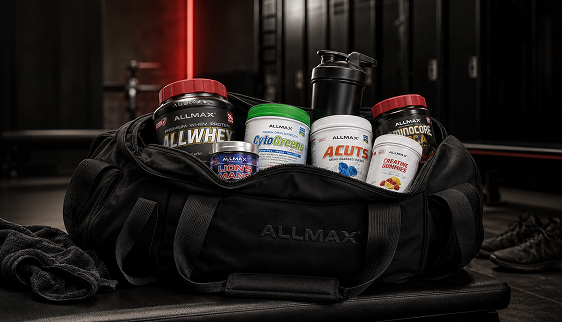


How much fiber per day do you really need? Most adults consume only about 15 grams of fiber per day, which is roughly half of the recommended amount. The recommended daily intake of fiber for adults typically ranges from 21 to 38 grams, depending on age and biological sex. Children over the age of one should consume 19 grams of fiber daily, gradually increasing to the adult recommendations as they age. A simple way to calculate your specific needs is to aim for 14 grams of fiber for every 1,000 calories consumed.
Getting enough fiber is best achieved through a food-first approach, focusing on consuming plant-based foods such as fruits, vegetables, legumes, and whole grains. Animal products like meat, eggs, and dairy do not contain fiber, so it’s important to prioritize plant-based sources. Supplements can help fill gaps if you struggle to meet your needs through diet alone.
Quick Recommendations For Fiber Intake
The recommended daily fiber intake varies by age and sex. Women aged 50 and under should aim for about 25 grams per day, while men in the same age group are advised to consume around 38 grams daily. For individuals over 50, the recommended intake decreases slightly to 21 grams for women and 30 grams for men. Despite these guidelines, most adults consume only about 15 grams of fiber per day, which is roughly half the recommended amount, highlighting a common shortfall in typical diets.
In addition to total fiber intake, it is beneficial to target a daily soluble fiber intake of approximately 6 to 8 grams. Soluble fiber plays a crucial role in lowering blood sugar and cholesterol levels, contributing to heart health and improved glycemic control. Including a mix of both soluble and insoluble fiber in your diet ensures comprehensive digestive benefits and supports overall wellness.
What Is Dietary Fiber?
Dietary fiber is a type of carbohydrate found in plant foods that the body cannot digest, but it plays a crucial role in supporting digestive health and overall wellness. There are two main types of dietary fiber: soluble fiber, which dissolves in water and can help lower cholesterol and regulate blood sugar, and insoluble fiber, which does not dissolve in water and helps promote regular bowel movements. Each type serves different functions in the body, contributing to healthy digestion, nutrient absorption, and gastrointestinal health. Including adequate dietary fiber in your nutrition is essential for nourishing and supporting the body's functions, making it a key component of a balanced diet.

Soluble Fiber: Benefits And Sources
Soluble fiber is a type of dietary fiber that dissolves in water, forming a gel-like substance in the digestive tract. This property allows soluble fiber to help lower blood sugar and cholesterol levels, making it especially beneficial for heart health and glycemic control. Key sources of soluble fiber include oats, beans, and most fruits. Oats, in particular, are well-known for their ability to reduce blood cholesterol and support healthy blood sugar levels, making them a valuable addition to a balanced diet. Other good sources are apples, citrus fruits, carrots, and legumes. Consuming portions such as one cup of cooked oats, half a cup of beans, or two pieces of fruit daily can provide approximately 6–8 grams of soluble fiber.
Acacia Fiber
Acacia fiber, also known as gum arabic, is a gentle, highly soluble prebiotic fiber derived from the sap of Acacia trees, particularly the Senegalia senegal tree. Known for its mild taste and excellent mixability, acacia fiber can easily be added to water, smoothies, shakes, and functional foods without significantly affecting texture or flavor.
One of the key benefits of acacia fiber is its prebiotic effect, meaning it helps nourish beneficial gut bacteria that support digestive and immune health. Acacia fiber may also help support healthy cholesterol levels, digestive regularity, and appetite management. Because it is generally well tolerated, even by individuals with sensitive digestion, acacia fiber is a popular choice in clean-label fiber supplements.
Psyllium Husk
Psyllium husk is a soluble fiber derived from the seeds of the Plantago ovata plant and is widely recognized for its ability to support digestive regularity and heart health. When mixed with water, psyllium forms a thick gel that helps soften stool and promote healthy bowel movements, making it one of the most commonly used fibers for relieving occasional constipation.
In addition to digestive benefits, psyllium husk has been shown to help lower LDL (“bad”) cholesterol and support healthy blood sugar control by slowing carbohydrate absorption. Because psyllium absorbs significant amounts of water, it is important to increase fluid intake when using psyllium-containing products to help prevent digestive discomfort and support proper function.
Inulin
Inulin is a naturally occurring soluble prebiotic fiber found in plants such as chicory root, Jerusalem artichokes, garlic, onions, and bananas. Inulin is valued for its ability to selectively feed beneficial gut bacteria, helping support a balanced microbiome and overall digestive wellness.
In addition to promoting gut health, inulin may help improve mineral absorption and contribute to feelings of fullness, which can support healthy weight management. Its slightly sweet taste and smooth texture also make it a common ingredient in functional foods, protein powders, and fiber supplements. Because inulin ferments readily in the gut, some individuals may experience temporary bloating or gas when first increasing intake, so gradual introduction is recommended.
Choosing A Soluble Fiber Supplement
Different soluble fibers offer unique benefits, and many high-quality supplements combine multiple fiber sources for more comprehensive digestive support. Products that include acacia fiber, psyllium husk, and inulin can help support digestive regularity, gut microbiome health, satiety, cholesterol management, and overall wellness.
One convenient option is ALLMAX FiberBiotix, which combines all three soluble fiber sources in a single formula, providing 5 grams of low-FODMAP dietary fiber per serving from psyllium husk, inulin (from chicory root), and acacia fiber. The formula also includes prebiotics and 10 billion CFU of probiotics to support digestive balance and gut health.
Because FiberBiotix combines multiple complementary fibers, it can help support both digestive regularity and beneficial gut bacteria while offering a convenient way to increase daily fiber intake. As with any fiber supplement, it’s best to gradually increase intake and drink plenty of water to help minimize digestive discomfort and support optimal results.
A Convenient Source of Prebiotic Fiber
While acacia fiber is an excellent source of soluble prebiotic fiber, it's not the only way to support your daily fiber goals. ALLMAX AllGreens+ offers a convenient way to boost your fiber intake with 2 g of plant-based plant-based dietary fiber per serving, sourced from ingredients like inulin from chicory root and VitaFiber (IMO). In addition to fiber, AllGreens+ provides a blend of 15 nutrient-dense superfoods, digestive enzymes, and 1 billion CFU of the clinically studied probiotic Bacillus coagulans BC99 to help support digestive health and nutrient absorption. It's an easy daily addition for anyone looking to support gut health while increasing their overall intake of plant-based nutrients.
How Much Fiber From Foods Versus Supplements
When comparing food-based fiber to supplement fiber, it's important to recognize that whole-food sources of fiber such as fruits, vegetables, legumes, whole grains, nuts, and seeds, provide not only fiber but also essential vitamins, minerals, and phytonutrients that support overall health. Animal products do not contain fiber, so when making dietary choices, always check the fiber content of plant-based foods by reading nutrition labels or choosing naturally high-fiber options. Prioritizing whole-food fiber sources helps ensure you get a diverse range of nutrients and supports digestive health more effectively than relying solely on supplements.
However, if you struggle to meet your daily fiber needs through diet alone (due to dietary restrictions, busy schedules, or specific health conditions), a high-quality fiber supplement can help bridge the gap, just as targeted protein and performance supplements can support broader nutrition and training goals. Always consult with a healthcare professional before starting any supplement regimen to ensure it aligns with your individual health goals.
Good Sources: Fruits And Vegetables, Grains, Legumes, Nuts
Fruits, vegetables, whole grains, legumes, nuts, and seeds are all excellent sources of dietary fiber and essential minerals. To maximize your fiber intake, aim to eat a variety of these foods each day. Whenever possible, keep the skin on fruits and vegetables, as the skin is often the richest source of fiber. For example, eating a whole apple with the skin provides more fiber than a peeled apple. Similarly, choose whole fruits over fruit juice, since juicing removes most of the fiber.
High-fiber fruits (grams per serving):
Raspberries (8g per cup)
Pear (5.5g per medium fruit, with skin)
Apple (4.4g per medium fruit, with skin)
Banana (3.1g per medium fruit)
Orange (3.1g per medium fruit)
Kiwi (2.1g per medium fruit)
High-fiber vegetables (grams per serving):
Artichokes (9.6g per cup)
Brussels sprouts (6.4g per cup)
Broccoli (5.1g per cup, boiled)
Carrots (3.6g per cup, raw)
Sweet potato (3.8g per medium, with skin)
Grain products:
Look for whole grain products like bran cereals, barley, brown rice, and whole wheat pasta. Check nutrition labels to find options with higher fiber content.
Legumes, nuts, and seeds:
Lentils (15.5g per cup, cooked)
Black beans (15g per cup, cooked)
Peas (8.6g per cup, cooked)
Chia seeds (10g per ounce)
Flax seeds (7.7g per 2 tablespoons)
Almonds (3.5g per ounce)
Incorporating plant protein foods like beans, lentils, peas, and nuts into your meals can significantly boost your fiber intake while also providing essential nutrients and minerals.
Reading The Nutrition Label To Track Fiber
When reading nutrition labels to monitor your fiber intake, fiber content is typically listed under the carbohydrates section as "dietary fiber." A serving with 3 grams of fiber is considered a good source, while 5 grams or more per serving qualifies as an excellent source. To calculate your daily total fiber intake, add up the fiber amounts from each food item consumed throughout the day. Using this approach helps you stay on track with recommended fiber goals.
For those seeking a convenient way to boost their fiber intake, each serving of ALLMAX FiberBiotix provides 5 grams of Dietary Fiber, from three high-quality sources, that integrates easily into your daily routine, supporting digestive health and helping you meet your fiber targets without hassle.
How To Get More Fiber Without GI Upset
To avoid digestive discomfort, it’s best to gradually increase your fiber intake over several weeks rather than making a sudden jump. Gradually increasing your fiber intake allows your body to adjust, reducing the likelihood of abdominal discomfort. As you add more fiber, also be sure to increase your daily water intake; adequate hydration is essential for fiber to function properly in your digestive system. Spread your fiber intake across meals throughout the day, and consider using a food tracker to monitor your progress and ensure you’re meeting your goals.
Fiber For Weight Management And To Lose Weight
Fiber supports satiety by adding bulk to your diet, which slows digestion and helps you feel fuller longer, naturally aiding in weight management, while complementary muscle growth and strength supplements can help active individuals optimize training adaptations. To increase fiber intake, try practical meal swaps such as replacing white bread with whole-grain bread, choosing brown rice instead of white rice, and adding legumes like lentils or beans to salads or soups. For weight-loss plans, aiming for a fiber intake of 25 to 30 grams per day can help control appetite and support healthy digestion, making it easier to maintain a calorie deficit without feeling deprived.
Fiber And Digestive Health
Dietary fiber is essential for maintaining bowel regularity and supporting overall gastrointestinal health. Fiber acts as a prebiotic, nourishing beneficial gut bacteria that play a crucial role in digestion and overall wellness. Soluble fiber absorbs water and slows digestion, which can help manage loose stools and promote a feeling of fullness, while insoluble fiber adds bulk to stool and speeds up digestion, making it especially effective for relieving constipation. This is particularly important for individuals who experience constipation as a side effect of medications.
Adequate daily fiber intake not only helps regulate bowel movements but also provides essential protection against chronic diseases such as heart disease, type 2 diabetes, and colorectal cancer. A high-fiber diet has been shown to reduce the risk of developing conditions like heart disease, diabetes, diverticular disease, constipation, and colon cancer. Insoluble fiber, in particular, can help prevent diverticular disease by promoting healthy bowel movements and reducing the risk of complications.
If you experience persistent gastrointestinal symptoms such as severe constipation, diarrhea, or abdominal pain, it’s important to consult a healthcare professional to rule out underlying conditions and receive personalized advice.
Sample Day Meal Plan To Hit Fiber Targets
Sample High-Fiber Meal Plan
Here’s a sample meal plan to help you reach your daily fiber goals:
Meal |
Food Items |
Approximate Fiber (grams) |
|---|---|---|
Breakfast |
ALLMAX Nutrition FiberBiotix mixed in water or smoothie |
5 |
Snack |
A serving of fresh raspberries |
3 |
Lunch |
Spinach salad with shredded carrots and bell peppers |
6 |
Dinner |
Steamed broccoli with a side of roasted sweet potato |
6 |
High-Fiber Smoothie |
Half a banana and a handful of mixed berries |
3 |
Fiber Boost |
AllGreens+ for additional fiber if needed |
2 |
Total Fiber for the Day |
— |
25 |
Safety, Side Effects, And Interactions
Common side effects of increasing fiber intake include bloating, gas, and abdominal discomfort. To mitigate these effects, it is recommended to gradually increase fiber consumption over several weeks, allowing your digestive system to adjust. Additionally, drinking plenty of water helps fiber move smoothly through the digestive tract, reducing the likelihood of constipation and discomfort. It is also important to be aware that fiber supplements and high-fiber diets may interact with certain medications by affecting their absorption. Therefore, if you are taking prescription medications or have any health concerns, consult with your healthcare provider before making significant changes to your fiber intake. Checking with a healthcare professional ensures that your fiber consumption supports your health goals safely and effectively.
Frequently Asked Questions About How Much Fiber
How much fiber do adults need?
Most adults should aim for 25 grams of fiber per day for women and 38 grams per day for men under age 50. For adults over 50, the recommended intake decreases to 21 grams for women and 30 grams for men.
Can I get too much fiber?
While fiber is beneficial, consuming excessive amounts, especially suddenly, can cause digestive discomfort such as bloating, gas, and constipation. It’s best to increase fiber intake gradually and drink plenty of water.
Is acacia fiber safe?
Yes, acacia fiber is generally safe for most people. It is a natural, soluble fiber derived from the acacia tree and is well-tolerated. However, if you have specific health conditions or take medications, consult your healthcare provider before starting supplements containing acacia fiber.
Where To Buy Quality Fiber Supplements (ALLMAX Nutrition)
ALLMAX Nutrition offers premium fiber and greens supplements that are clean-label and undergo rigorous third-party testing to ensure quality and purity. Their products feature natural ingredients like acacia fiber, providing effective support for digestive health and overall wellness. Customers can conveniently purchase these supplements through subscription plans or bulk options, making it easy to maintain consistent fiber intake. For those interested in enhancing their nutrition, explore ALLMAX fiber and greens products today and take a proactive step toward better health.
Summary of Key Points
Recommended daily fiber intake: 25g for women and 38g for men under 50, slightly less for older adults.
Fiber benefits: lowers risk of heart disease, diabetes, certain cancers; supports digestion and weight management.
Soluble fiber (oat bran, beans, fruits) regulates cholesterol and blood sugar.
Insoluble fiber (whole grains, wheat bran, vegetables) adds bulk and promotes normal movement.
Acacia fiber is a mild-tasting soluble fiber, easy to add to drinks and foods.
Increase fiber by eating whole grains, fruits and vegetables (with skins), legumes, nuts, and seeds.
Look for foods with at least 3g fiber per serving on nutrition labels.
Drink plenty of water to aid fiber’s digestive function.
Simple swaps: brown rice for white, whole grain bread for white bread, add more fruits and veggies.
Supplements like acacia fiber powder can help meet fiber needs.
Prioritize fiber for digestive health and wellness; consult healthcare providers before major diet or supplement changes.

Author: Dr. Trevor Kouritzin
Dr. Trevor Kouritzin holds a Doctorate in Medicine, a Master’s degree in Human Nutrition, and a Bachelor’s degree in Chemical Engineering. During his academic career, Trevor actively pursued competitive bodybuilding, ultimately earning a pro card, while also participating in various team sports. He is deeply passionate about the clinical and therapeutic applications of dietary supplements for enhancing health, performance, and overall quality of life.


1 comment
Charlene
Hi, I’m Charlene, part of the development team at Frio. We’re currently developing a new line of beverages and are sourcing powder ingredients such as citric acid, tartaric acid, and similar functional powders.
May I kindly request your product catalog or a list of available powder ingredients we can review?
Thank you!
Hi, I’m Charlene, part of the development team at Frio. We’re currently developing a new line of beverages and are sourcing powder ingredients such as citric acid, tartaric acid, and similar functional powders.
May I kindly request your product catalog or a list of available powder ingredients we can review?
Thank you!