
Understanding Growth Hormone: Boost Muscle Growth, Recovery & Fat Loss Naturally
Naturally occurring hormones play a defining role in shaping the physiques of bodybuilders, athletes, and strength-focused individuals. Among these hormones, Growth Hormone (GH) stands out as one of the most powerful naturally produced drivers of lean muscle development, fat metabolism, and recovery.
Growth Hormone acts as a catalyst for:
- Lean muscle tissue development
- Bone density and structural strength
- Skin elasticity and connective tissue health
- Accelerated fat loss and nutrient utilization
GH exerts a profound influence on how the body metabolizes protein, carbohydrates, and fats, making it one of the most important metabolic hormones in the human body.
Natural GH production—especially during sleep—combined with intelligent training intensity, proper nutrition, and targeted supplementation, can support improved performance and physique outcomes over time.

Complete Understanding Growth Hormone
For serious trainees, maximizing muscle growth while maintaining low body fat levels requires more than just hard workouts. A structured and informed approach to training and recovery is essential.
This includes:
- Strategic meal timing
- Choosing the optimal time to train
- Ensuring adequate recovery and sleep
- Implementing a proper supplement protocol
- Leveraging the body’s natural hormonal resources
Bodybuilders and strength athletes have long understood that hormones dictate results. Among them, Growth Hormone (GH) remains one of the most respected natural contributors to recovery and physique development.
What Is Growth Hormone?
Growth Hormone is a protein hormone composed of nearly 200 amino acids, secreted by specialized cells known as somatotrophs located in the anterior pituitary gland.
Its primary role is to stimulate the liver and peripheral tissues to produce Insulin-Like Growth Factor 1 (IGF-1)—a compound closely linked to:
- Lean muscle tissue growth
- Increased bone density
- Improved skin elasticity
- Enhanced fat metabolism
The metabolic effects of Growth Hormone are profound. GH plays a central role in metabolizing proteins, carbohydrates, and fats while improving the absorption and utilization of these macronutrients.
With this understanding, athletes can begin to support and optimize natural GH production to maximize recovery, performance, and physique development.
Does Training Time Matter?
Growth Hormone is released in a nocturnal pattern, with its largest natural pulses occurring during deep sleep. This once led to the belief that morning training was optimal.
However, when circadian rhythms are considered, evening training may offer unique advantages, as core body temperature and neuromuscular efficiency peak later in the day.
That said, morning training still offers benefits—particularly GH’s ability to support fat utilization when glycogen levels are lower.
Training Intensity Directly Impacts GH Levels
There is a direct relationship between training intensity, training volume, and GH secretion.
To support GH output:
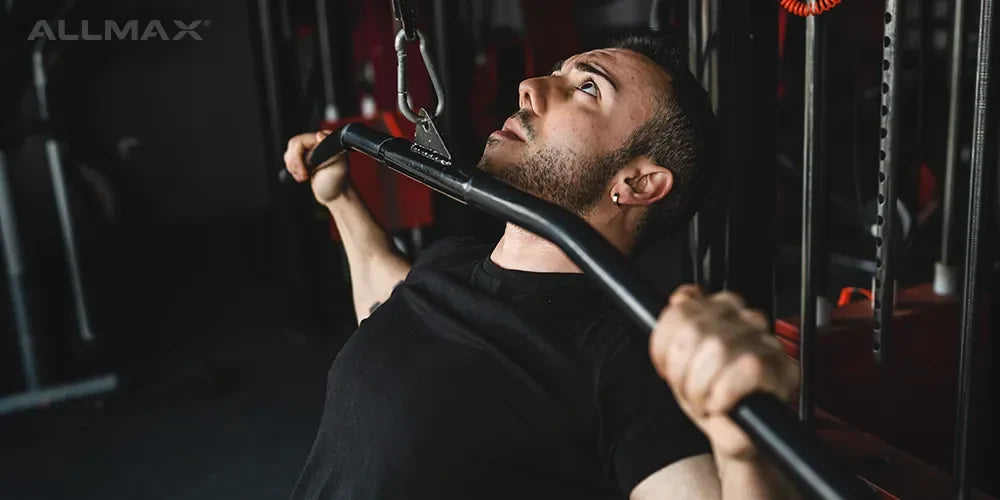
- Prioritize compound movements such as squats, deadlifts, presses, and rows
- Train with heavy loads
- Push sets toward muscular fatigue while maintaining proper form
This style of training places significant stress on the body—signaling the need for adaptation and recovery, which includes increased GH release.
GH Pulsatile Release & Training Frequency
Growth Hormone is released in pulses, not continuously. This has two critical implications:
- Higher fitness levels lead to stronger GH pulses
- Consistent training increases baseline GH production
Research shows that after as little as two weeks of regular resistance training, basal GH levels can increase by up to 37% compared to inactivity.
In short:
- Train consistently
- Train intensely
- Allow adequate recovery
Your body will respond hormonally.
Supplements That Support Growth Hormone Production
Supplementation plays a key role in supporting the body’s natural GH response—especially when paired with intense training and quality sleep.
BCAAs & Amino Acids
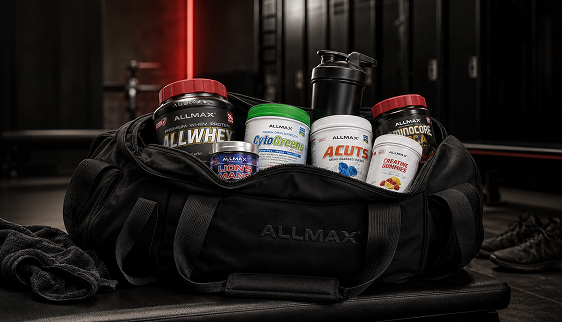
ALLMAX Nutrition’s AMINOCORE provides a rich amino acid profile that supports GH production. Amino acids such as:
- Arginine
- Lysine
- Ornithine
These amino acids are commonly recognized for their role in supporting GH release by stimulating the pituitary gland naturally.
AMINOCORE is ideal:
- Intra-workout to support performance
- Between meals to align with GH pulsatile release
-
During caloric restriction to preserve muscle mass
Post-Workout Nutrition & GH Support
To maintain an anabolic environment after training, protein intake is essential.
A fast-absorbing whey protein isolate, combined with rapid-digesting carbohydrates, provides the ideal post-workout foundation for recovery and growth.
Pairing ISOFLEX Whey Protein Isolate with Waxy Maize delivers:
- Rapid amino acid delivery
- Insulin support for nutrient uptake
- Enhanced muscle repair and growth signaling
This type of post-workout protocol works synergistically with GH activity to support the muscle-building process.
Additional Ways to Naturally Increase Growth Hormone
Sleep: The Ultimate GH Booster
Sleep is non-negotiable.
The largest pulses of Growth Hormone occur during deep sleep, making rest the final—and most critical—piece of the GH puzzle.
Aim for:
- 7–9 hours of uninterrupted sleep
- Consistent sleep and wake times
- A dark, cool sleeping environment
When you rest, you grow.

Clean Nutrition for Hormonal Health
Diet plays a major role in supporting GH levels:
Emphasize slow-digesting carbohydrates throughout the day
Use fast-digesting carbs post-workout
Consume lean protein at every meal
This nutritional structure supports stable blood sugar, efficient nutrient absorption, and a hormonal environment conducive to recovery and growth.
The Bottom Line for Growth & Recovery
Growth Hormone is one of the most powerful natural tools available to serious trainers.
To maximize GH naturally:
- Train hard and train heavy
- Prioritize compound movements
- Maintain consistent training frequency
- Sleep deeply and regularly
- Eat clean and time nutrients wisely
- Supplement strategically with amino acids and protein
When these elements work together, GH helps create an anabolic environment that supports muscle growth, fat loss, and recovery, allowing you to take your physique to the next level.
References
- Antonio J, Chromiak JA. Use of amino acids as growth hormone-releasing agents by athletes. Int J Appl Basic Nutr Sci. 2002.
- Jenkins PJ. Growth hormone and exercise. Clinical Endocrinology. 1999.
- Van Helder W, Radomski MW, Goode RC. Growth hormone responses during intermittent weight lifting exercise in men. Eur J Appl Physiol. 1984.