
Training for Lean Gains: High-Intensity Workouts & Essential Supplements
Sustained fat loss is one of the most powerful — and often underestimated — benefits of consistent, high-intensity resistance training. By exposing the body to regular bouts of demanding weight training, we stimulate muscle growth while simultaneously enhancing metabolic function. The result is a physique that is not only leaner and more visually impressive, but also healthier and better equipped to perform at a high level.
While all forms of resistance training improve body composition to some degree, certain training methods are far more effective at accelerating fat loss. Unfortunately, weight training is still commonly viewed as a muscle-building tool rather than a primary fat-loss driver. Instead, most people prioritize diet, supplements, and cardio — all of which are important, but insufficient on their own.
Without targeted resistance protocols, fat-loss results remain limited.
.High-energy resistance training has been shown to temporarily elevate metabolic rate, contributing to increased calorie expenditure after workouts. This post-exercise metabolic elevation — often referred to as the afterburn effect — makes resistance training one of the most powerful fat-loss tools available.
To reach truly lean levels of body fat, training, nutrition, hydration, and supplementation must work together. Below are five essential guidelines — along with methods to avoid — for achieving maximum leanness while maintaining muscularity.

Step 1: Rapid-Fire Output
Long rest periods dramatically reduce the fat-burning potential of a workout. Standing around between sets — whether socializing or waiting for equipment — limits caloric expenditure and reduces total training volume.
To maximize fat burning:
- Limit rest periods to 30–45 seconds between sets
- Short rest intervals may increase post-workout calorie expenditure compared to longer rest periods
- Reduced rest allows more total work to be performed in less time
While powerlifters may require longer recovery to move maximal loads, individuals pursuing lean mass should consider shortening rest periods by 60–70%.
Step 2: Increase Intensity Relentlessly
Training intensity naturally declines once comfort sets in. When workouts begin to feel manageable, fat-burning progress stalls.
Effective training should feel demanding — not comfortable.
To increase intensity:
- Shorten rest periods further
- Increase total training volume
- Incorporate drop sets, supersets, and giant sets
- Lift heavier when possible, even if reps drop to the 6–8 range
Increasing training load or volume can meaningfully raise total energy expenditure during and after training sessions, supporting fat-loss goals when paired with appropriate nutrition.
The goal is simple: maximize intensity and volume within a limited time frame.
Step 3: H₂O It — Hydration for Fat Loss
Hydration is one of the most overlooked fat-burning variables.
Adequate water intake supports:
- Nutrient transport
- Removal of metabolic waste
- Reduced bloating
- Normal fat metabolism
- Overall energy expenditure
Consuming 500 ml of water can increase calorie burning by 2–3% over the following 90 minutes, with cold water potentially amplifying this effect by increasing thermogenesis.
Hydration Guidelines
- Consume 500 ml of water before training
- Drink 500 ml or more during workouts
- Replace fluids lost through sweat and metabolism
Dehydration suppresses fat burning — especially during high-intensity training.
Step 4: Movement Selection Matters
Elite coaches often emphasize: train movements, not muscles.
For fat loss, the majority of training should focus on compound, multi-joint movements that recruit large muscle groups and maximize caloric expenditure.
Ideal movements include:
- Squats
- Deadlifts
- Bench presses
- Rows
- Pull-ups
Aim for 60–80% compound exercises in your program. While isolation movements have value, they burn fewer calories and should play a secondary role.
Cardio Considerations
Excessive cardio can lead to:
- Muscle loss
- Metabolic adaptation
- Reduced fat-loss efficiency
Start conservatively and build toward 2-3 HIIT sessions per week, each lasting around 15 to 25 minutes.
Step 5: Fuel Up Intelligently
Workout nutrition can make or break fat-loss results.
One common mistake is consuming simple carbohydrates before training. These spike blood sugar and insulin, which may temporarily reduce fat utilization when elevated at inappropriate times.
Avoid:
- Table sugar
- High-fructose corn syrup
- Sugary sports drinks
- Fruit juices
Instead, support training energy and fat loss with targeted supplementation.

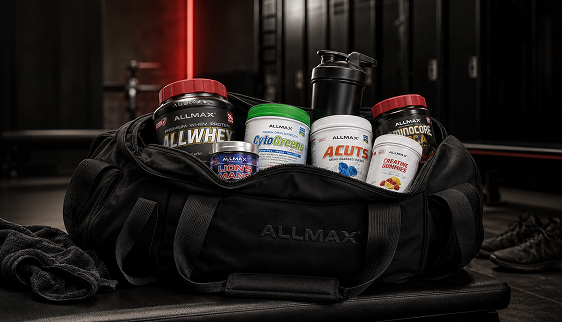
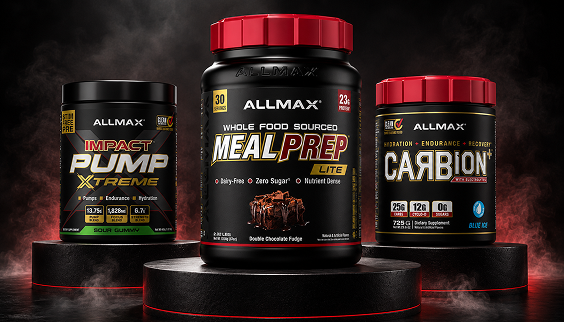
Training for Lean Gains: Essential Supplements
MealPrep Lite
MealPrep Lite simplifies nutrition while delivering complete, high-quality nourishment.
Key benefits:
- Complete nutrition from animal and plant proteins
- Low-glycemic carbohydrates from whole grains
- Abundant fruits, vegetables, and superfoods
- Dairy-free, soy-free, maltodextrin-free
Available in flexible calorie servings, MealPrep Lite ensures consistent nutrition without digestive burden — ideal for frequent training.
CLA
CLA 95® delivers targeted fatty acids designed to support body composition during fat-loss phases.
Benefits include:
-
Support for fat metabolism
-
Help with lean muscle preservation while dieting
-
Improved body composition over time
-
Non-stimulant support suitable for daily use
CLA works by supporting how the body stores and uses fat — making it an effective addition to calorie-controlled nutrition and consistent training.
ACUTS
ACUTS delivers clean, controlled energy designed to support fat-loss training and daily performance.
Benefits include:
-
Support for energy and mental focus
-
Assistance with fat-metabolism during training
-
Sustained stimulation without sharp crashes
-
Suitable for cardio, resistance training, or daily use
ACUTS helps maintain training intensity during calorie-restricted phases — a key factor in effective fat loss.
L-Carnitine Tartrate
L-Carnitine Tartrate supports fat metabolism by helping transport fatty acids to be used for energy during training.
Benefits include:
-
Support for fat utilization during exercise
-
Assistance with energy production at the cellular level
-
Support for endurance and training output
-
Helps preserve muscle glycogen during workouts
By supporting efficient fat transport, L-Carnitine Tartrate helps improve training efficiency — an important factor in sustainable fat loss.
RAPIDCUTS SHREDDED
RAPIDCUTS SHREDDED is a thermogenic formula designed to support fat metabolism, energy expenditure, and training intensity during cutting phases.
Benefits include:
-
Support for increased metabolic activity
-
Enhanced fat utilization as an energy source
-
Helps maintain training drive while dieting
-
Supports focus and workout intensity
By supporting metabolic output and training performance, RAPIDCUTS SHREDDED helps create the conditions needed for effective fat loss.
12-Week Lean Body Training Plan
Training Notes
- Rest ≤45 seconds between sets and supersets
- Rest 2 minutes between giant sets
- Train to failure on final reps
- DDS = Double Drop Sets
- SS = Supersets
- GS = Giant Sets
(Weekly training schedule preserved exactly as provided.)
Health Tip: Healthy Fats for Faster Fat Burning
Fat is not the enemy — the right fats enhance fat burning.
Healthy fats:
- Increase satiety
- Support hormone production
- Improve nutrient absorption
- Enhance metabolic efficiency
Aim for 20–25% of daily calories from sources such as:
- Avocados
- Nuts and seeds
- Fatty fish
- Coconut oil
Final Takeaway: Lean Gains Require Precision
Achieving elite leanness requires more than effort — it requires strategy.
By combining:
- High-intensity resistance training
- Intelligent rest and movement selection
- Proper hydration
- Targeted supplementation
You create an environment where fat loss accelerates and lean muscle thrives.
Train hard. Fuel smart. Recover completely.
References
- BCAAs Help Preserve Lean Mass During Cutting Journal Article (PMC) Branched-chain amino acid supplementation combined with resistance training maintains lean body mass during a caloric-restricted diet, supporting lean gains while dieting. Pmc.ncbi.nlm.nih.
- Thermogenic Supplementation and Fat Loss in Resistance-Trained Males: A Randomized Controlled Trial. Applied Sciences. Mdpi.com
- Achieving an Optimal Fat Loss Phase in Resistance-Trained Athletes: A Narrative Review — highlights the importance of strength training and nutrition strategy for fat loss. Mdpi.com
- HIIT & Resistance Exercise Affect Hormonal Control and Fat Oxidation Zhu X., Jiao J., Liu Y., et al. The release of lipolytic hormones during high-intensity interval and resistance training and their effects on fat loss. Journal of Sports Science and Medicine (2024). Jssm.org