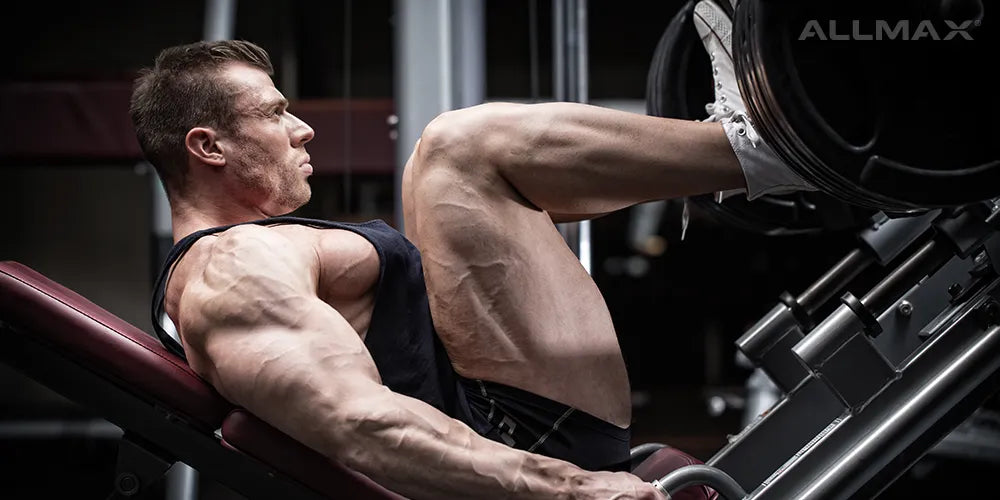
Muscle growth and fat loss, two essential factors for achieving a stage-ready, beach-worthy physique, depend largely on optimizing the two primary bodybuilding hormones: growth hormone (GH) and testosterone (T)¹. These two hormones are critical to dial down fat and build up muscle.
What Are Muscle Building Hormones and Why Are They Important?
Hormones are regulatory biochemicals produced by the endocrine glands and transported through the bloodstream to target organs2. They coordinate physiology and cellular behavior, influencing everything from appetite to stress responses. For bodybuilders and fitness enthusiasts, muscle-building hormones are essential for:
Ensuring productive workouts
Maximizing training results
Supporting recovery and muscle repair
Anabolic hormones play a critical role in muscle growth, protein synthesis, and muscle hypertrophy3. Key hormones for muscle growth include testosterone, IGF-1, growth hormone, and insulin. The balance and interaction of these hormones can either enhance muscle growth or lead to issues such as low energy, slowed metabolism, poor recovery, and reduced protein synthesis.
Anabolic responses to resistance exercise drive muscle hypertrophy and lean body mass gains. Resistance exercise is a potent stimulus for the release of anabolic hormones such as testosterone and growth hormone, and high-intensity, shorter workouts can produce a higher output of these hormones compared to longer sessions4. Optimizing anabolic responses is crucial for improving body composition and increasing lean body mass.
The interplay and constant fluctuations of the body’s hormonal balance can either support muscle building or lead to issues such as a sluggish metabolism, poor workout recovery, low energy levels, and reduced protein synthesis. While consuming ample protein and training intensely can help shape your physique, maximizing progress requires ensuring your hormone levels are optimized or managed when necessary.
#1: Testosterone

The king of all bodybuilding hormones is testosterone, the principal male hormone responsible for muscle size, strength, overall health and well-being3. Testosterone is primarily produced in the testicles (and ovaries in women). Also produced by women, though at levels 7–8 times lower than in men, testosterone is a key muscle-building hormone that should be maintained at the highest possible levels to ensure consistent results.
Because testosterone is essential for increasing protein synthesis to build more muscle at a faster rate, and considering its influence on keeping growth hormone levels sufficiently high to burn body fat, its depletion will significantly curtail our chances of gaining lean muscle mass.
Testosterone also supports:
Growth of many bodily tissues
Protein synthesis for faster muscle gains
Maintenance of high growth hormone levels to promote fat burning
Muscle strength
Bone mass
Fat distribution
Testosterone regulates muscle mass, strength, fat distribution, libido, and bone mass. Testosterone levels fluctuate and are a key factor in muscle growth, muscle strength, and adaptation to resistance exercise5.
To naturally boost testosterone and optimize muscle growth, consider:
Resting adequately between workouts
Training with heavy weights and low reps (6-8)
Limiting cardio and focusing on resistance training to help maintain higher testosterone levels
Increasing carbohydrate intake periodically (3 g per pound of body weight once per week)
Maintaining low body fat (~12% or lower)
Reducing alcohol consumption
Eating healthy fats and some saturated fats from red meat
Supplementing with natural testosterone boosters
Avoiding fasting or consistently low-calorie diets
#2: Growth Hormone (GH)
Human growth hormone, which stimulates growth, cell reproduction, and the release of insulin-like growth factor to enhance protein synthesis, plays a vital role in promoting fat loss and preventing muscle breakdown6. GH acts primarily through its receptor to stimulate IGF-1 production, which has both systemic and local effects on muscle growth and metabolism. As with testosterone, GH production is to be encouraged in healthy trainees. While dieting, many people lose muscle mass and body fat, a natural result of combining aerobic exercise with intensive weight training and a low-fat, low-calorie diet. A loss of muscle mass can lead to a reduced metabolic rate and decreased fat burning. It is therefore essential that we maintain muscle while getting lean, one of the toughest training dilemmas the natural bodybuilder will ever face.
Benefits of growth hormone include:
Supporting fat loss
Protecting muscle mass during dieting
Increasing metabolic rate
GH levels fluctuate during and after exercise, influencing muscle growth and repair. IGF-1 levels rise in response to increased GH levels, promoting muscle growth, enhancing endurance, and improving recovery4.
#3: Insulin
Unlike naturally released GH and testosterone, insulin is one hormone that has the potential for doing either great good or much harm. It must therefore be manipulated accordingly. Insulin, produced by the beta cells of the pancreas, is central to regulating carbohydrate and fat metabolism, plays a key role in regulating glucose levels, and can be released in excessive amounts at the wrong time. Insulin is responsible for storing nutrients in the muscles and liver2. If released excessively, it may promote fat storage. Used strategically, however, it can create an anabolic environment that boosts muscle growth and promotes fat loss.
In a calorie-controlled pre-contest diet, for example, low insulin levels at rest, between training sessions, and especially before bed, can support fat burning. On the other hand, higher insulin levels around training can promote the rapid uptake of amino acids and glycogen into the muscles, both essential for building size.
Insulin regulates carbohydrate and fat metabolism and glucose levels. Its effects depend on timing and amount:
Excessive insulin at rest can promote fat storage
Strategic insulin spikes around workouts increase muscle glycogen and amino acid uptake, enhancing growth
Insulin is an anabolic hormone that helps repair muscle tissue by moving amino acids into muscle cells
To optimize insulin for muscle building:
Consume 50 g of fast carbs before and 60-70 g after training (adjust for bodyweight)
Keep carbs moderate during the rest of the day to avoid fat gain
#4: Thyroid Hormone
Primarily responsible for regulating metabolism, the thyroid hormones triiodothyronine (T3) and thyroxine (T4) also support protein synthesis and fat loss7. A major problem with all calorie-restricted diets is the concomitant diminishing of thyroid hormone levels.
Low thyroid levels, common during calorie-restricted diets, can cause:
Reduced protein synthesis
Lower metabolism
Training plateaus
To improve thyroid function and to offset a reduction in thyroid hormone due to pre-contest dieting, do the following:
Eat foods rich in iodine (a substance which is necessary for the production of thyroid hormone): such as eggs, cow's milk, saltwater fish, seaweed, and shellfish
Incorporate periodic higher calorie days: to prevent your body from adjusting to constant low calorie eating, and to trick the thyroid into up-regulating to boost your metabolic rate, up the calories once every 8-10 days (on this day, three carbohydrate grams per pound of bodyweight may be eaten) and an additional 15-20 grams of fat may be consumed.
#5: Cortisol

While the stress hormone cortisol, a glucocorticoid steroid, may burn body fat, its effects are mostly negative1:
Suppresses the immune system
Causes muscle breakdown
Promotes fat gain
Leads to mood swings, fatigue, and insomnia
To reduce cortisol levels:
Minimize stress and avoid pointless, unnecessary arguments (easier said than done)
Introduce hobbies or activities that you find relaxing
Ensure that 2-3 post-workout meals per week are very high in simple sugars (e.g. rice cakes)
Reduce caffeine intake: 200mg of caffeine from a strong cup of coffee may increase blood cortisol levels by 30% in one hour!
Sleep more deeply and for longer - read more here!
Keep blood sugar stable
#6: Estrogen
Estrogen is a hormone produced mostly in females but also to a lesser degree in men (for sperm production and bone maintenance), and unfortunately, it runs counter to bodybuilding and fat loss success. However, estrogen also plays a role in skeletal muscle tissue by contributing to muscle repair and protecting tendons, which enhances musculoskeletal function8.
Men with a higher body fat percentage are also shown to have elevated estrogen levels. The testosterone-to-estrogen ratio can affect the way you look and feel. A superior ratio for maximal lean muscle gains would see testosterone production high and estrogen output at minimal levels.
How can we reduce estrogen?
Decrease body fat, as fat tissue increases levels of the enzyme aromatase, which converts testosterone into estrogen. The more body fat we have, the more aromatase we produce.
Consume a diet high in cruciferous vegetables such as broccoli, cauliflower, and cabbage. Indole compounds found in these foods may interfere with estrogen absorption and uptake into our bodily tissues.
Supplement with a natural aromatase inhibitor, such as diindolylmethane (DIM).
Limit alcohol consumption.
The Role of Insulin-Like Growth Factor (IGF) in Muscle Growth
Insulin-like growth factor 1 (IGF-1) is a powerhouse hormone when it comes to muscle growth and development6. Produced primarily in the liver in response to growth hormone (GH) stimulation, IGF-1 acts as a key mediator for many of the anabolic effects attributed to growth hormone. One of its most important roles is to regulate muscle protein synthesis, which is essential for building and repairing muscle tissue after intense workouts.
IGF-1 not only supports the creation of new muscle fibers but also encourages the growth and differentiation of muscle cells, leading to noticeable increases in muscle mass and strength. Its anti-catabolic properties help protect against muscle breakdown, making it a crucial factor in preventing muscle atrophy, especially during periods of intense training or calorie restriction.
Resistance training and a diet rich in protein and sufficient calories are proven ways to naturally boost IGF-1 production, supporting optimal muscle growth and recovery3. By prioritizing regular resistance training and proper nutrition, you can help maintain healthy IGF-1 levels, maximize muscle protein synthesis, and support ongoing muscle development. For those seeking to further optimize their muscle-building potential, understanding the role of IGF-1 and its relationship with growth hormone is key to unlocking greater gains.
Understanding Growth Hormone Deficiency and HGH Treatment
Growth hormone deficiency, sometimes called growth hormone deficiency syndrome, occurs when the pituitary gland fails to produce enough growth hormone (GH) to meet the body’s needs. This condition can affect both children and adults, with causes ranging from genetic factors and congenital disorders to brain injuries or tumors that impact the pituitary gland.
In children, growth hormone deficiency often results in short stature, poor growth, and delayed puberty. Adults may experience symptoms such as fatigue, increased body fat, decreased muscle mass, low bone density, and reduced quality of life. Without enough growth hormone, the body struggles to maintain healthy muscle mass and bone strength, which can lead to muscle pain, weakness, and a higher risk of fractures.
Human growth hormone (HGH) treatment is a common medical approach for addressing growth hormone deficiency. By administering synthetic growth hormone, HGH treatment can help stimulate growth and development in children, while in adults, it can improve muscle mass, bone density, and overall vitality. However, it’s important to be aware of potential side effects, which may include joint and muscle pain, carpal tunnel syndrome, and fluid retention. Because of these risks, anyone considering HGH treatment should work closely with a healthcare provider to monitor hormone levels and ensure the safest, most effective approach to managing growth hormone deficiency.
Supplements That May Support Hormonal Health
While nutrition, training, sleep, and stress management form the foundation of healthy hormone function, certain supplements may support (not replace or “fix”) these systems when used appropriately. It’s important to understand that no over-the-counter supplement can directly “correct” hormone levels in the way medical treatments can. Instead, these products may help support the body’s natural processes involved in hormone production, stress response, and recovery.
Individual responses to supplements can vary based on factors like age, training status, diet, sleep quality, and underlying health conditions. For this reason, supplements should be viewed as adjuncts to a well-rounded lifestyle, not as standalone solutions.
Common Supplement Categories
Testosterone Support Formulas
Products such as ALLMAX TestoFX Xtreme contain ingredients like fenugreek, Tongkat Ali extract, and Stinging Nettle extract. These nutrients are involved in normal testosterone production, particularly in individuals who may have dietary deficiencies. However, research suggests that their effects are generally modest and most noticeable in those with suboptimal baseline levels, not as a way to push testosterone beyond natural physiological ranges.
Niacin (Vitamin B3)
Niacin plays a role in energy metabolism and may influence certain metabolic pathways related to exercise performance. It should not be relied upon as a primary strategy for increasing growth hormone, however some foods, like mushrooms and anchovies, are high in niacin and can help bridge the gap.
Adaptogens (e.g., Ashwagandha)
Adaptogenic herbs may help the body better respond to physical and psychological stress. Some research suggests that ashwagandha may help reduce perceived stress and cortisol levels in certain populations, which can indirectly support recovery and overall hormonal balance.
Natural Aromatase Support Ingredients (e.g., DIM)
Compounds like diindolylmethane (DIM), found in cruciferous vegetables, are sometimes included in supplements aimed at supporting estrogen metabolism and how the body processes estrogen.
Important Considerations
Not a replacement for medical care: If you suspect a hormone imbalance (e.g., low testosterone, thyroid issues), proper testing and guidance from a qualified healthcare professional is essential.
Effects are context-dependent: Supplements tend to be most helpful when correcting deficiencies or supporting an already solid training and nutrition plan.
More is not better: Taking higher doses does not necessarily lead to better results and may increase the risk of side effects.
Consistency matters: Lifestyle habits such as resistance training, adequate calorie intake, sleep, and stress control have a far greater impact on hormones than any supplement alone.
Additional Tips to Optimize Muscle Building Hormones
Beyond focusing on individual hormones, your overall lifestyle and daily habits play a huge role in regulating your body’s hormonal balance. Underlying health conditions and other factors, such as lifestyle choices and external variables, can influence hormone production and muscle gain. Managing stress through relaxation techniques is important to maintain hormonal balance for muscle growth. Staying hydrated is essential for optimal hormone function and muscle growth. By making smart choices in training, nutrition, rest, and supplementation, you can optimize the environment for building muscle, burning fat, and enhancing recovery.
Lifestyle Habits That Support Hormone Balance
Prioritize quality sleep (7-9 hours)
Maintain a balanced diet rich in whole foods
Engage in regular physical activity, especially resistance exercise, to stimulate hormonal responses that promote muscle growth
Manage stress through relaxation techniques like meditation or yoga
Avoid overtraining and allow recovery days
Stay hydrated
Consider periodic blood tests to monitor hormone levels and assess body composition changes
Athletic Performance and Hormones
Hormones are at the heart of peak athletic performance, influencing everything from muscle growth and strength to energy levels and recovery. Key hormones such as testosterone, growth hormone, and insulin-like growth factor 1 (IGF-1) are essential for driving muscle protein synthesis, supporting muscle repair, and promoting muscle mass gains. Testosterone acts as a powerful anabolic hormone, while growth hormone and IGF-1 work together to stimulate muscle growth and enhance the body’s ability to recover from intense training.
Other hormones, including thyroid hormones and cortisol, also play significant roles in athletic performance. Thyroid hormones help regulate metabolism and energy production, while cortisol, when kept in balance, can aid in recovery but may hinder muscle growth if chronically elevated. Maintaining optimal hormone levels is crucial for athletes aiming to maximize muscle gain, improve endurance, and achieve superior physical performance.
Hormonal imbalances can lead to decreased muscle mass, reduced strength, and lower energy levels, all of which can negatively impact training outcomes. To support healthy hormonal levels, athletes should focus on a well-rounded approach that includes resistance training, balanced nutrition, adequate rest, and effective stress management. In some cases, medical treatment or hormone replacement therapy may be considered, but it’s essential to consult with a healthcare professional to weigh the benefits and risks. By understanding the role of key hormones in athletic performance, you can take proactive steps to optimize your training, recovery, and results.
Summary: Hormones Are the Foundation of Muscle Growth and Fat Loss
It takes more than heavy lifting and protein to build muscle. Your endocrine system, through muscle-building hormones, especially anabolic hormones, plays a vital role in creating an anabolic environment for consistent muscle growth and fat loss.
Anabolic hormones, such as testosterone and growth hormone, drive protein synthesis and hypertrophy, while hormonal balance is maintained through negative feedback loops that regulate hormone production in response to training and physiological needs. Ensure your testosterone, growth hormone, and thyroid hormone levels are optimized, while keeping estrogen and cortisol low and insulin balanced according to your training goals. Mastering this hormonal balance puts you well on the path to a powerful, lean, and stage-ready physique.
It's important to note that the use of synthetic HGH and testosterone is banned in competitive sports due to potential health risks and the unfair advantages they provide.
References
- Mayo Clinic. Chronic Stress Puts Your Health at Risk.
- Najjar, S. (2001). Insulin Action: Molecular Basis of Diabetes. Encyclopedia of Life Sciences.
- Phillips, S.M. (2014). A brief review of critical processes in exercise-induced muscular hypertrophy. Sports Medicine.
- Stokes, K.A., Tyler, C., & Gilbert, K.L. (2008). The growth hormone response to repeated bouts of sprint exercise with and without suppression of lipolysis in men. Journal of Applied Physiology, 104(3), 724–728.
- Handelsman, D.J. (2017). Testosterone and male aging: faltering hope for rejuvenation. Journal of the American Medical Association.
- Melmed, S. (2019). Pathogenesis and diagnosis of growth hormone deficiency. New England Journal of Medicine.
- Boron, W.F., & Boulpaep, E.L. (2003). Medical Physiology: A Cellular and Molecular Approach.
- Wiik, A., Ekman, M., Johansson, O., Jansson, E., & Esbjörnsson, M. (2009). Expression of both oestrogen receptor alpha and beta in human skeletal muscle tissue. Acta Physiologica.