
Introduction
Protein supplements for muscle recovery are essential for anyone looking to build muscle and improve performance. This article provides a comprehensive overview of why protein is crucial for muscle repair, growth, and overall athletic performance. Whether you’re an athlete, fitness enthusiast, or someone aiming to improve your physique, understanding the role of protein supplements can help you optimize your recovery and results. We’ll explore the science behind protein needs, compare different types of protein supplements, and explain why whey protein, especially an isolate like Isoflex, is the ultimate choice for muscle recovery. Protein supplements for muscle recovery are essential for anyone looking to build muscle and improve performance.
Why Is Protein So Important?
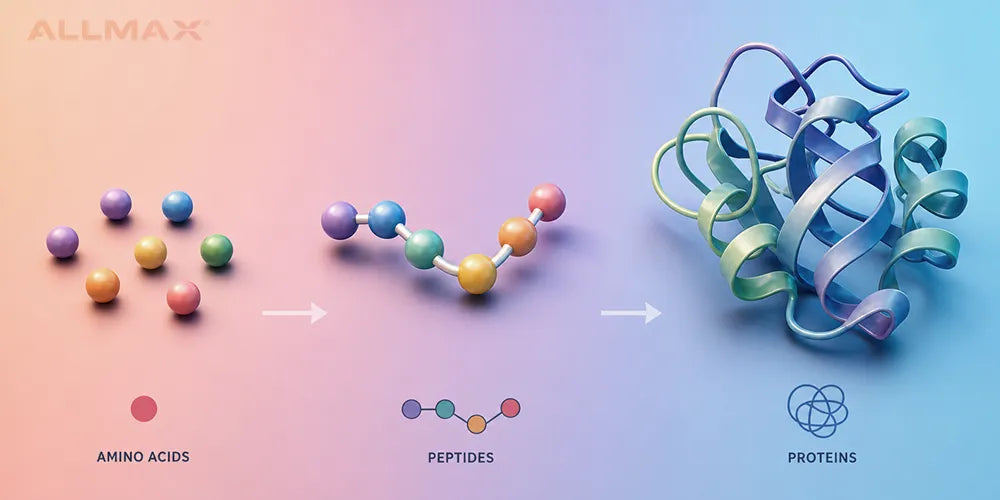
Protein is made of 20 amino acids, the building blocks your body uses for:
Muscle repair & growth
Repair and maintenance of muscle tissue
Immune function
Hormone production
pH regulation
Metabolic function & energy
Enzyme creation
Tissue and cell repair
While whole foods like chicken, eggs, and salmon are excellent sources, achieving optimal intake purely from food can be difficult - especially for athletes requiring 0.7-1.4g of protein per pound of bodyweight. The type of protein you consume can also impact nutrient absorption and the efficiency of muscle repair.
Unlike carbs and fats, your body can’t store protein, which means you must consume it consistently throughout the day. Regular protein intake supports overall recovery, benefiting not just muscle repair but also immune function and general wellness.
Now that we've covered why protein is essential, let's look at how much you need for optimal muscle recovery.

Calculating Protein Needs
Determining how much protein you need is a key step in supporting muscle recovery, muscle growth, and overall health - especially if you’re serious about achieving your fitness goals. Protein requirements aren’t one-size-fits-all; they depend on factors like age, sex, body weight, activity level, and overall health status.
Protein Intake Recommendations
For most healthy adults, the International Society of Sports Nutrition recommends a daily protein intake of 1.6–2.2 grams of protein per kilogram (0.7-1 gram of protein per pound) of body weight to maintain muscle health and support general health. If you’re regularly engaging in resistance training or intense physical activity, your protein needs may increase to 1.6–3.0 grams per kilogram (0.7-1.4 grams per pound). To calculate your daily protein intake, simply multiply your body weight in kilograms by the recommended grams of protein. For example, a 70 kg (154 lb) individual aiming for muscle growth would target between 112 and 210 grams of protein per day, depending on training intensity and goals.
Another way to estimate protein requirements is by looking at the percentage of daily calories from protein. For most people, 15–20% of total daily calories should come from high quality protein sources.
Protein Timing
Timing also plays a crucial role in maximizing the benefits of protein. Consuming protein within 1–3 hours after exercise, when muscle protein synthesis is elevated, can help support muscle repair and reduce muscle soreness. Spreading protein intake evenly across meals throughout the day, rather than consuming it all at once, helps maintain a positive nitrogen balance and supports ongoing muscle recovery and muscle function.
Protein Sources
When it comes to protein sources, animal proteins like whey, casein, and eggs are considered high quality due to their complete essential amino acid profiles and superior bioavailability. Protein-rich foods such as Greek yogurt, cottage cheese, lean meats, and fish are excellent choices for meeting daily protein needs. For those following plant-based diets, combining sources like pea, rice, and soy proteins ensures you get all essential amino acids necessary for muscle repair and muscle health.
High-quality protein sources include dairy foods, lean meats, poultry, fish, eggs, legumes, nuts, and seeds, which provide a well-balanced profile of amino acids necessary for muscle repair and growth.
Supplemental protein, such as whey protein powder, is a convenient and effective way to help meet your daily protein intake, especially for athletes or anyone with higher protein requirements. Whey protein is particularly valued for its high leucine content, which is key for stimulating muscle protein synthesis and supporting muscle recovery after resistance exercise.
Ultimately, your protein needs are unique. Consulting with a registered dietitian or nutrition expert can help you determine the optimal protein intake and sources for your body and fitness goals. By prioritizing high quality protein, timing your intake, and choosing the right protein sources, you’ll be well-equipped to build muscle, enhance recovery, and support your overall health.
Next, let’s compare the most popular types of protein supplements for muscle recovery.
Comparing Whey Protein to Other Protein Supplements for Muscle Recovery
Research indicates that consuming protein supplements, particularly those rich in essential amino acids like leucine, can stimulate muscle protein synthesis, which is crucial for muscle repair and growth after exercise.
Whey Protein: Whey protein is a fast-digesting protein source that is rich in leucine, making it an excellent choice for post-workout recovery. Its rapid absorption helps quickly deliver amino acids to muscles when they need it most.
Casein Protein: Casein protein forms a gel in the stomach, providing a sustained release of amino acids for several hours. This makes it ideal for nighttime recovery or periods when you may go longer without eating.
Plant-Based Proteins: Plant-based protein sources, such as soy, rice, and pea protein, may require larger volumes to meet protein intake goals compared to animal-based proteins, which can be more efficient in providing essential amino acids.
While all protein supplements can support muscle recovery, whey protein stands out for its rapid absorption and high leucine content, making it particularly effective for post-exercise muscle repair.
Now, let’s dive deeper into how whey protein specifically helps build muscle.

How Whey Protein Helps Build Muscle
Whey protein is considered the fastest-absorbing and most effective protein for activating muscle protein synthesis (MPS) - the process your body uses to build new muscle, support muscle hypertrophy, and increase muscle mass.
Muscle protein synthesis is the process by which the body repairs and builds new muscle tissue after exercise.
Here’s why whey stands out:
1. Rapid Digestion
Whey breaks down quickly into amino acids, sending them straight into the bloodstream for use in muscle repair.
2. Powerful BCAA Profile
Whey contains high levels of leucine, the key amino acid for turning on MPS. BCAAs (branched-chain amino acids), which include leucine, isoleucine, and valine, help mitigate muscle breakdown.
3. Supports Fat Loss
Protein increases thermogenesis (calorie burning), helping reduce body fat while building lean mass.
4. Enhances Recovery
Whey reduces muscle soreness, helps reduce muscle damage, shortens recovery time, and improves training frequency after intense exercise.
5. Prevents Muscle Breakdown
During tough workouts, your body fluctuates between anabolic (building) and catabolic (breaking down) states. Whey helps keep your body in muscle-building mode and protects against exercise-induced muscle damage.
Understanding the different types of whey protein can help you choose the best option for your recovery needs.
Types of Whey Protein - And Why Whey Isolate Is Superior
There are three main types of whey protein, each with different levels of purity and absorption.
Whey Concentrate
Around 70–80% protein
Contains fat, lactose, and carbs
Slower absorption
Good taste
Cheapest option
Not ideal for lactose-sensitive individuals
Whey Isolate
Up to 90% pure protein
Very low lactose
Fast absorption
Low calorie, low carb
Ideal for fat loss, lean muscle, and post-workout
Whey Hydrolysate
Pre-broken down protein (partially digested)
Extremely fast absorption
More expensive
Bitter taste
Often used for clinical or specialized nutrition purposes
For athletes and fitness-focused individuals, whey isolate is the sweet spot.
It's fast, clean, highly bioavailable, and ideal for muscle growth, making Allmax Isoflex the perfect choice.
Let’s explore why Isoflex stands out among whey protein isolates.
Why Allmax Isoflex Is the Superior Choice
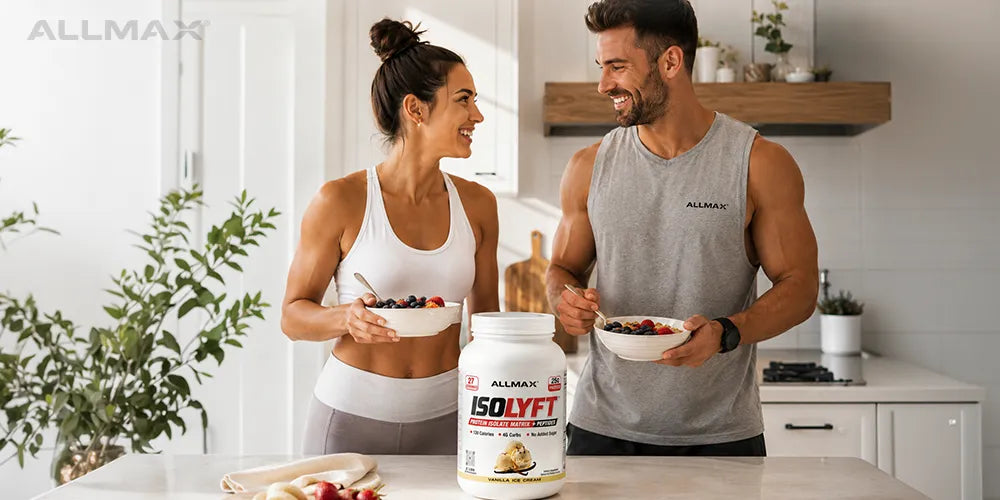
Isoflex is one of the cleanest, highest-quality whey protein isolates on the market, engineered to deliver beneficial effects for muscle recovery, reduced soreness, and enhanced performance:
Rapid Absorption for Faster Recovery: Isoflex is ultra-filtered for fast digestion and absorption, making it ideal for use as part of a post workout meal to maximize muscle recovery and nutrient uptake.
Delicious Flavors with No Added Junk: Enjoy a range of mouth-watering flavors with zero added sugar, fillers, or artificial dyes. Isoflex offers a taste experience comparable to flavoured milk, making it a palatable and convenient post-exercise recovery option.
1. 27g of Pure Protein Per 30g Scoop (90% Yield)
Most other brands don't even come close.
2. Virtually Zero Fat, Carbs, and Lactose
Ideal for cutting, lean muscle building, and digestion.
3. Rapid Absorption for Faster Recovery
The perfect protein for the post-workout anabolic window.
4. Ultra-Pure Filtration Technology
Cold temperature, HRI-enhanced purification removes everything except the highest-quality protein.
5. Trusted by Athletes for 20+ Years
Isoflex isn't just popular - it's a best-in-class protein in the fitness industry.
6. Delicious Flavors with No Added Junk
Professional-grade formulation with no fillers, no sugar, and no compromises.
Now, let’s take a closer look at how Isoflex can support your muscle recovery and performance goals.
Isoflex Product Spotlight
Key Benefits of Isoflex
Hit daily protein targets effortlessly
Maximize muscle protein synthesis
Improve recovery time
Build lean muscle
Support fat loss
Stay energized and satiated throughout the day
Enhance physical performance by supporting muscle recovery and growth with high-quality protein supplements
Using Isoflex for Recovery
Using protein supplements like Isoflex after exercise not only aids muscle repair but also helps reduce soreness and improve overall recovery outcomes. Failing to meet your protein needs (whether through supplements or diet) can lead to an increased risk of poor recovery, muscle loss, and longer downtime between workouts.
Isoflex is the #1 choice for athletes who expect more from their protein.
References
- Zelman, K. M. (2023, April 25). How much protein should you eat per day? Healthline.
- Zelman, K. M. (2023, May 12). 9 important functions of protein in your body. Healthline.
- Tipton KD, et al. (2007) Stimulation of net muscle protein synthesis by whey protein ingestion before and after exercise. American Journal of Physiology-Endocrinology and Metabolism, 292(1): E71-76.
- Antonio J, et al. (2017). International Society of Sports Nutrition position stand: Protein and exercise. Journal of the International Society of Sports Nutrition, 14(1), 20.
- Campbell B, et al. (2007). International Society of Sports Nutrition position stand: Protein and exercise. Journal of the International Society of Sports Nutrition, 4(1), 8.
- Jäger R, et al. (2017). International Society of Sports Nutrition position stand: Protein and exercise. Journal of the International Society of Sports Nutrition, 14(1), 20.
- Phillips SM et al. (2011). Dietary protein for athletes: From requirements to optimum adaptation. Journal of Sports Sciences, 29(sup1), S29–S38.
- Pasiakos SM, et al. (2015). The effects of protein supplements on muscle mass, strength, and aerobic and anaerobic power in healthy adults: A systematic review. Sports Medicine, 45(1), 111–131.