


Anna Kasztenny, MSc.
Anna holds a Master’s degree in Bio-Pharmaceutical Science and Business Studies and a Bachelor of Medical Science with an Honors Specialization in Pharmacology. Alongside her academic background, she is a competitive bodybuilder and strength athlete who holds three provincial powerlifting records. As a former competitive gymnast and varsity cheerleader, she is passionate about health, performance, and evidence-based wellness.
Is the grapefruit diet effective for weight loss or just another fad? Learn what science really says and how compounds like naringin (a bioflavonoid found in citrus fruits like grapefruits) fit into modern fat-loss strategies.
The Grapefruit Diet: Does It Really Work?
The grapefruit diet has been around for decades. First popularized in the 1940s, it promised fast weight loss by pairing grapefruit with protein-rich meals. Most versions were a short diet plan followed for 10 to 12 days, and the diet involves eating half a grapefruit before every meal, while some versions of the diet also included grapefruit juice. According to early claims, grapefruit contained a “magic” compound that could trigger fat burning.
As it turns out, the original diet wasn't magic at all.
Most people lost weight because the plan severely restricted calories, often to around 1,200 calories per day. The quick weight loss claims often promised up to 10 pounds in 12 days, but those results came from a low calorie intake rather than special fat burning enzymes. Much of the early weight loss came from water loss rather than true fat reduction. Once normal eating resumed, the weight typically returned, making it more like temporary weight loss and increasing the risk of regain when people went back to their usual eating plan. This quickly caused the grapefruit diet to fall out of favor as a long-term solution.
So does that mean grapefruit has no place in modern nutrition or fitness? Not exactly.
Where the Grapefruit Diet and Other Fad Diets Went Wrong—and What It Got Right
While the extreme version of the grapefruit diet isn't sustainable, grapefruit itself is one of the healthiest foods with real health benefits, and fresh grapefruit can support health as part of a healthy diet. Half a medium grapefruit has 37 calories and provides about 45 mg of vitamin C, 1.4 grams of fiber, and plenty of water, making it a healthy choice among fruits and vegetables in a balanced diet.
Over time, researchers became interested in why grapefruit seemed to help some people manage weight more easily when included in structured diets. This led to a closer look at one of grapefruit's natural compounds: naringin.

What Is Naringin in Grapefruit?
Naringin is a naturally occurring bioflavonoid found primarily in grapefruit. It's responsible for grapefruit's slightly bitter taste and contributes to its antioxidant profile.
Rather than acting as a “fat burner,” naringin is better understood as a compound that:
Supports metabolic processes1
Plays a role in how the body handles nutrients2
Helps maintain balanced blood sugar responses1
Contributes to feelings of fullness when combined with fiber-rich foods, and grapefruit helps mainly by increasing satiety, which may help you eat fewer calories3
Claims that naringin or grapefruit helps burn fat the way fad diets promise are not well supported, even though consuming grapefruit before meals is the pattern most often studied.
This reframing is important: naringin doesn't cause weight loss on its own or help you lose weight directly, but it may support dietary strategies aimed at better energy balance.
What Research Suggests (Without Overstating It)
Some early animal studies investigated the interaction between naringin and high-fat diets. In controlled laboratory settings, animals receiving naringin alongside high-calorie diets showed more favorable metabolic markers than those consuming high-fat diets alone4.
It's important to clarify:
These findings come primarily from animal research
Results do not translate directly to guaranteed fat loss in humans
They do, however, suggest that naringin plays a role in metabolic regulation
Human nutrition is far more complex than lab conditions, but these findings helped researchers understand why grapefruit became associated with weight-management diets. In human research, study participants who ate half a grapefruit before meals sometimes lost about 3.5 pounds over 12 weeks and may have felt less hungry5. Other trials reported averages closer to 15 pounds over 14 weeks among people who ate half, but there is still no clear evidence of significant weight loss beyond what calorie restriction alone would explain.
Grapefruit, Insulin Awareness, and Appetite Control
Grapefruit is:
Low on the glycemic index, which is one reason it has been studied for insulin sensitivity
High in water and fiber
Naturally filling for its low calorie content
These qualities help some people feel more satisfied with fewer calories when grapefruit is included as part of a balanced, protein-rich meal plan, including plans that specify what to eat on the grapefruit diet.
A 2006 study linked grapefruit intake with improved blood sugar levels5.
This explains why eating grapefruit before meals became popular during dieting: for fullness and blood sugar awareness, not because it works independently of other foods.
Naringin and Caffeine: A Supportive Combination
Another interesting aspect of naringin is how it interacts with caffeine.
Some research suggests naringin may help extend the duration of caffeine's effects in the body6. Caffeine itself is commonly used to support alertness, training intensity, and short-term energy expenditure.
When paired thoughtfully, caffeine and naringin may:
Support workout focus
Encourage consistent training effort
Complement calorie-controlled nutrition plans
Again, this isn't about magic, it's about synergy.
Where RapidCuts Shredded Fits In
Not everyone enjoys eating grapefruit daily, and for some people, its acidity can be hard on digestion. Others simply need a more convenient approach that fits into busy schedules.
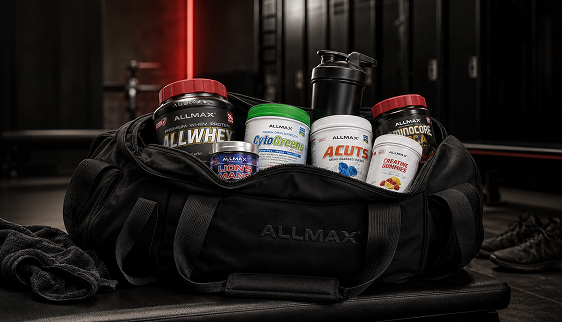
Allmax RapidCuts Shredded is designed to support modern fat-loss goals by combining:
Naringin
Carefully selected caffeine sources (Caffeine Anhydrous, Di-Caffeine Malate)
Ingredients chosen to support energy, focus, and appetite awareness, like Ashwagandha
Rather than relying on extreme diets, RapidCuts Shredded fits into a structured plan that includes:
Regular training
Adequate protein intake
Calorie awareness
Long-term consistency
It doesn't replace nutrition; it supports disciplined habits.
So… Myth or Magic?
The grapefruit diet, as originally promoted? Mostly myth, and one of many fad diets that may produce short-term results but are difficult to maintain long-term.
Grapefruit as part of a balanced, protein-rich diet? Practical and useful for some people. Most versions of the grapefruit diet are not a balanced diet and can crowd out other healthy foods.
Naringin as a supportive compound in modern supplements? Scientifically interesting and functionally relevant when used responsibly.
Fat loss still comes down to consistent habits, training, nutrition, and overall health. Health professionals generally favor sustainable changes built around regular meals, other fruits, vegetables, and other foods over restrictive plans.
Final Takeaway
There's no single food or supplement that guarantees weight loss. But compounds like naringin, when paired with proper training, nutrition, and smart supplementation, can support the process. Grapefruit also supports the immune system, but it can interact with certain medications, including statins and blood pressure drugs such as calcium channel blockers, so if you take certain medicines or are managing high cholesterol or blood pressure, speak with a healthcare professional before adding it regularly.
The grapefruit diet may not be back, but the science behind grapefruit has earned its place in modern, evidence-based fat-loss strategies.
Frequently Asked Questions
What is the main principle of the grapefruit diet?
The grapefruit diet involves eating half a grapefruit before each meal, combined with a low-calorie, protein-rich eating plan, often limiting total daily caloric intake.
Does grapefruit contain fat-burning enzymes?
No, the idea that grapefruit contains special enzymes to melt fat is a myth. Weight loss on the grapefruit diet primarily results from calorie restriction, not from any unique fat-burning properties of grapefruit.
Can the grapefruit diet help shed pounds quickly?
Some people may lose up to 10 pounds in 12 days on the grapefruit diet due to its severe calorie restriction. However, this rapid weight loss is often temporary, unhealthy, and not sustainable long-term.
Are there any health benefits to adding grapefruit to my diet?
Yes, grapefruit offers many health benefits, including being low in calories, high in vitamin C and fiber, and supporting blood sugar control and satiety when included as part of a balanced diet.
Is the grapefruit diet safe for everyone?
No, grapefruit can interact with certain medications, including statins and blood pressure drugs. It’s important to consult a healthcare provider or doctor before starting the diet, especially if you take medications.
How does grapefruit affect appetite and blood sugar?
Grapefruit is low on the glycemic index and high in fiber and water, which can help control blood sugar and increase feelings of fullness, potentially reducing overall calorie intake.
Can you drink grapefruit juice instead of eating grapefruit?
Grapefruit juice provides the same vitamins, minerals, and beneficial plant compounds found in grapefruit, but the fiber is lost during the juicing process. For that reason, eating the whole fruit is generally considered the more nutritious option.
What should I do if I want to lose weight safely?
Instead of restrictive fad diets, aim for sustainable lifestyle changes that include a balanced diet with fruits, green vegetables, lean proteins like chicken, cod, or ground turkey, adequate hydration, and regular exercise. Always consult your doctor or healthcare provider before starting any new diet.
References
Raja Kumar S, et al. Preventive Effect of Naringin on Metabolic Syndrome and Its Mechanism of Action: A Systematic Review. Evid Based Complement Alternat Med. 2019; 2019:9752826.
Yang Y, et al. Beneficial effects of citrus flavanones naringin and naringenin and their food sources on lipid metabolism: An update on bioavailability, pharmacokinetics, and mechanisms. J Nutr Biochem. 2022; 104:108967.
Bibi Marjan Razavi, Hossein Hosseinzadeh. Chapter 34 - A Review of the Effects of Citrus paradisi (Grapefruit) and Its Flavonoids, Naringin, and Naringenin in Metabolic Syndrome, Bioactive Food as Dietary Interventions for Diabetes (Second Edition). Academic Press (2019), p.515-543.
Rajadurai M, Prince PS. Naringin ameliorates mitochondrial lipid peroxides, antioxidants and lipids in isoproterenol-induced myocardial infarction in Wistar rats. Phytother Res. 2009; 23(3):358-62.
Fujioka K, et al. The effects of grapefruit on weight and insulin resistance: relationship to the metabolic syndrome. J Med Food. 2006; 9(1):49-54.
Fuhr U, et al. Inhibitory effect of grapefruit juice and its bitter principal, naringenin, on CYP1A2 dependent metabolism of caffeine in man. Br J Clin Pharmacol. 1993; 35(4):431-6.